
We’re less than six weeks away from Selection Sunday, with a number of teams almost guaranteed to make the NCAA Tournament. But among those contenders, there are still some questions and/or concerns when it comes to March Madness.
For this piece, I’ll be focusing on 10 players under most pressure to get it going, as their respective teams are counting on them to play well when it matters the most. To qualify, they must be on a top 20 team from the latest AP top 25 ranking.
1. Fletcher Loyer – Purdue Boilermakers
2025-26: 13.2 points, 1.7 assists
A three-loss skid has dropped the Boilermakers to fifth place in the Big Ten, something few expected heading into the season. One player who struggled in that stretch was Loyer, a 6-foot-4 senior guard who combined to produce 19 points on just 6 of 25 shooting from the field. In league play, Loyer is shooting under 40 percent overall. For Purdue to be a true Final Four contender, it will need Loyer to be an efficient scorer. We’ll see if the 29-point effort against Maryland last weekend was a blip or a sign of a turnaround.
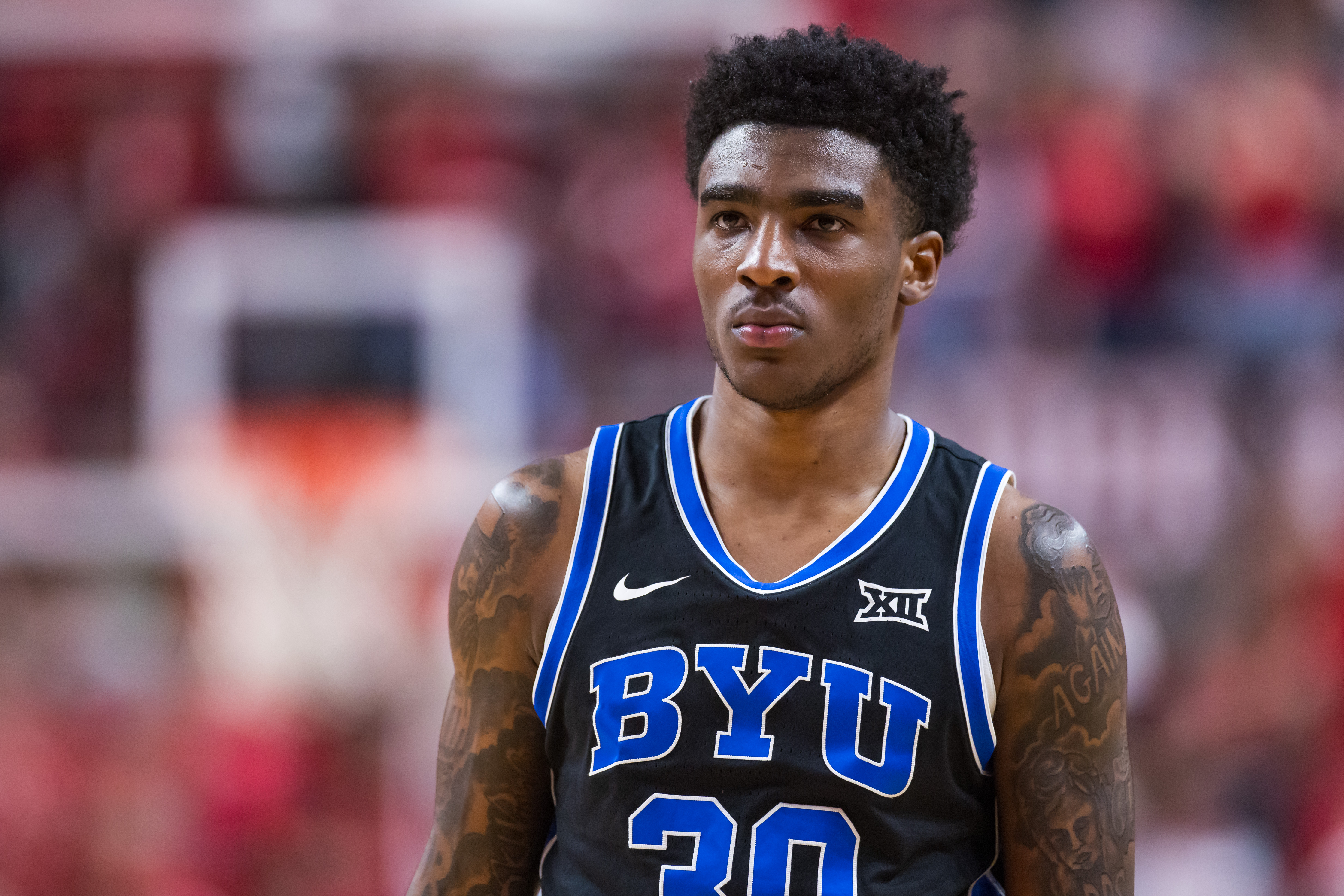
2. Kennard Davis – BYU Cougars
2025-26: 6.9 points, 2.4 rebounds
BYU has one of the best trios of players in the nation in AJ Dybantsa, Robert Wright and Richie Saunders. However, no one else averages more than seven points, and considering that they’ve lost all of their toughest games to date, it’s clear the Cougars need to find more production somewhere. One player to watch is Davis, a 6-foot-6 junior guard who has started 18 games, shooting just 36 percent from the field and 30 percent from deep. It drops to 29 percent from the field in Big 12 play, with a 15-point game against Arizona being an exception. If Davis can be a double-digit scorer, the Cougars would be a bigger threat in the Big 12 and beyond.
3. Berke Buyuktuncel – Nebraska Cornhuskers
2025-26: 7.1 points, 6.1 rebounds
Nebraska has been one of the biggest team surprises of the season, thanks to a quality defense and potent three-point shooting attack. One of the few players who doesn’t shoot much is Buyuktuncel, a 6-foot-9 junior forward who starts each game in the frontcourt and leads the team in rebounding. However, his struggles against quality frontcourts, including in the recent losses to Michigan and Illinois, were notable. The Cornhuskers don’t have a ton of size inside so there’s a big need for Buyuktuncel to have a consistent impact for them to make history in March.
4. Anthony Dell’Orso – Arizona Wildcats
2025-26: 8.2 points, 2.5 assists
As the undefeated No. 1 team in the country, it’s hard to find fault with this Arizona roster. But one area that could come back to haunt them is the three-point line, as the Wildcats rank at the very bottom in three-point attempts a game. One of the two Wildcats who attempts more than three triples a game is Dell’Orso, a 6-foot-6 senior guard. However, the sixth man is shooting 37 percent from the field and under 30 percent from three-point range, with the numbers even lower in Big 12 play. As great as the freshmen have been for the Wildcats, they’ll need Dell’Orso’s shooting when March gets here.
5. LeJuan Watts – Texas Tech Red Raiders
2025-26: 12.7 points, 6.2 rebounds, 2.7 assists
It’s hard to find a better duo than JT Toppin and Christian Anderson, who combine to average more than 40 points, 14 rebounds and nine assists. But who is the third guy for the Red Raiders? Watts, a 6-foot-6 junior wing, has shown he can be that guy at times, including scoring 19 points against Kansas on Monday. However, he’s also shooting under 36 percent from the field in Big 12 play, including an 0 for 8 shooting display in a loss to Houston. He’s also the guy who dropped 36 points against Northern Colorado. Consistency will be key for Watts.
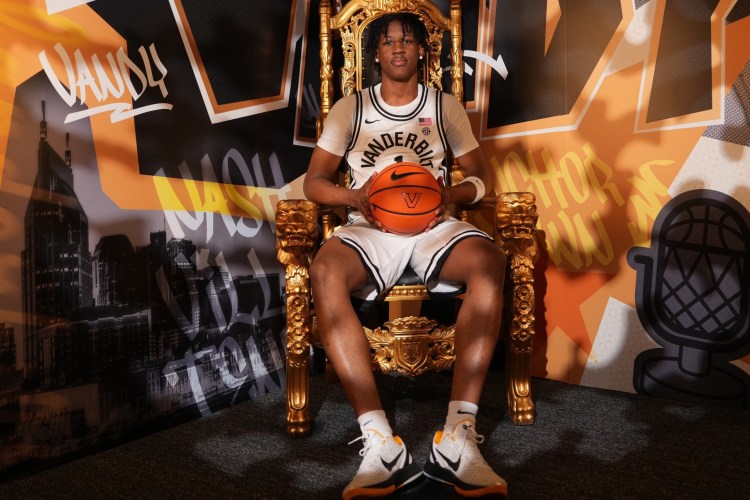
6. Duke Miles – Vanderbilt Commodores
2025-26: 16.6 points, 4.3 assists
The 6-foot-2 senior guard has been one of the biggest impact transfers so far, nearly doubling his scoring production from a year ago at Oklahoma. However, his efficiency, which was a big strength for Miles last year, has been an issue. In SEC play, Miles is shooting 39 percent from the field and just 31 percent from deep, including a 13 of 38 (34 percent) shooting split in the Commodores’ recent three-game skid. The senior is one of the biggest X-factors among the top teams.

7. Adam Miller – Gonzaga Bulldogs
2025-26: 7.2 points, 1.8 rebounds
With star 6-foot-10 junior forward Braden Huff (17.8 points per game) out indefinitely with a knee injury, there was a chance for Gonzaga to take a step back. But sporting a 22-1 overall record and coming off a win over WCC rival Saint Mary’s, this team still has a chance to make a deep run in March. But star center Graham Ike (18.7 points per game) can’t do it all. Among the supporting cast who can step up is Miller, a 6-foot-3 senior guard who is averaging just five points per game in league play, shooting 30 percent from the field overall. Miller is someone who can knock down shots for the Bulldogs, but with two recent scoreless outings, there’s big concerns as to whether Miller can remain a key part of the rotation.
8. Xaivian Lee – Florida Gators
2025-26: 10.7 points, 4.0 rebounds, 3.4 assists
To the 6-foot-3 senior guard’s credit, Lee has bounced back from a rough start to the season. However, SEC play has been difficult for Lee as of late, scoring 7 points or fewer in each of the last four games. It’s clear that Florida has one of the best frontcourts in the nation, capable of taking them back to the Final Four. The backcourt, including Lee, will need to do its part in the postseason to make another run.
9. Derek Dixon – North Carolina Tar Heels
2025-26: 5.7 points, 2.3 assists
There’s been a change at the PG spot, with Dixon now taking most of the minutes there. . While the 6-foot-5 freshman guard is shooting better than 36 percent from deep, he’s only at 33 percent from the field overall, including a 1 of 7 performance against Georgia Tech. UNC has one of the best frontcourt duos in the nation but needs the guards to step up, including the emerging Dixon.
10. Divine Ugochukwu – Michigan State Spartans
2025-26: 5.2 points, 1.6 assists per game
Michigan State has a quality frontcourt, an elite passing point guard, and a defense which ranks among the best in the nation. But shooting and consistent offense from the perimeter has been a weakness against the top teams. Ugochukwu is a 6-foot-3 sophomore guard who actually has shot better since the start of league play at nearly 55 percent from the field. His issue has been the lack of volume — he hasn’t had a double-digit scoring outing in the Big Ten since his 23-point display against Penn State. If Ugochukwu can emerge into a scoring threat on a larger scale, the Spartans have a chance to go back to the Elite Eight, and potentially further.
Meet your guide