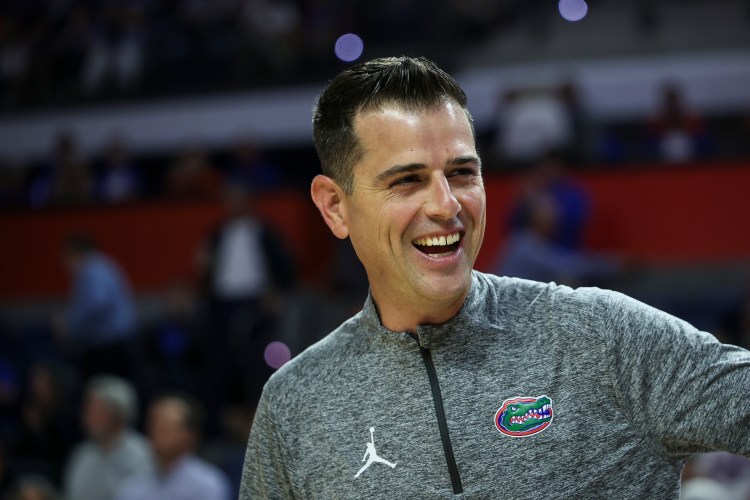
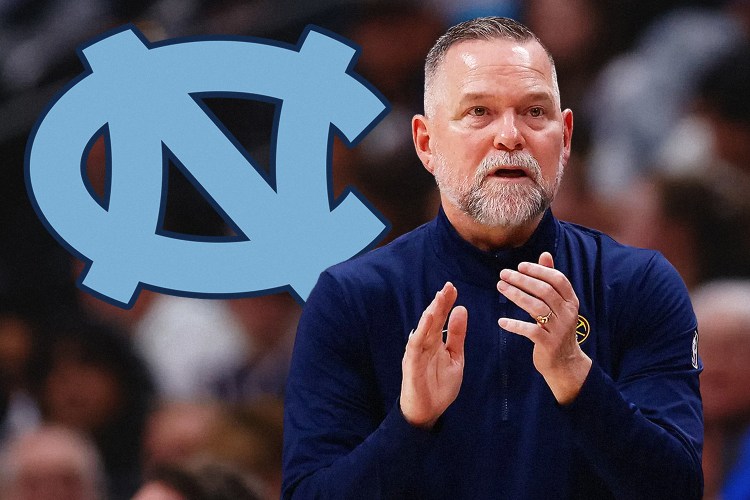
Coaches have no one to blame but themselves for messing with the chemistry and morale of their rosters and locker rooms by assuming Class of 2026 players would be eligible for a fifth year.
The Tenth Circuit’s decision late Friday to issue a stay in a Colorado federal district court by a judge in the Wisne case means the age-based eligibility rules are upheld. For now, anyway. So all of the players who were tied to this case — and there were plenty of high-profile examples like Seth Trimble at Louisville, who is trying to transfer from North Carolina — are no longer eligible unless they win their appeals.
Players who attached themselves to the case in the Ohio Court of Appeals who initially got an injunction are also ineligible because that stay was approved in the NCAA’s favor.
The NCAA will now turn its attention to state level cases in Louisiana, North Carolina and California/Nevada.
What were the coaches, and for that matter, their administrations, thinking? Why did they think it made sense to take a player in August who was only eligible temporarily based on an injunction?
Why would they mess with the rotations that were worked on during the summer? Why would they run the risk of disrupting the critical building blocks of summer-time bonding?
Why didn’t the legal counsel at each of these institutions advise these coaches, a number of whom are Hall of Fame, Final Four and national-title coaches, against taking this risk?
No one made Pat Kelsey, Rick Barnes, Mark Few, Kelvin Sampson, Kevin Young, Scott Drew, Josh Pastner, Michael Malone, Tommy Lloyd or Grant McCasland do this.
McCasland’s roster completely changed with the potential addition of fifth-year stars Darrion Williams, Donovan Atwell and Jamichael Stillwell in a matter of weeks.
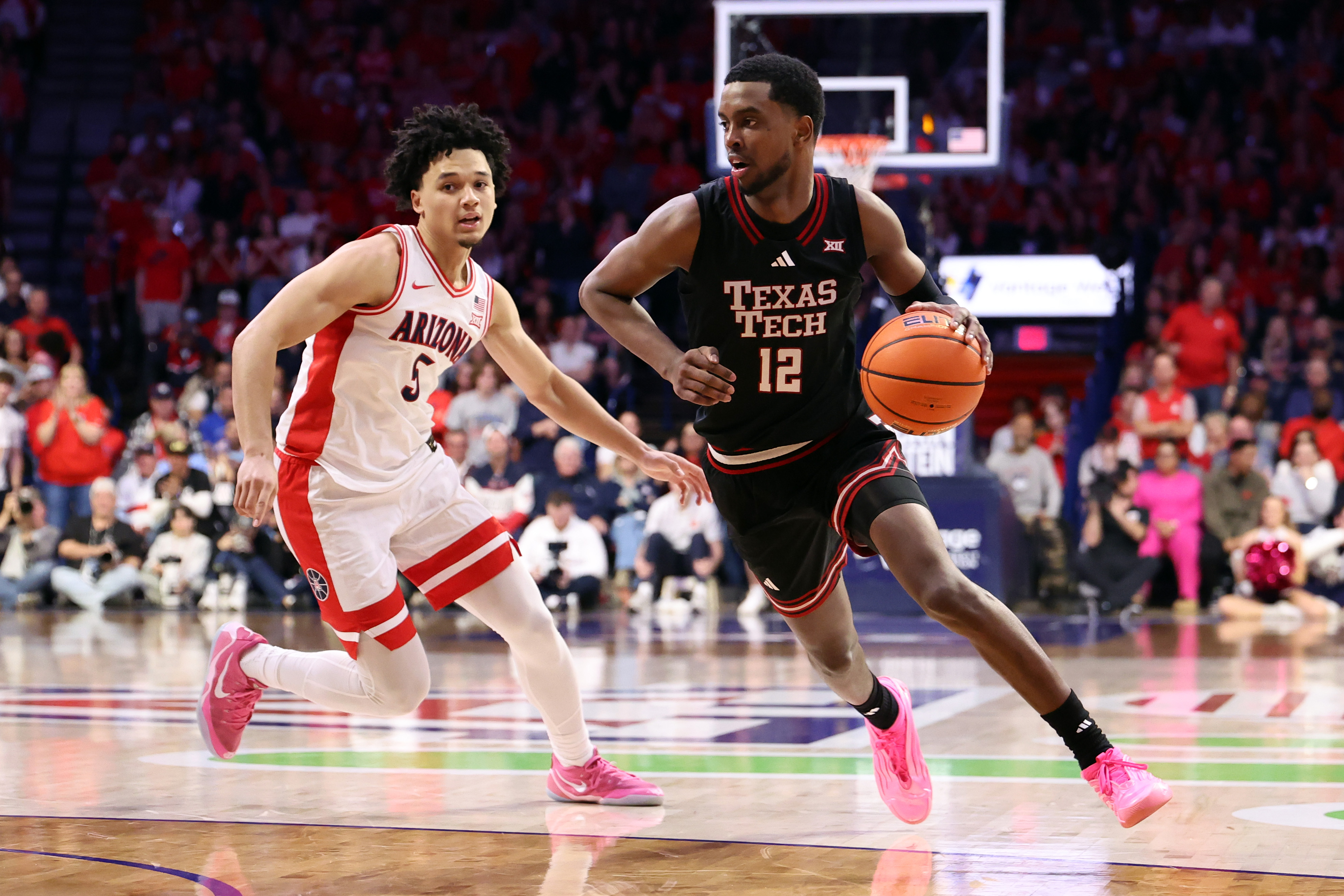
And now? He could be back figuring out rotations without these players. Was it worth it to go through this faux roster and dream of what could be when there was no guarantee that any of the three would be eligible?
The NCAA adopted the new legislation of five continuous years to play up to five seasons, beginning officially with players who enroll in college in the fall of 2027. But current eligible players for 2026-27 can get a fifth season of competition if they so desire.
A number of athletes wanted back in and are seeking legal help to do so.
They sought injunctions in six states — Colorado, Louisiana, Ohio, North Carolina, California and Nevada — where players have attached themselves to injunctions to play. The Colorado case is a federal case while the others are at the state level.
Some of these courts were trying to change NCAA portal rules, too, allowing these players who are in these cases to subvert the portal. The portal closed for men’s basketball on April 21 after a 14-day post-Final Four window, while the women’s basketball portal closed on April 20, following a 15-day post-Final Four window.
Football closed on Jan. 16 and yet there are some football players who may get cut at the end of August from NFL training camps and then try to suddenly get back on college campuses.
Now, I don’t blame the players for trying to get paid one more time if they can’t make it in the NBA, the WNBA or the NFL. But there has to be someone to take them at this late stage.
And that’s where the coaches and the schools come into play.
These justices around the country aren’t making decisions on settled law. They are challenging the NCAA rules and essentially copying each other.
Now, could the NCAA and oversight committees make life easier on themselves if they didn’t adopt this rule until the fall when the fall semester or quarter had begun? Of course. But the committee hoped that once the rosters were set after the NBA Draft withdrawal date that schools wouldn’t go down this road of adding players late in the summer.
Is The NCAA’s Legal Tide Starting to Turn?
The NCAA suffered a string of losses in state courts, but recent wins plus strong actions by conferences are putting college sports on firmer ground
Surely if a coach had worked all summer with his roster, developed a rotation and created a trusting relationship, he wouldn’t suddenly toss that aside to just grab a possible replacement. Right?
There was no retroactive eligibility attached to the new legislation. There were no ways to grandfather in players.
The intent of doing this legislation in the spring was to protect the current and incoming players.
And yet these schools were assuming a huge amount of risk by taking players who may not be able to play and, in the process, disregarding and recruiting over their current rosters in late August.
What does that do for morale?
How can coaches plan their season when they don’t know if a player they just took only because of an injunction will be able to play?
And what about the money?
Why would a coach/school invest in a player coming in August who may not be eligible? Why would the school deal with that headache? Surely, the contracts must have had outs if the player didn’t get eligible. But does that mean the player still got paid for a few weeks in August? Make it make sense!
UConn coach Dan Hurley has been the most sane voice during this process. He told reporters last week that after practicing all summer with their rosters, it’s not feasible to pivot to “let’s unleash 80 players in the sport the first week of August. We can’t go on like this. No other sport is going on like this.’’
Let’s be honest here, if there wasn’t money available, these players wouldn’t be rushing back to college in late August after exhausting their eligibility and moving on with their lives last spring.
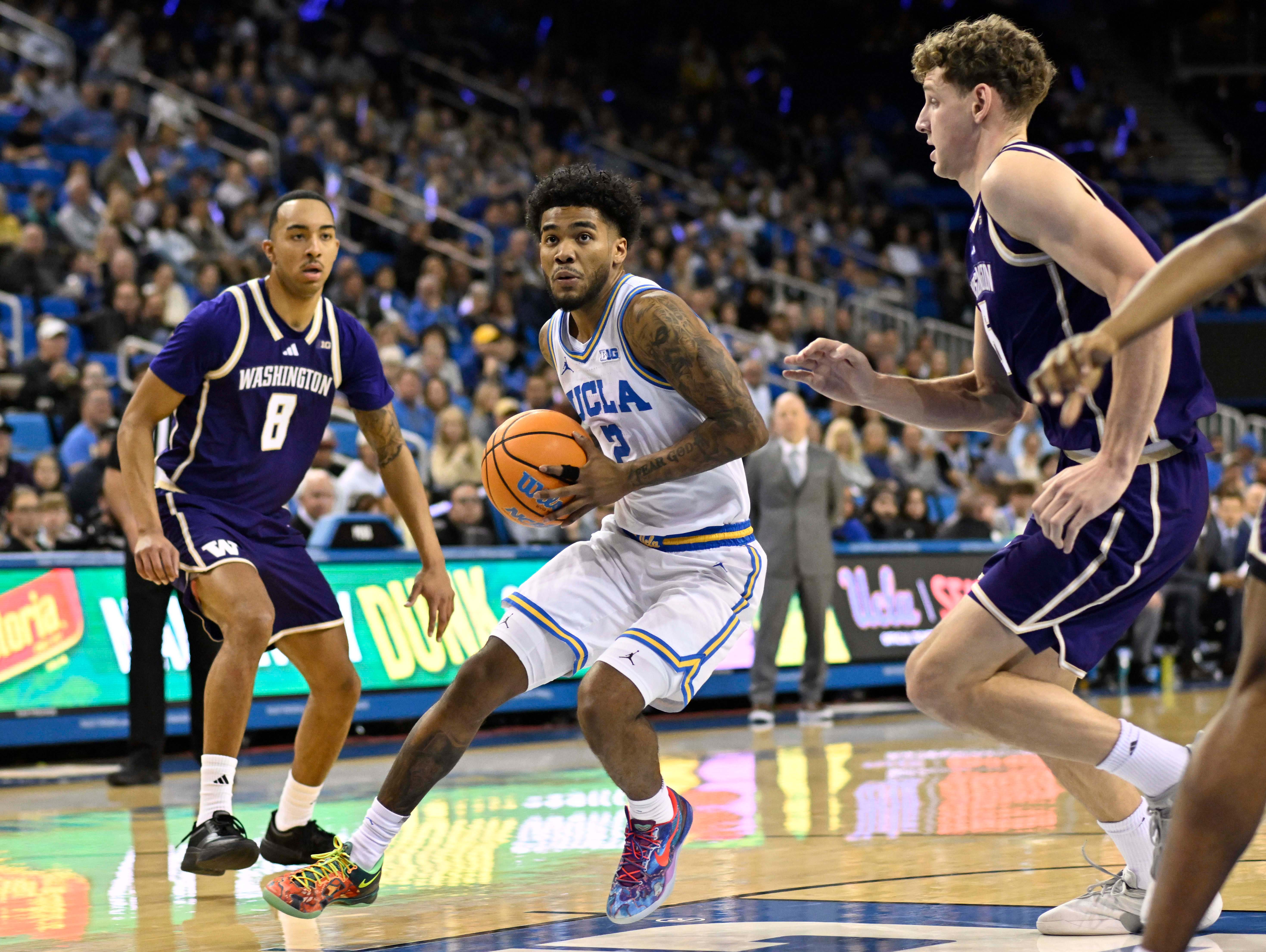
Donovan Dent even announced he was done playing basketball and was going to work and develop youth basketball players in Albuquerque. But once the rule change was announced in June he was ready to jump into the portal after finishing his career at UCLA.
Late Friday, he announced on his Instagram he was going to LSU, but of course this is only because of a temporary restraining order in the California case. So, the Tigers and coach Will Wade will have to see if he really plays or not. Why go through this chaos for a maybe?
Michigan State coach Tom Izzo is doing the right thing. He’s not going to bounce a player he recruited and committed to just so he can bring back Jaxon Kohler. Kohler is one of many players taking the gamble that he will be eligible for a fifth year. He is committed to play for BYU instead of going back to MSU for his fifth season.
“I’ve recruited guys for those positions,’’ Izzo told CBS Sports this month. “I can’t bring another guy in but a lot of (coaches) will.”
He’s right. A lot of coaches are doing this and it’s not a good look.
If all of the state injunctions get overturned and these players aren’t eligible then all of the damage caused on these rosters will likely affect the season ahead.
And the programs that get burned by flirting with these players and disrupting their rosters will only have themselves to blame.
Meet your guide