
As the Protect College Sports Act nears passage in the U.S. Senate this week, the most consistent criticism from opponents is that student-athletes did not have a say in crafting it. That is not completely true as I’ll explain in a minute, but it also misses the more important point that the PCSA is actually a really good deal for the people who play college sports. It’s hard to imagine that more involvement would have produced a better outcome.
The main thing people dislike about the PCSA is that it caps the amount of money that schools can pay their student-athletes. That is true, but this ignores the fact that there is already a revenue sharing cap in place courtesy of the settlement in the landmark House v. NCAA case. As a result of that agreement, schools are permitted to share up to $20.5 million with athletes. That number was agreed upon because when it’s combined with other financial benefits like scholarships, housing and food, it amounts to a 50/50 split between schools and athletes —which is in line with most Collective Bargaining Agreeents in professional leagues.
The House settlement did not, however, put any limits on the amount of money an athletes can make by leveraging their Name, Image and Likeness. Nor does the PCSA. The only caveat is that the NCAA would be allowed to regulate those deals to make sure they were actual NIL arrangements, as opposed to thinly-veiled recruiting enticements from boosters.
In other words, the House settlement replaced a system where athletes did not get to share any revenue to one where they get $20.5 million. A massive improvement, to say the least. And unlike the PCSA, the House settlement was negotiated on the players’ behalf by lawyers who represented the plaintiff class. That’s why I say it’s not completely true to assert that players didn’t have a say in writing the PCSA, because the PCSA keeps the basic House structure in place.
Here’s the best part for the athletes: The PCSA more than doubles the amount of revenue that schools can share. It gives the schools permission to spend another $22.5 million on retaining players who are already on campus. Another $5 million is earmarked for non-revenue sports. In other words, within a few years, athletes went from getting nothing to getting $20.5 million and now $50 million. Pretty good progress in three years’ time, I’d say.
There are also some additional protections in the PCSA for student-athletes. The bill asserts that scholarships can’t be canceled due to performance, that schools must provide degree completion assistance for 10 years, plus five years of medical coverage post-eligibility. The PCSA also requires the NCAA to give one-thirds of its voting membership on governing boards to athletes, and dictates that schools may not eliminate non-revenue programs for the next nine years.
Here’s another bone Congress is throwing the athletes: A cap of five percent for NIL agents. Though agents who negotiate pro contracts between players and teams normally charge three to five percent commission, marketing agents usually get 15 to 20 percent. If college athletes don’t want to pay that much, they’re free to shop for an agent who will charge less. But under the PCSA they wouldn’t have to because the market would be artificially tilted in their favor.
What did the NCAA get in return for all of this? Certainly not the sweeping antitrust exemption it has long been lobbying for. But it will be allowed to put the transfer horse back in the barn by allowing players to switch schools just once without having to sit out a year. The NCAA would also be able to implement common sense eligibility standards like the recently passed five-in-five rule, and it would get limited antitrust exemption to regulate NIL deals via the Collegiate Sports Commision as laid out in the House settlement.
In an ideal world, Congress would have stopped there. Instead, it set out to do what no one was asking it to do, which is micromanage the financial structure of college sports. That is ironic given that the bill is mostly backed by Republicans who typically see any government interference into private markets as anathema. But those provisions are mostly aimed at conference makeup and realignment, not how schools may compensate their athletes.
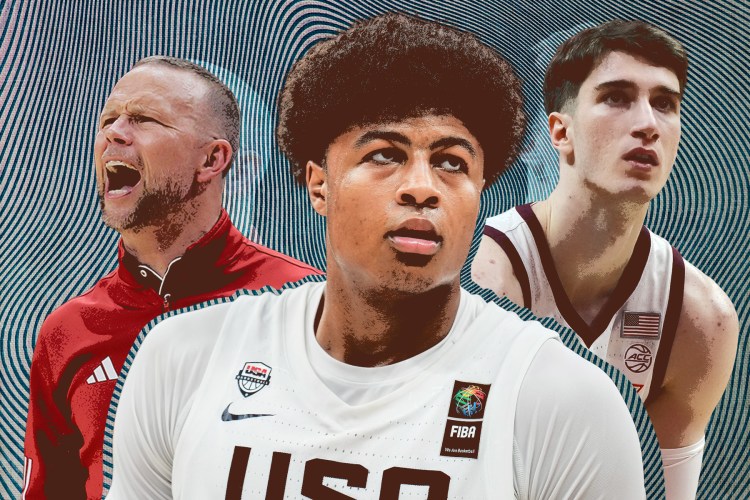
It doesn’t help that proponents of this bill have done a very poor job making their case. The most obvious mistake was the exclusion of student-athletes from the public campaign. Sure, they sat on a few committees behind the scenes, but if you’re trying to sway the masses, you don’t do it by using multimillionaire coaches like Nick Saban, Deion Sanders and John Calipari. You do it with student-athletes. Yet until the last few days, they have been largely invisible.
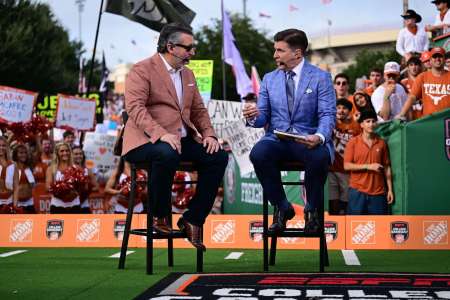
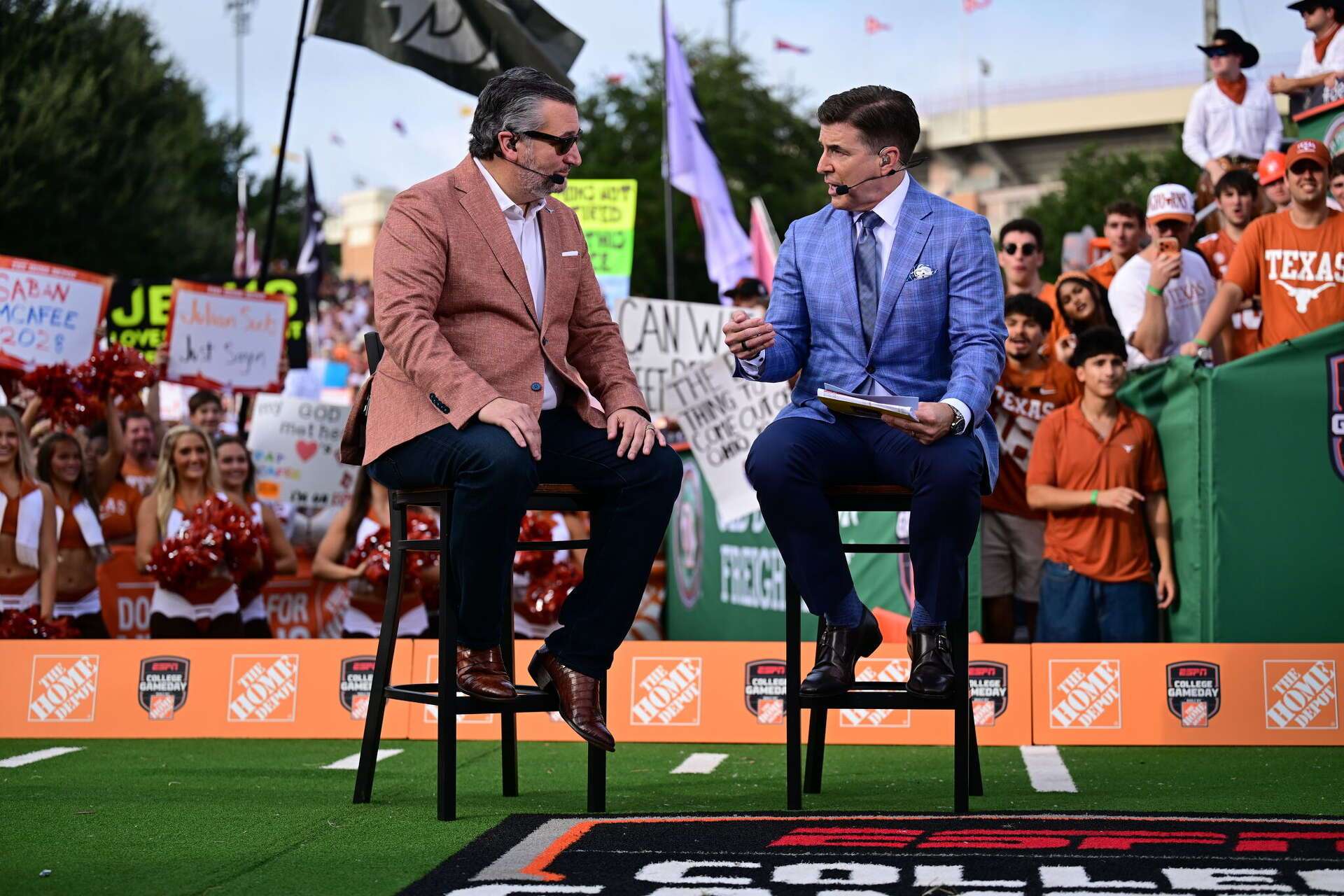
Even worse is the alarmist language proponents are using. Sen. Ted Cruz of Texas, who is co-sponsoring the bill, claimed on ESPN’s College GameDay that “if Congress does nothing, within a few years, we will see hundreds of thousands of scholarship slots and roster slots go away for young kids. Many of them young African-American and Hispanic kids who would not otherwise have a chance of getting to college.” He also said during an event on Capitol Hill that the bill “cracks down on a booster in a back alley with a bag of cash.” Both claims are preposterous.
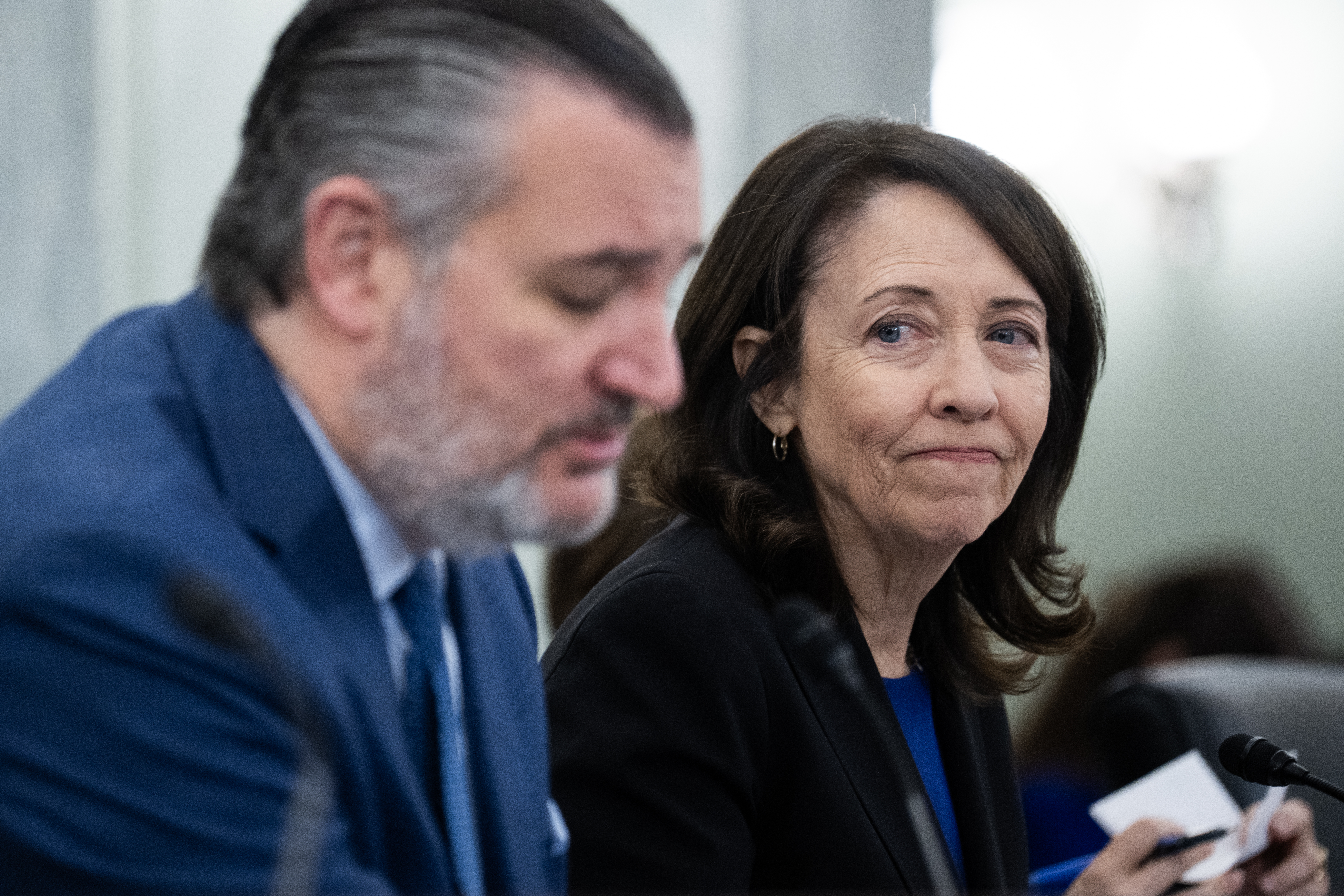
Cruz’s co-sponsor, Sen. Maria Cantwell of Washington, did no better by stating, “There is going to be a moment where the United States is standing at the Olympics, and we’re not winning gold or silver or bronze because we’re not going to have the athletes. Because the system will have collapsed.” Sen. Cantwell provided no evidence to back up this claim. In fact, by the NCAA’s own calculations, schools have added 151 programs since 2021, and roster spots have increased from 184,000 to 202,000.
Opponents haven’t decorated themselves in valor, either. The most vocal among them has been Sen. Chris Murphy of Connecticut, who like many people says he doesn’t like the bill because it imposes a salary cap on athletes but not coaches. This, despite the fact that a) most pro sports leagues have a cap on players but not coaches and b) there is already a cap on athletes put in place by the House settlement. The PCSA doesn’t create a cap; it doubles the one that’s already there. And if the bill fails, the House settlement will continue to be the framework which governs college sports.
Not surprisingly, the PCSA does not settle two of the thorniest issues of all – whether college athletes should be treated as employees, and whether they can form a union and collectively bargain with the schools. There is a reason those issues are left untouched. It is simply unfeasible that there could be a national union of college athletes. There are thousands of schools across 50 states. Some are public and some are private. Some are located in pro-union states, some in anti-union states. It’s possible that CBA’s could be negotiated conference by conference, but no one should assume they would result in better teams for the athletes than what the PCSA provides.
As for the employee question, that’s another idea that sounds good in theory, but when the athletes see the price tags that come with that, it might not seem like such a sweet deal.
Even after the PCSA clears the Senate, it faces a long, uphill climb. The House of Representatives will need to take it up, but given that the House is out of session until after the Nov. 3 midterms, it would have to pass something during the lame duck session. If Democrats gain seats and control of the House as expected, then the PCSA will face even more resistance come January. Whatever version, if any, the House passes will have to be reconciled with the Senate’s. And that chamber will have a different makeup in January as well.
Critics of the PCSA need to build their case beyond the fact that players didn’t have enough of a say in its creation. This bill has flaws, and as I said, it’s unlikely it will ever become law. But if it does, college sports, and the men and women who play it, will be better off.
Meet your guide