There are many things in life that legitimately take five years to complete.
Repaying a 60-month car loan comes to mind.
A baseball great’s wait to be eligible for the Hall of Fame.
A trip to the DMV to renew one’s driver’s license.
What doesn’t require five years — except in cases complicated by finances or health — is the completion of nearly every Bachelor’s degree available at American colleges and universities. The quadrennial cycle has been so established for so long in higher education there are universal terms for each of those periods (freshman, sophomore, junior, senior) and such institutions are described, colloquially, as “four-year colleges.”
So why has the NCAA determined all athletes in its purview will receive five seasons to compete in intercollegiate athletics, provided they enrolled by 19?
This is bad policy, badly timed.
It’s designed to dissuade future litigation, introduced at the ideal moment to encourage more current lawsuits than the courts can handle.
It’s weird. When Chris Weinke was winning the Heisman at 28 in 2000, when Brandon Weeden was quarterbacking Oklahoma State at 28 in 2011, there was no particular drive to make college sports exclusive to those approaching or just beyond legal drinking age. When Mihailo Petrovic signed to be an Illinois freshman point guard at 23 in 2025, suddenly we needed “age-based eligibility.”
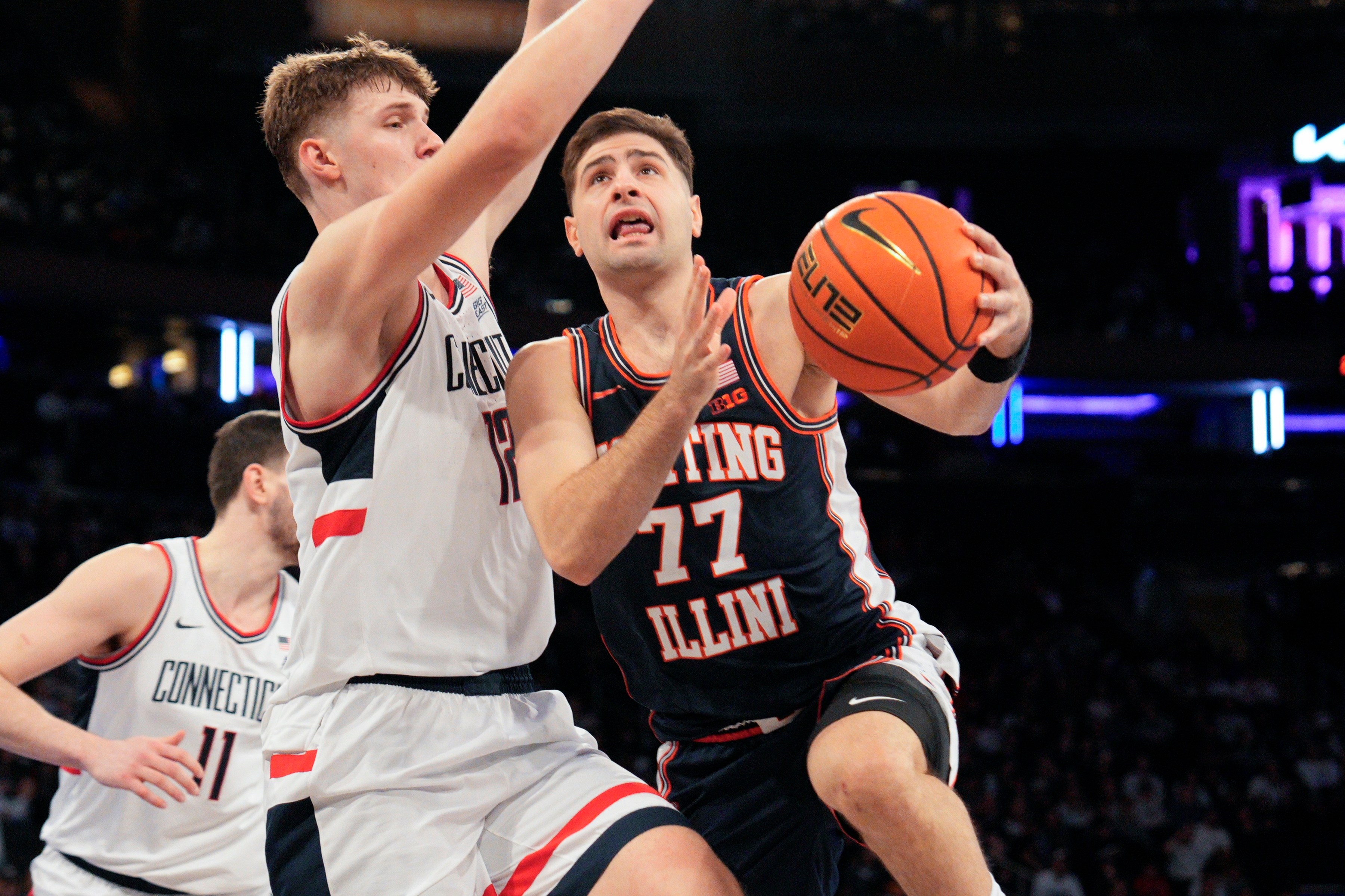
I know the answer to the search for a “why” to the 5-in-5 rule wasn’t included among any official comments from NCAA president Charlie Baker at the time the new rules were adopted in June.
“While previous NCAA rules have served college sports well for a long time,” Baker said then, “we heard also loud and clear from NCAA members and student-athletes that eligibility rules should be easier to understand.
“This change to an age-based model eliminates aspects of the rules that have proven difficult to administer in the current litigious environment and clearly defines the exceptions available in limited circumstances, while preserving the long-intended alignment of eligibility with typical college enrollment and graduation patterns, because 98 percent of the 550,000 NCAA student-athletes will go pro in something other than sports.”
I know it’s also not included in any of his public comments since the announcement of this new policy in early summer fomented perhaps the greatest tsunami of litigation against the NCAA in a decade of significant court defeats — feeding the sense of desperation the colleges wish to portray to the government in order to promote legislation allowing them to regain control of athlete compensation.
“Without targeted intervention from Congress, college sports cannot set nationwide rules everyone can play by and without Congress, failed professionals will continue to use college sports as a fallback option, robbing the next class of young athletes of college scholarships,” Baker said in a late-July statement advocating for passage of the Protect College Sports Act.
Seriously, Baker presided over a revolutionary NCAA rules change that, by its nature, reduced opportunities for high school athletes by nearly 20 percent. And yet he wants you to believe he’s out there working to defend those young people against the scourge of eight or 10 NFL training camp cuts trying to get the fifth year of college competition now promised to every class.
Pete Maravich scored 3,667 points in the three seasons allowed to athletes in the 1960s. Tony Dorsett rushed for 6,526 yards in the four seasons permitted once freshmen rightly were granted eligibility in the 1970s. And yet somehow we’re to believe Florida power forward Alex Condon can’t accomplish all that’s necessary to turn him into a college graduate and professional prospect in four years?
No one had been playing five “full” seasons before COVID damaged the experience for every athlete in 2020-21, which rightly led to all active athletes then getting the chance to play another year. It was an exception, one we hope not to see repeated in the next century. Because legitimate compensation has made remaining in school more appealing, though, now we see the NCAA playing scared against the potential for future suits.
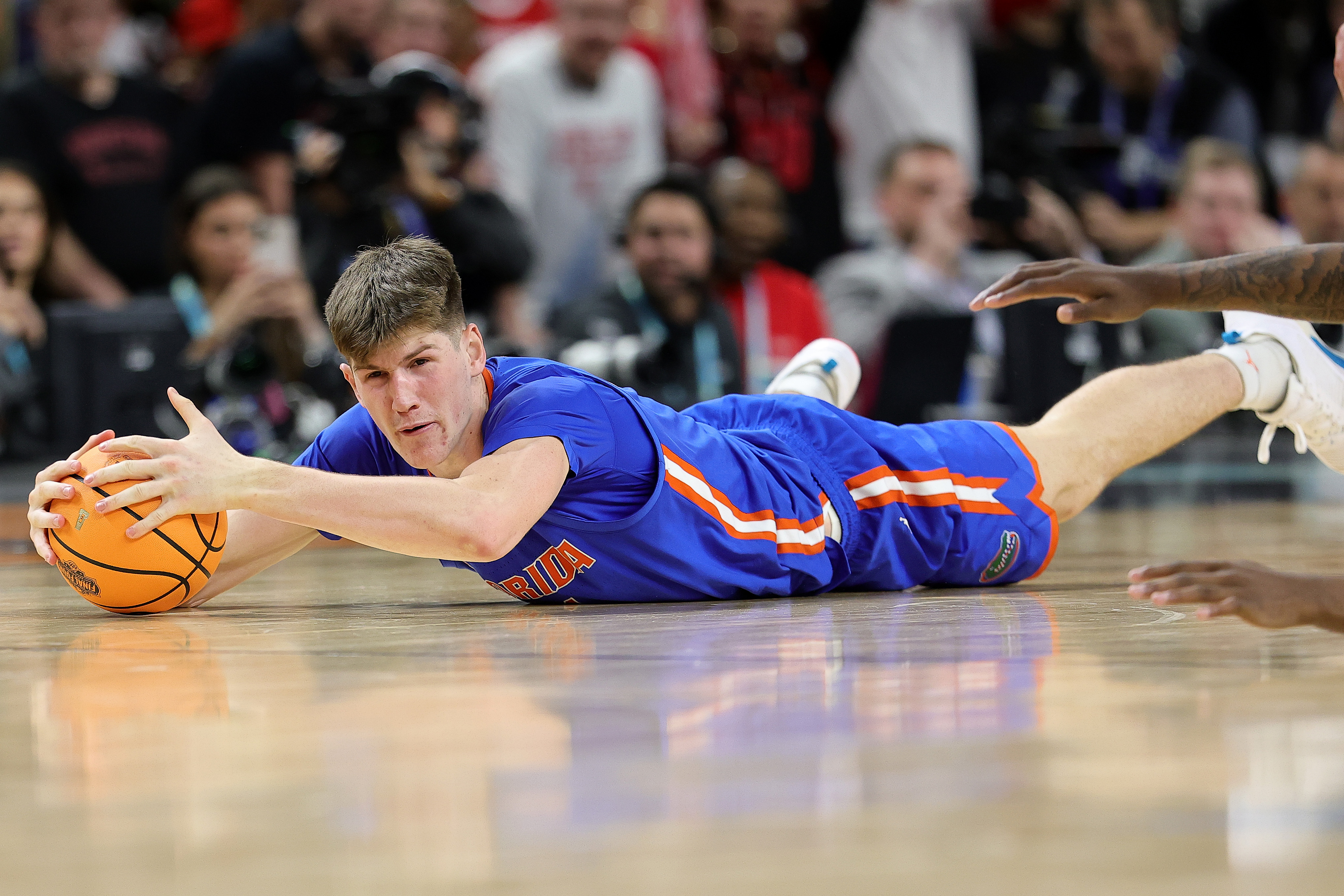
There are statistics now that indicate only 44 percent of college students complete their degrees in four years. The majority includes those working fulltime jobs away from campus, part-time students and those who withdraw temporarily for personal or economic reasons. Scholarship athletes need not be concerned with how to pay for tuition and other expenses, and those in high-profile sports now are expected to be on campus for summer sessions and thus in position to earn nearly a full year’s worth of credits in those periods.
College student-athletes don’t need the extra year as students or athletes.
And yet that isn’t the most deplorable element of the 5-in-5 rule. The most astounding issue is the lack of grace being accorded those college athletes unlucky enough to be severely injured during the course of their careers. The NCAA leadership is acting like it’s too complicated to grant the same eligibility considerations to a player who tears an achilles or an ACL or even — as rarely has occurred with college athletes, but still too often — is afflicted by a serious illness.
The NCAA membership has determined an athlete who, in an early season practice or game, executes his or her assignment as designed by the coaching staff and either steps wrong or is contacted unfortunately and tears a ligament does not deserve the same eligibility considerations as all others.
As Chris Stapleton would say, or sing: Why you got to be so cold?
Meet your guide