A major change to the NCAA’s eligibility rules was put on pause this week. On Wednesday, the NCAA Division I Cabinet opted not to take a formal position on the so-called “Five-for-Five Rule,” a policy which would eliminate the current four “seasons of competition model” in favor of age-based eligibility. The rule was never formally put into a legislative vote, so the Council was not scheduled to render a verdict. But the Council’s announcement that its only action was to encourage the NCAA to discuss the matter further underscores that this idea is a long way from becoming reality.
The “five for five” rule, which was proposed as part of the executive order that President Trump signed April 3, is a new system whereby college athletes would have five years to compete, beginning in the academic year after their graduation or their 19th birthday, whichever comes first. The concept would replace the current “five for four” model whereby athletes are allowed to play four seasons within a five-year period, with one year allowed for sitting out because of injury or development purposes — the so-called “redshirt year.” Not only would it be a transformative change in the eligibility process, but it would also come with a de facto age limit, because the five-year clock starts once an athlete enrolls in college. If he or she takes off a year or more to compete professionally or for another reason, then that counts against the five-year window. Exceptions would be limited — pregnancies, active-duty military service and religious missions were cited by the Cabinet — while redshirts and waivers would be eliminated entirely.
The Cabinet stated its support for further discussion of the rule among NCAA staff and stakeholders. “Division I is currently undergoing an extensive review of all eligibility rules to determine what makes the most sense in the current era of college sports,” said MAC Commissioner and D-I Cabinet vice chair Jon Steinbrecher. “The Cabinet will continue its work on broader eligibility discussions in the coming months.”
Under the current model, student-athletes are given five years to play four seasons. In the NIL era, that rule has been challenged repeatedly as athletes with pro experience have launched lawsuits for extra seasons of competition. Last year, Zakai Zeigler (Tennessee) and Ante Brzovic (College of Charleston) filed lawsuits accusing the NCAA of violating antitrust laws by capping their eligibility and “restricting their ability to compete.” While a federal judge ruled against Ziegler, Brzovic was granted an additional season via preliminary injunction. Neither case provided a decisive ruling on the NCAA’s antitrust status.
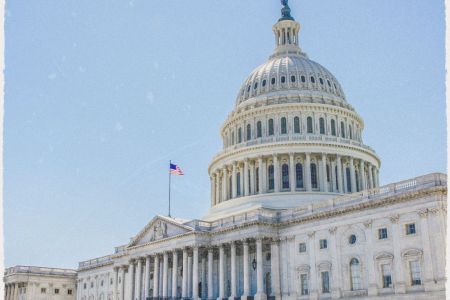
Why the Protect College Sports Act Is Good For Athletes
It’s unfortunate that student-athletes did not have more say in the negotiations, but the PCSA would still give them a big win if it becomes law
NCAA President Charlie Baker thanked Trump for his work but maintained that the eligibility question requires congressional attention. “Stabilizing college athletics for student-athletes still requires a permanent, bipartisan federal legislative solution,” Baker wrote in an April 3 statement. “We look forward to continuing to work alongside the Administration and Congress to enact targeted legislation with the support of student-athlete leaders from all three divisions.”
In an email following the Division I Cabinet meeting, Baker conveyed his support for the five-for-five, describing it as a rule to “prevent athletic tenures from being unfairly extended through complicated waivers and legal challenges that are eroding the basic principle that college sports should be played by college athletes.”
In conjunction with the rule change, Baker called on his colleagues to “contact your members or congress to support the SCORE Act,” an NIL-facing piece of legislation that would grant the NCAA a limited antitrust exemption.
The Cabinet’s declaration came amid a slew of changes, including a rule requiring new athletes to “withdraw from opt-in professional league drafts” like the NBA Draft. Under the policy, students could enter the draft just once before impacting their collegiate eligibility.
In accordance with the Brantmeier v. NCAA class-action settlement, the Cabinet also moved to allow athletes to accept prize money in their sports. The named plaintiff in that lawsuit, UNC tennis star Reese Brantmeier, sued the NCAA over antitrust violations after she was forced to forfeit her winnings at the 2021 U.S. Open.
Other changes include allowing student-athletes to sign with “professional sports agents” prior to enrollment and new guardrails against tampering violations like illegal transferring.