Adding size on the perimeter is crucial to any NBA team in the modern game and this year’s draft has plenty of options throughout the first and second round. AJ Dybantsa will be the first wing — and possibly the first player — off the board on draft night, and Tennessee’s Nate Ament and Australia’s NBL star Karim Lopez will be the next small forwards off the board.
Previously, Hoops HQ broke down the top 10 shooting guards and top 10 point guards in this loaded draft class. Here are the top 10 wings in the 2026 NBA Draft.
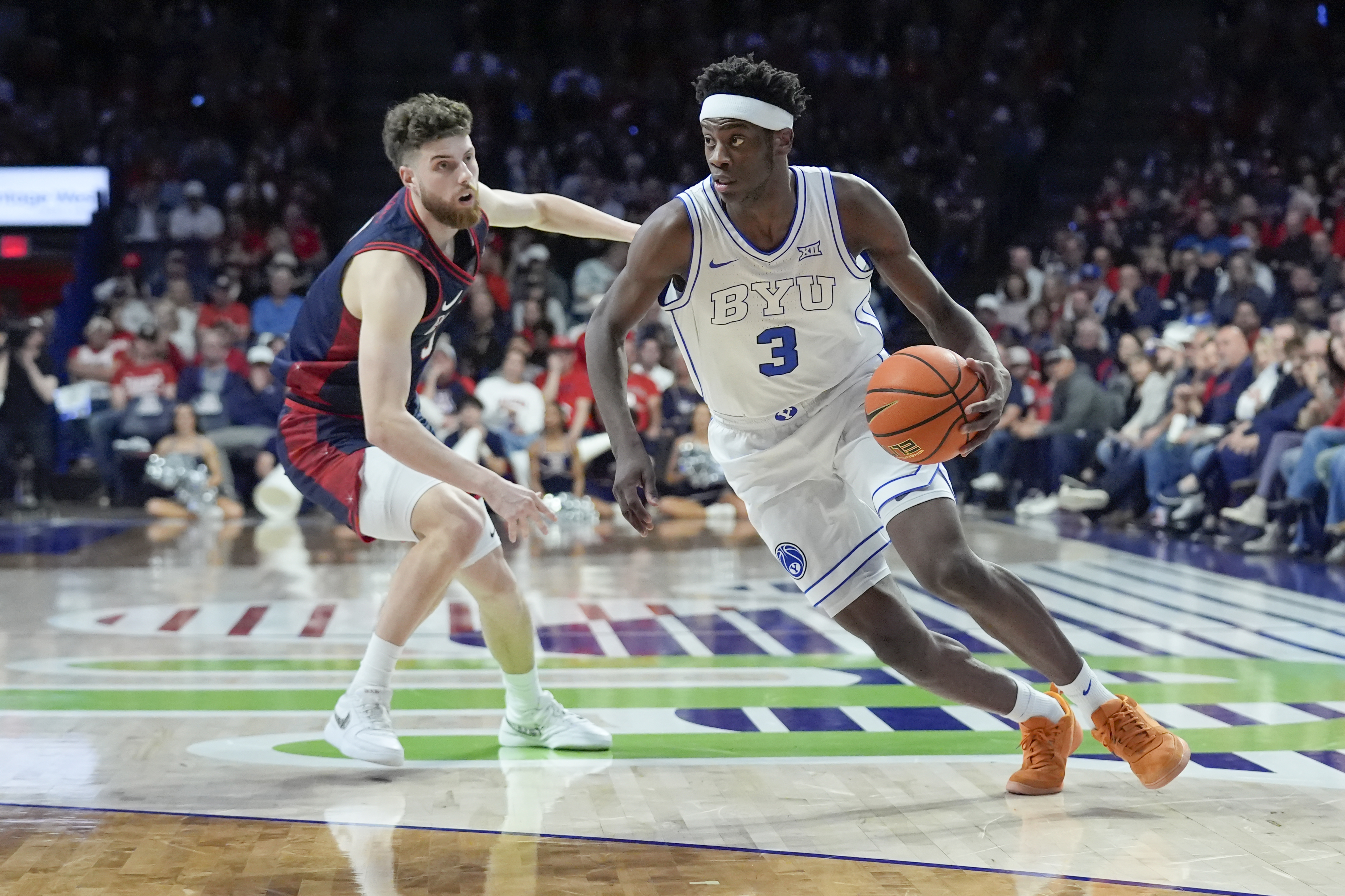
1. AJ Dybantsa, 6-foot-9 freshman wing, BYU
Dybantsa is the projected No. 1 pick and led the country in scoring, averaging 25.5 points per game. He measured extremely well at the combine at 6-foot-8.5 without shoes and a 7-foot-0.5 wingspan. Dybantsa recorded a 42-inch max vertical and shot the ball well during drills. He went from 204 pounds entering his freshman year at BYU to 220 at the combine.
There were moments this season when Dybantsa completely took over. The first game was the comeback against Clemson at Madison Square Garden where Dybantsa had 22 second-half points and finished with a game-high 28 points and added 9 rebounds and 6 assists. BYU was down 21 points at halftime, making for the largest second-half comeback in school history. The second game was a January home contest against rival Utah where he had a season-high 43 points and put on a scoring clinic.
His defensive versatility and midrange game is what separates him from Darryn Peterson, Cameron Boozer and Caleb Wilson at the top. What he did at 19 years old in college basketball projects well for a player with his positional size and instinct in the NBA.
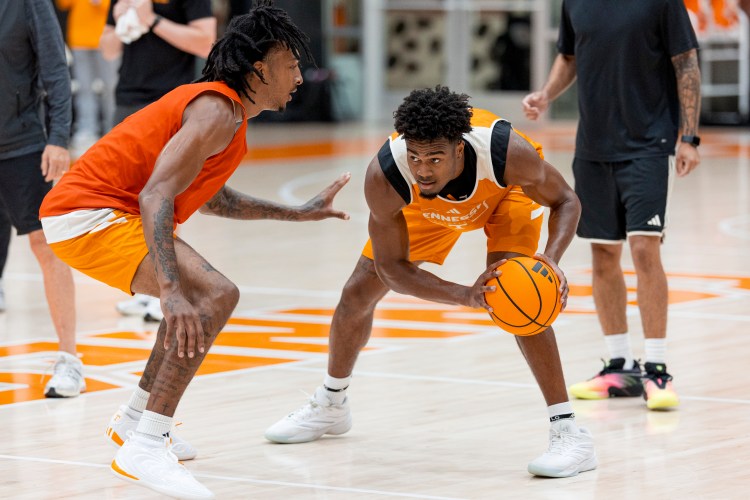
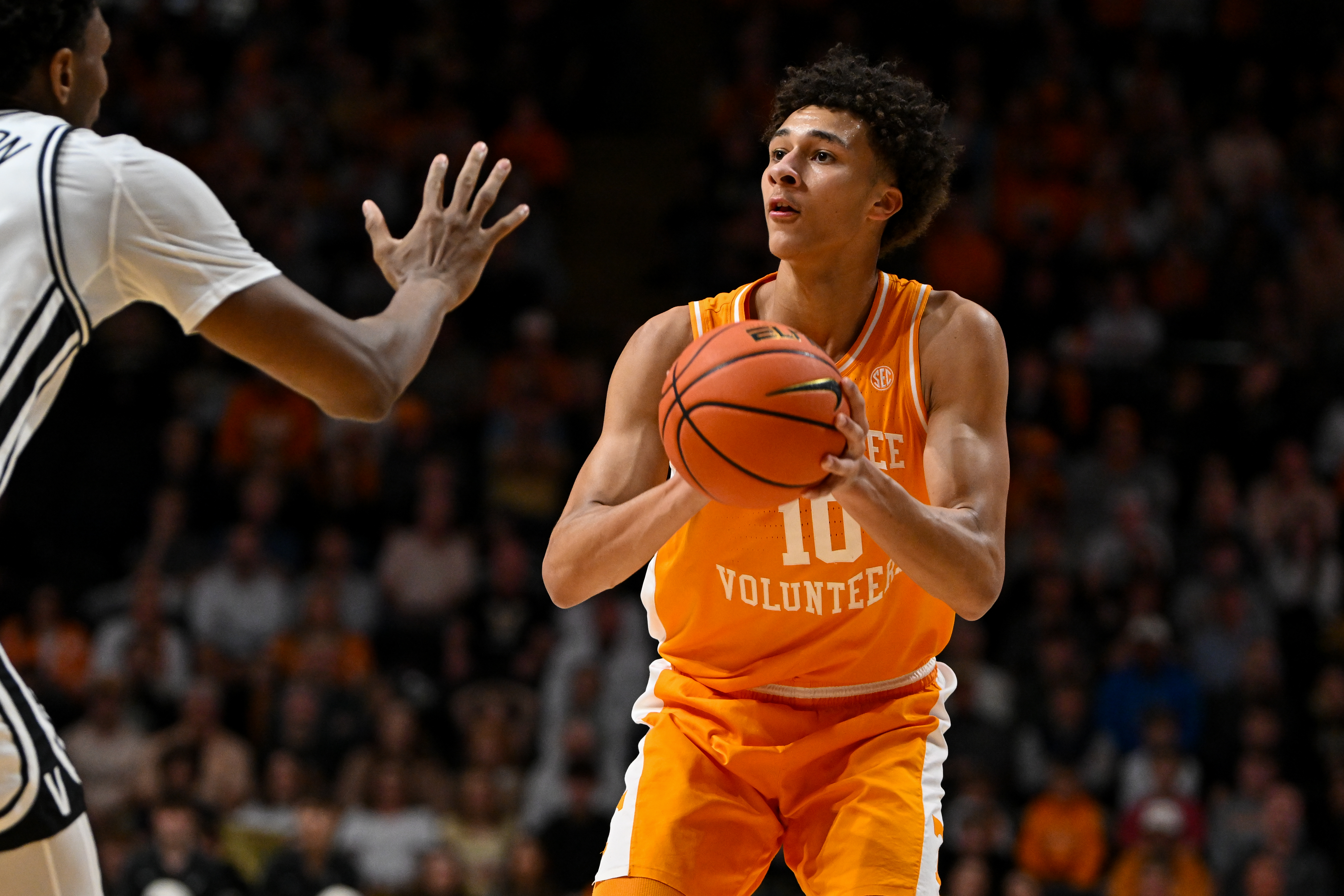
2. Nate Ament, 6-foot-10 freshman wing, Tennessee
Ament had a slow start to the season but entered his freshman year visibly stronger, adding 10 pounds of muscle. After the top four of Dybantsa, Peterson, Boozer and Wilson, the draft turns into a lead-guard lottery and Ament is projected anywhere from No. 8 to No. 15.
Ament and Dybantsa have worked out together during the pre-draft process (to mixed reviews) and Ament still has room to grow his game with NBA spacing and pace. He averaged 16.7 points and 6.3 rebounds and only shot 33.3 percent from three-point range last year, and he was inconsistent at times, but his upside and positional size will make it hard for a team to pass on him late in the lottery.
3. Karim Lopez, 6-foot-9 wing, NZ Breakers (NBL)
Not a lot of fans know much about Lopez after he elected to play two seasons in Australia’s NBL. Originally from Sonora, Mexico, Lopez moved to Spain at 14 years old to join the youth academy Joventut Badalona. He joined the NZ Breakers in New Zealand as part of NBL’s Next Stars program and set the single-season scoring record for draft-eligible prospects, netting 358 points.
Lopez measured well at the combine at 6-foot-8.25 without shoes and a 6-foot-11.5 wingspan. He shot the ball close to 50 percent in all the shooting drills and moved well for his size during the agility testing. Lopez’s draft range is anywhere from late lottery to early 20s in the first round.
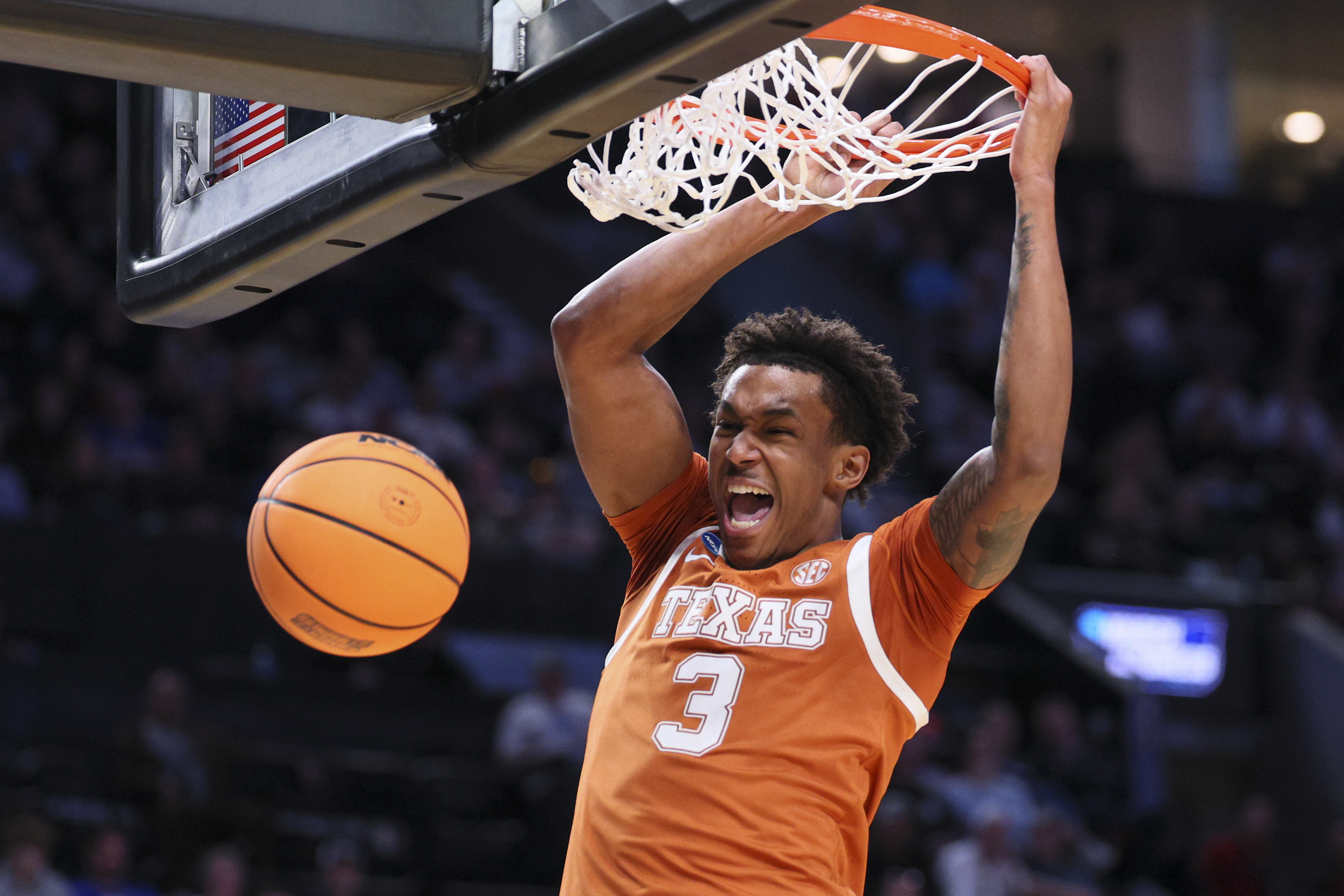
4. Dailyn Swain, 6-foot-7 junior wing, Texas
Swain had a fantastic season at Texas after following head coach Sean Miller and staff from Xavier. His passing as a wing threat separates him from every other perimeter player in the draft and his court vision got better as the season went on. Swain logged 21 assists in four NCAA Tournament games against tough teams, and although his three-point shot needs some improving, his scoring instincts are there and his long-ball is something he can develop at the next level.
Swain shot 22 of 30 in the spot-up shooting drill and 17 of 24 in the side-mid-side drill, showcasing his improved jumper. His release is a little low and he’s slow to get it off, but that should be easy for any team to fix.
5. Amari Allen, 6-foot-8 freshman wing, Alabama
Allen has until 11:59 p.m. ET on May 27 to decide if he’s going to stay in the draft or return to Alabama for another season, and many around the league think he did enough at the combine to stay in the draft. Typically players like Allen go through the process and if they receive one or two soft promises from teams in the first round, they’ll stay in the draft.
Allen is a player who could help his stock next year in a weaker draft and develop more around his peers, but teams in the late first round can get him now and start to mold him into the team’s system and get him on a contract for less money a year earlier.
He played in a guard-heavy offense at Alabama and didn’t necessarily get a ton of offensive touches next to Labaron Philon Jr. and Aden Holloway. Allen did lead the team in rebounds, averaging 6.9 per game, and added 11.4 points during his one year of college.
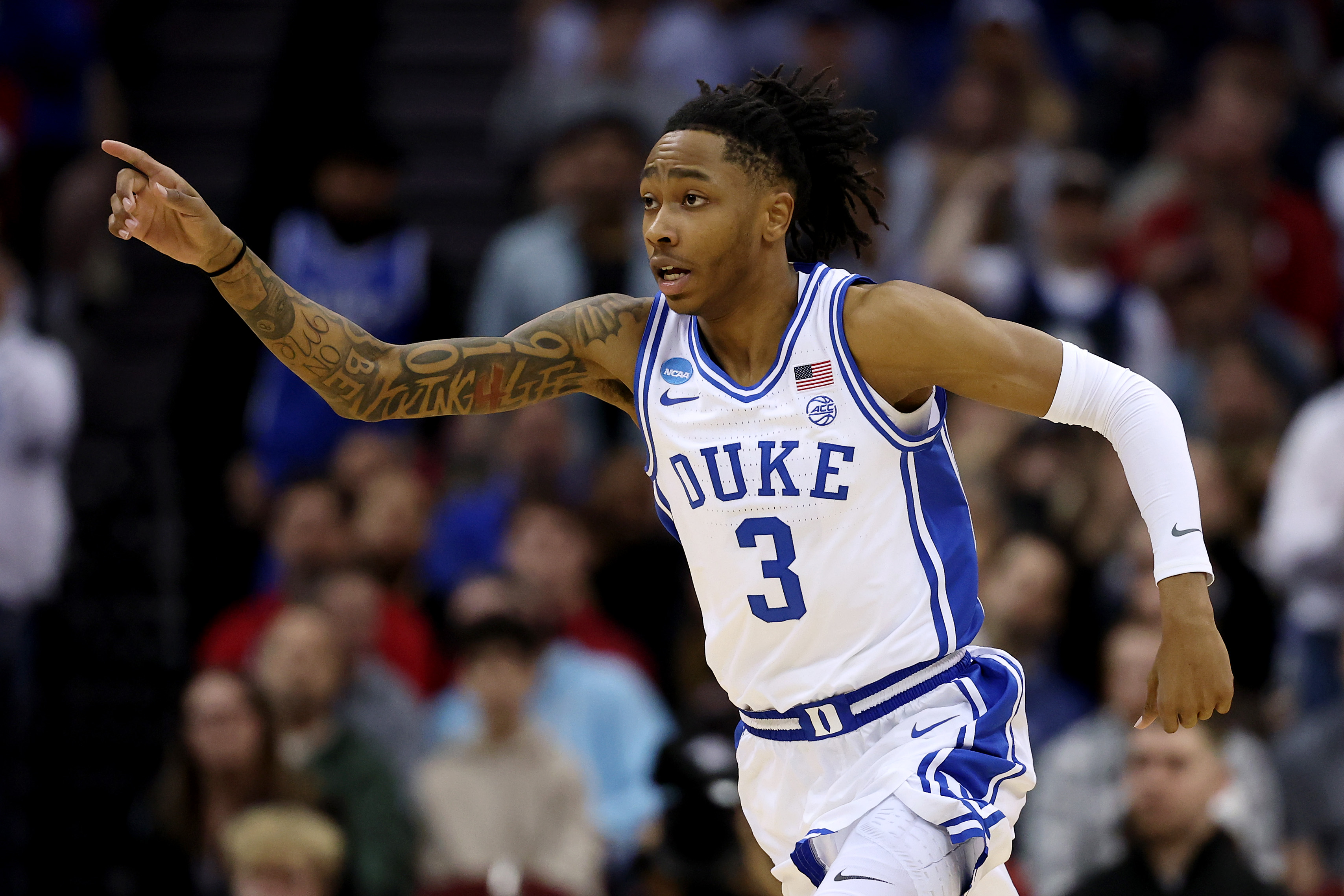
6. Isaiah Evans, 6-foot-7 sophomore wing, Duke
Evans elected to return to Duke for his sophomore season after testing the NBA waters last season and was instrumental in the team’s deep run in the NCAA Tournament. Evans’ offensive production went up from 6.8 points his freshman year to 15 points per game his sophomore season, and although his three-point percentage was down, he got way more offensive touches and hit some big-time shots for the Blue Devils.
Evans has been everywhere on draft boards throughout the season, from late lottery to the end of the first round. He tested well at the combine and shot the ball with more confidence. Evans also added some muscle to his frame, and although he’s far from a finished product, Evans still has a ton of untapped potential at the NBA level.
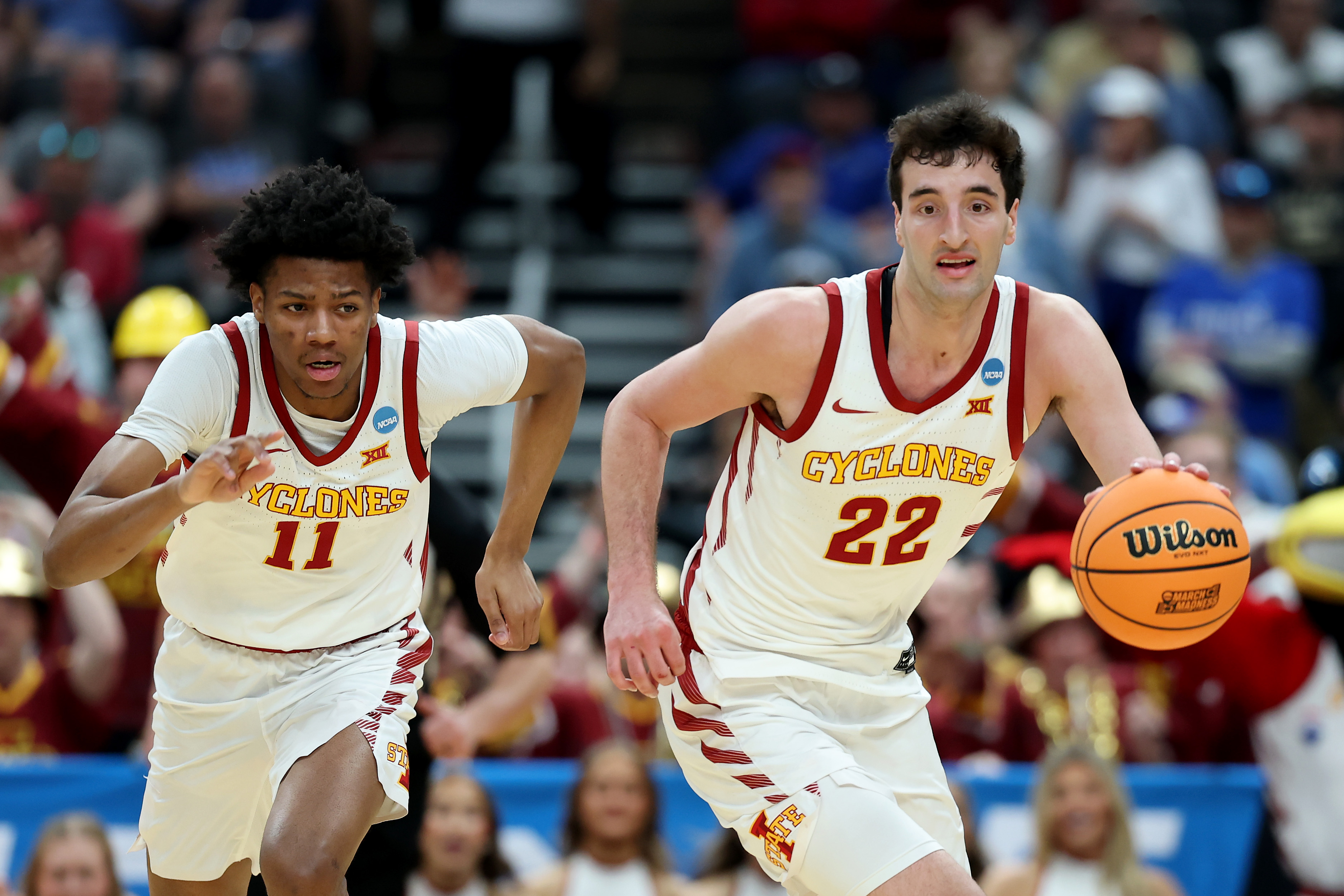
7. Milan Momcilovic, 6-foot-9 junior wing, Iowa State
Momcilovic is another player with a big decision to make. Teams love his positional size on the perimeter and he shoots at a high clip from deep range. Momcilovic shot an incredible 48.7 percent on eight attempts per game and although his lateral movement and footspeed need some improving, a reliable shooter is always a priority in the NBA. Overall, Momcilovic was the most consistent shooter at the combine and made well over 50 percent in all five shooting drills.
8. Baba Miller, 7-foot-0 senior wing, Cincinnati
Miller went through the pre-draft process two years ago at the G League Combine and looked very comfortable and confident going through testing at the NBA Draft Combine this year. He also elected to play in both days of the five-on-five scrimmages and showed his versatility as a two-way threat with his passing and finishing on offense and his drop coverage on defense. Miller averaged 13 points and 10.3 rebounds at Cincinnati and is a projected late first-round to mid-second-round pick.
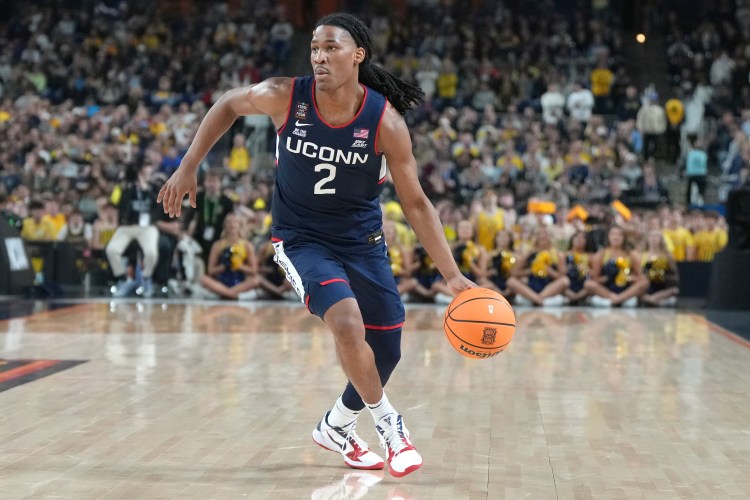
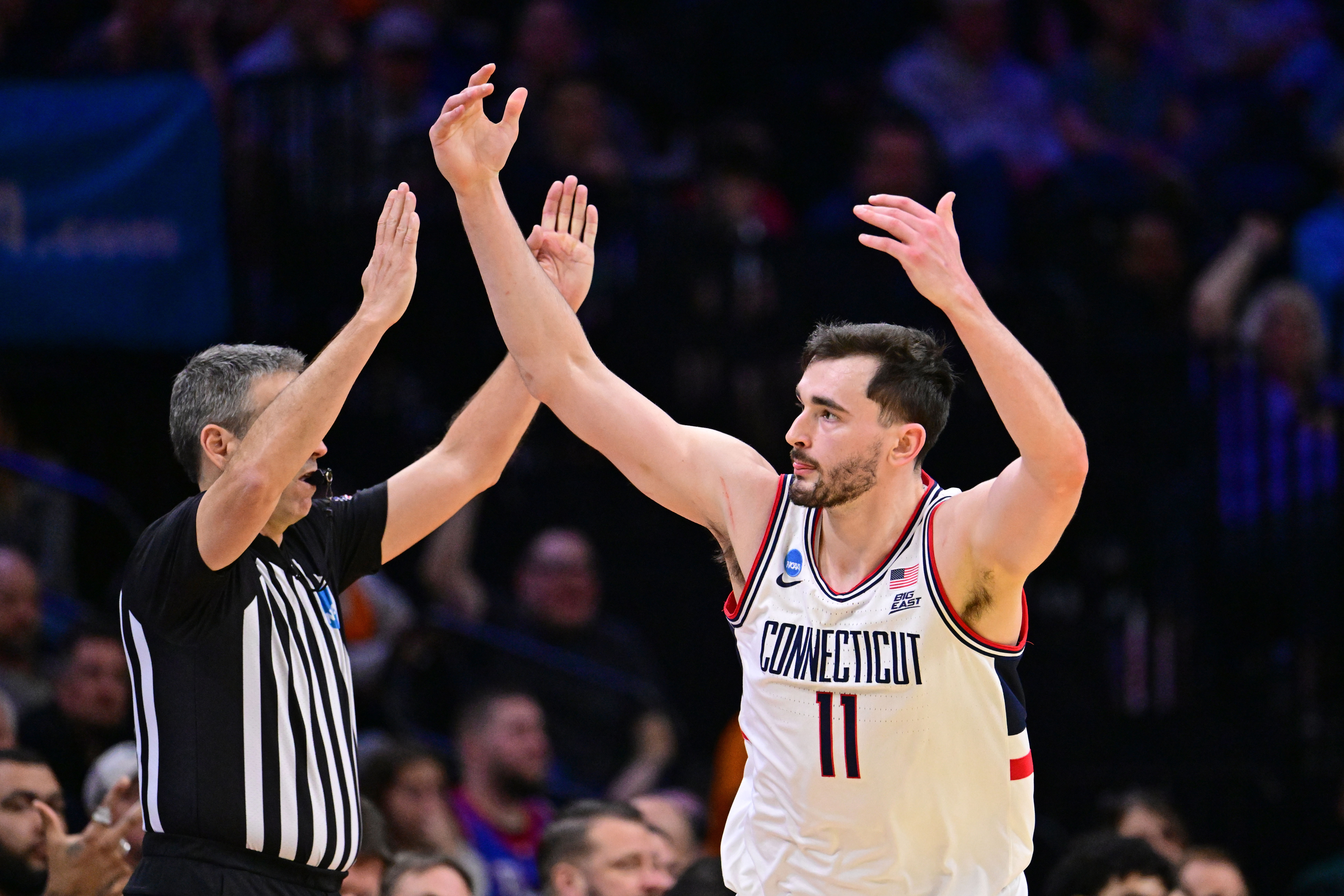
9. Alex Karaban, 6-foot-8 senior wing, UConn
Many NBA teams feel confident taking any player who played multiple years for Dan Hurley at UConn. They enter the league with toughness and structure and know how to play the game at a fast pace and with proper spacing.
Karaban started all 40 games this season and was the team leader (alongside Tarris Reed Jr.) for the Huskies’ run all the way to the title game. Karaban averaged 13.2 points and 5.3 rebounds and shot 37.4 percent from three-point range. He was the best shooter of the first group in the first session of the combine, going 18 of 25 in spot-up shooting, 21 of 25 on side-mid-side and 18 of 25 in the star shooting drill. Karaban’s draft range is early-to-mid second round.
10. Dillon Mitchell, 6-foot-8 junior wing, St. John’s
Mitchell was a five-star recruit and McDonald’s All-American coming out of high school and made stops at Texas and Cincinnati before landing at St. John’s with head coach Rick Pitino this year. He is one of the most athletic wings in transition and loves to play above the rim. During the combine scrimmages, no player ran the floor better in transition, and he was rewarded with some high-flying dunks in the process. Mitchell averaged 8.3 points, 7.0 rebounds and 3.0 assists at St. John’s and had a crucial nine points and nine rebounds in the Big East championship game against UConn. His jumper remains an area in need of development, but his rebounding has improved over his college career and he’s added muscle to his 6-foot-8 frame.
Meet your guide