College basketball is hurtling at warp speed towards March Madness, but with each passing day the picture of the 2026 NBA Draft is getting ever more clear. This is going to be one of the strongest, deepest drafts in a while — hence all the tanking — so the question of who is going to go where will be even more pressing.
The first round will be dominated by freshmen, but we still have plenty of intrigue as to who the top choice will be. Here is the order as things stand today, but keep checking back to Hoops HQ as we track all the ups and downs as we make our way through the NCAA Tournament and towards the draft in late June.
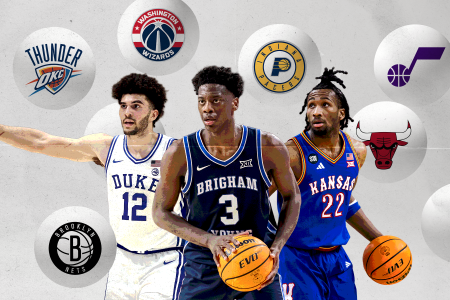
1. Sacramento Kings: Darryn Peterson, 6-foot-6 freshman guard, Kansas
Despite the unexplained early exits and absences, and the consistent dominance from AJ Dybantsa and Cameron Boozer, there is still significant support for Darryn Peterson from NBA people. Many believe that he’s dealing with a legitimate injury that’s also restricting explosion and burst to the rim they saw more of at Prolific Prep. Scouts in attendance at the Kansas-BYU game are still referencing how Peterson blew by and outplayed Dybantsa with those 18 points in 20 minutes. Medical reports could change things. And there are potential issues to watch with Peterson down the stretch, specifically the amount of difficult jumpers he relies on. But at this point, scouts continue to talk about a generational guard due to his creation, on/off-ball shotmaking and defensive quickness.
2. Indiana Pacers: AJ Dybantsa, 6-foot-9 freshman forward, BYU
Dybantsa is making a serious push to become the consensus top prospect and sway Peterson and Cameron Boozer fans to change their positions. He’s shooting better from three. He’s showing playmaking that Peterson hasn’t, most recently with a nine-assist game against Iowa State. His decision-making has been sharper inside the arc. Peterson clearly shows more range and defensive ability, but it’s getting tougher by the day to poke holes in Dybantsa’s scouting report. With the ice getting thinner underneath the top line that Peterson has sat on, Dybantsa maintaining this current level of production, versatility and impact could push him to No. 1 on the majority of boards.
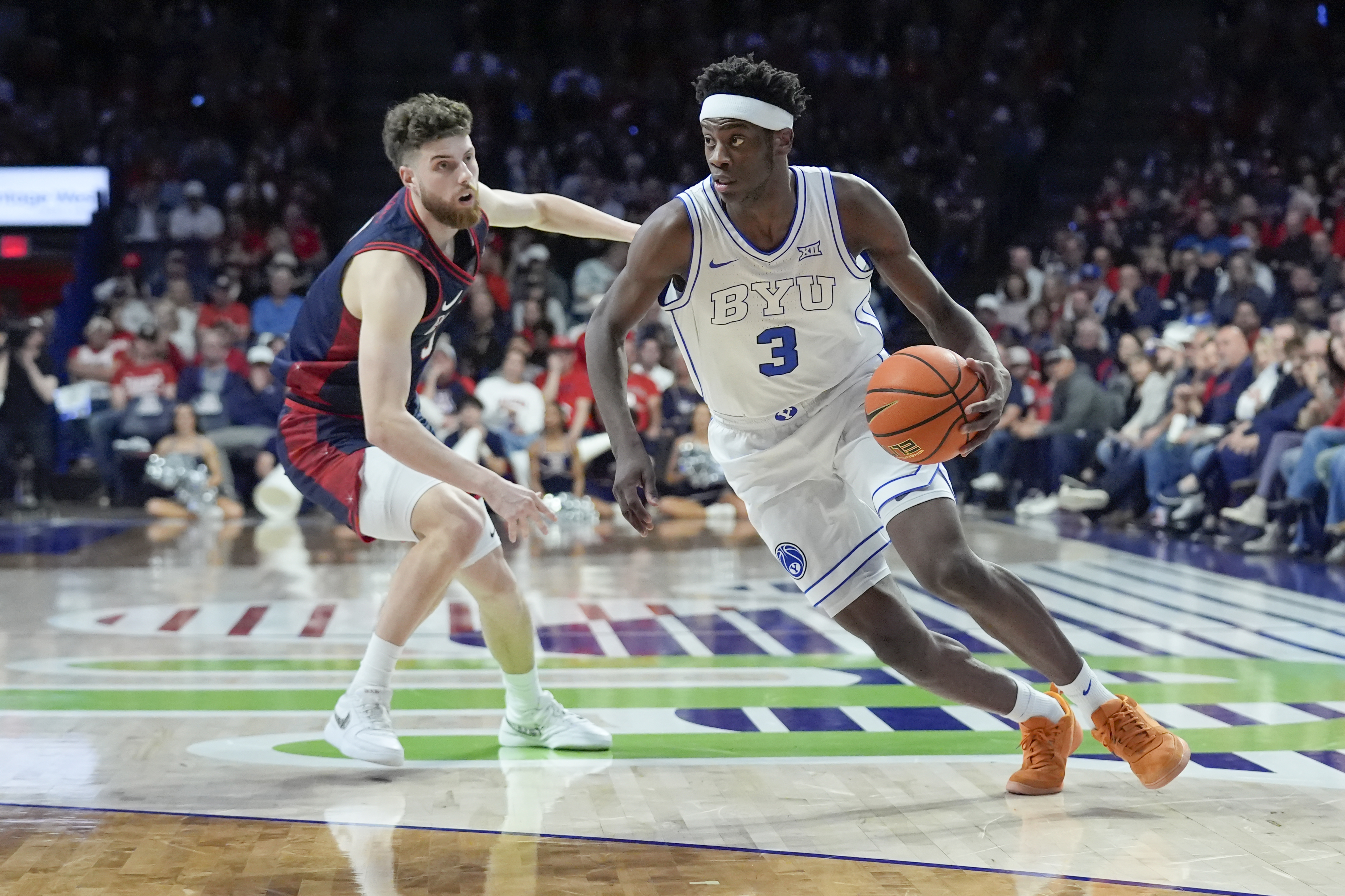
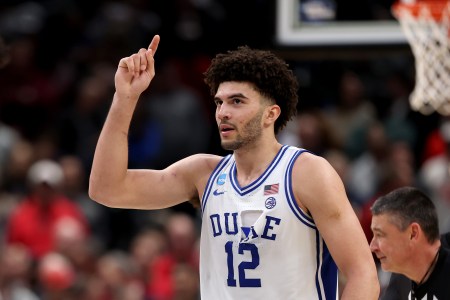
3. Brooklyn Nets: Cameron Boozer, 6-foot-10 freshman forward, Duke
Boozer falling to third is only a result of unusually special talent at the top of the draft. He’s arguably the most impactful player in college basketball, both using eyes and analytics. And despite questions about upside due to limited explosion, it shouldn’t restrict his 40-percent three-point accuracy, ballhandling craft, passing IQ, post game or ability to overpower bigs inside.
4. Atlanta Hawks (via Pelicans): Caleb Wilson, 6-foot-10 freshman forward, North Carolina
Even if a broken hand costs Wilson the rest of the season, he’ll remain a favorite to go fourth and a top-three darkhorse. The fit with Jalen Johnson may seem clunky, but teams picking this early don’t usually prioritize fit over talent. Wilson’s production, athleticism, transition ballhandling, midrange shotmaking and defensive upside point to star potential.
5. Washington Wizards: Keaton Wagler, 6-foot-6 freshman guard, Illinois
Still looking for a franchise ballhandler, the Wizards will have multiple options including Kingson Flemings, Darius Acuff Jr. and Labaron Philon. But Wagler may look the most enticing with his size, 42-percent three-point shooting, crafty creation skill and strong decision-making.
6. Utah Jazz: Kingston Flemings, 6-foot-4 freshman guard, Houston
The Jazz could picture an interchangeable backcourt with Keyonte George and Flemings, who’s got enough size to play some two-guard and experience sharing the rock with another ballhandler in Milos Uzan. Flemings hasn’t shot or finished as well as he did earlier in the season, but there’s a lot of love for his quickness off the bounce, midrange scoring, layup package, playmaking and intangibles.
7. Dallas Mavericks: Darius Acuff Jr., 6-foot-3 freshman guard, Arkansas
A 49-point game against Alabama showed off star qualities tied to his burst, creation and pull-up shooting. An incredible assist-to-turnover ratio highlights his sound decision-making running a team. The Mavericks are clearly thinking long-term, and uncertainty around Kyrie Irving post ACL-tear could push them to draft another ballhandler.
8. Memphis Grizzlies: Mikel Brown Jr., 6-foot-5 freshman guard, Louisville
Brown has been on a tear that started with a 45-point game against North Carolina State. He’s one of the most potent shotmakers in the draft despite some overly-confident shot selection. His shooting and playmaking at 6-foot-5 help offset some concerns around his decision-making and turnovers.
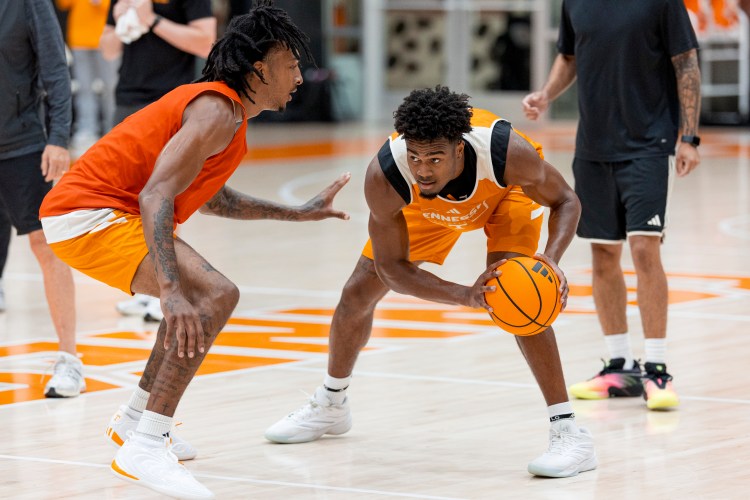
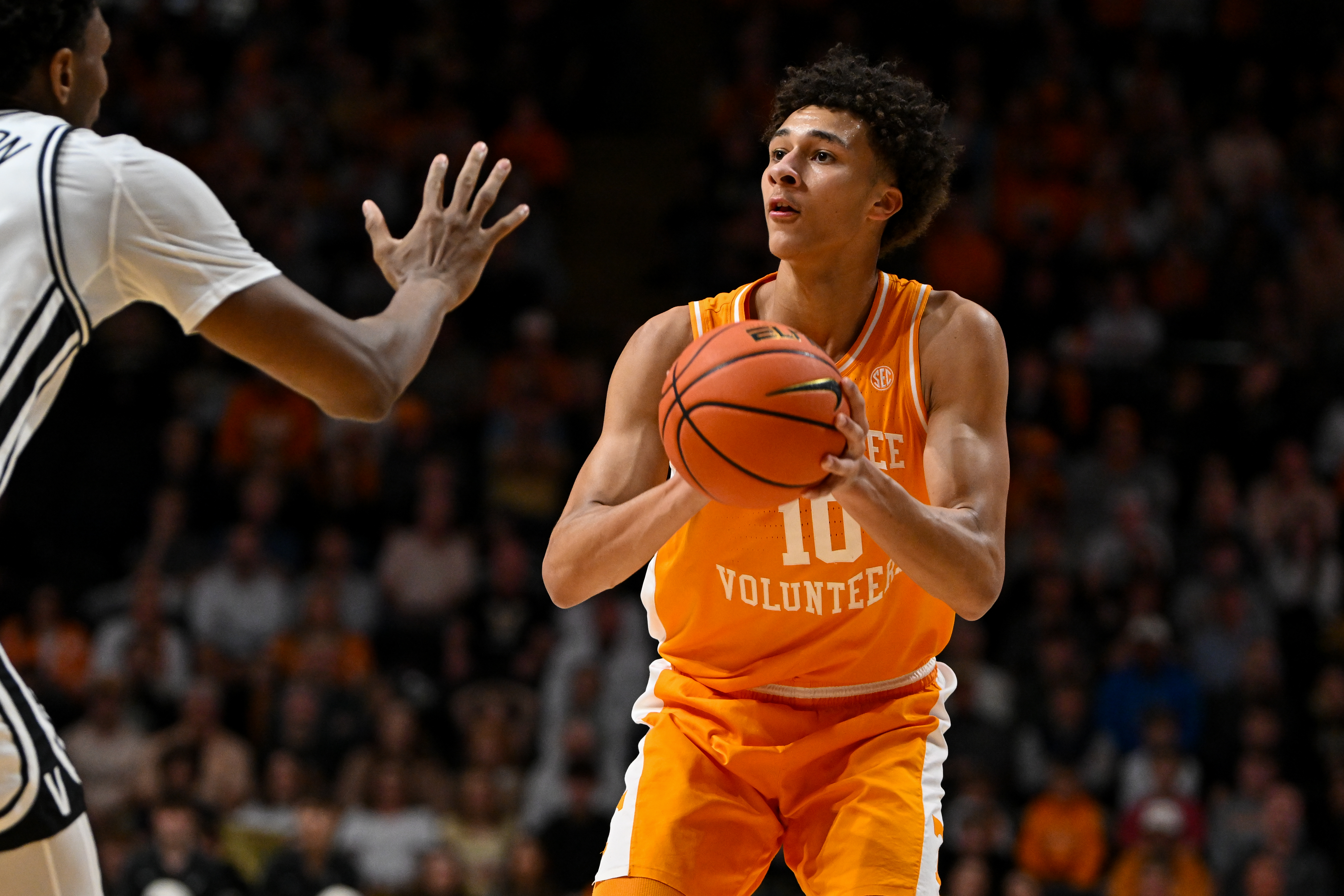
9. Chicago Bulls: Nate Ament, 6-foot-10 freshman forward, Tennessee
A switch flipped for Ament, who’s now consistently putting up 20-point games, shooting better and playing with more physicality. There’s always going to be interest in big wings that can create and hit threes.
10. Milwaukee Bucks: Jayden Quaintance, 6-foot-10 sophomore center, Kentucky
Quaintance seems unlikely to make an impact the rest of the season after returning early from a torn ACL. Still, the promise he showed in high school and at Arizona State should generate lottery interest. He’s still younger than most freshmen and has shown special defensive abilities, capable shooting range, post skill and some ballhandling for attacking bigs.
11. Charlotte Hornets: Karim Lopez, 6-foot-9 forward, New Zealand
Lopez has been consistently productive in the NBL at 19 years old, showing both physicality and flashes of perimeter skill. A 32-point game against Melbourne in January was eye-opening and a potential needle-mover that showed scoring versatility NBA teams crave from the power forward spot.
12. Portland Trail Blazers: Brayden Burries, 6-foot-4 freshman guard, Arizona
After a slow start, Burries has given Arizona a steady source of scoring within the flow of the offense. He isn’t the flashiest, but he’s been efficient and effective getting downhill, separating in the midrange and making rhythm threes.
13. San Antonio Spurs (via Hawks): Thomas Haugh, 6-foot-9 junior forward, Florida
On paper, Haugh seems like a strong fit next to Victor Wembanyama thanks to his complementary scoring ability and floor-spacing. He can play off stars by stretching the floor, attacking closeouts, cutting, getting out in transition, making good decisions and bringing good energy.
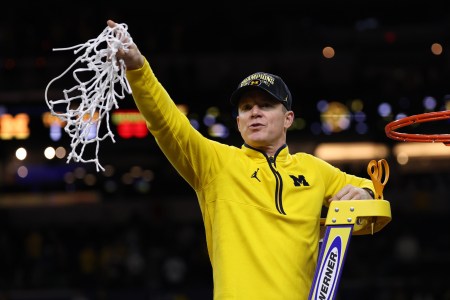
Hot Takes: Summer Recruiting, Dusty May, Eligibility and the 2027 NBA Draft
Seth Davis and Andy Katz discuss Dusty May’s jump to the NBA, the proposed 5-in-5 rule, the future of high school recruiting and more
14. Oklahoma City Thunder (via Clippers): Koa Peat, 6-foot-8 freshman forward, Arizona
A hand injury will cost Peat time and chances to win back some support he’s lost since his incredible debut against Florida. Still, a powerful finisher and midrange scorer who can attack off the bounce won’t slip too far, given his physical tools, age and maturity.
15. Golden State Warriors: Labaron Philon, 6-foot-4 sophomore guard, Alabama
Philon would give Golden State another creator. His most valuable strength is the ability to create off the bounce with change of speed and direction, but he’s turned into a potential lottery pick with his much improved finishing and three-point shooting.
16. Memphis Grizzlies (via Magic): Braylon Mullins, 6-foot-5 freshman guard, UConn
If the Grizzlies opt for a point guard with their own pick, they could look at Mullins for complementary shotmaking using Orlando’s pick. Regardless of what the numbers say, there will be eye-testers that believe he’s one of the most skilled and versatile shotmakers in the draft.
17. Miami Heat: Chris Cenac, 6-foot-11 freshman forward, Houston
Cenac’s profile is flawed, lacking ballhandling flashes, assists and defensive playmaking numbers. But there is a clear place for a 6-foot-11 forward with shooting skills, athletic finishing ability and a high rebounding motor.
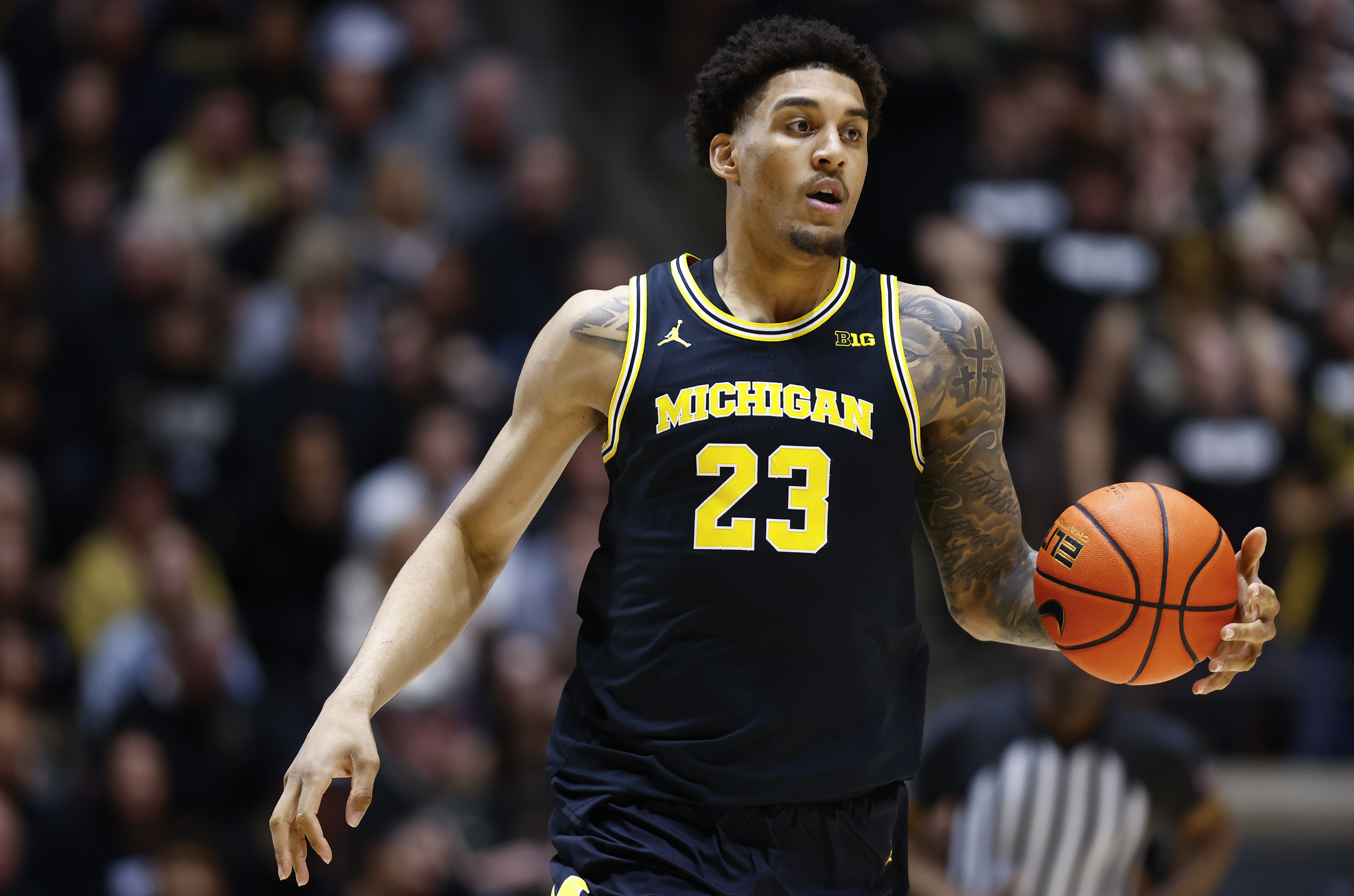
18. Oklahoma City Thunder (via 76ers): Yaxel Lendeborg, 6-foot-9 senior forward, Michigan
The Thunder may opt for NBA-ready players who can contribute on cheap rookie contracts the next few years. That could lead them to Lendeborg, a 23-year-old, NBA-ready forward who’d provide instant frontcourt depth and useful scoring versatility.
19. Charlotte Hornets (via Suns): Hannes Steinbach, 6-foot-11 freshman center, Washington
The Hornets could target Steinbach to give them an offensive upgrade at center. The lack of rim protection pushes him down the board, but his combination of size, soft hands, rebounding instincts, open-floor athleticism and overall skill bode well for his offensive projection.
20. Toronto Raptors: Christian Anderson, 6-foot-2 sophomore guard, Texas Tech
Anderson’s thin frame and lack of athleticism will scare teams off, but he should be an option outside the lottery given his three-point accuracy/volume and playmaking.
21. Detroit Pistons (via Timberwolves): Bennett Stirtz, 6-foot-4 senior guard, Iowa
Stirtz could serve as an instant backup point guard for a playoff team more interested in rookie-contract production over long-term upside. He’s backed up last year’s numbers with Drake by similarly picking apart Big Ten defenses with his shotmaking and craftiness.
22. Los Angeles Lakers: Cameron Carr, 6-foot-5 sophomore forward, Baylor
The Lakers could fill a need with Carr, whose shotmaking and athleticism scream plug-and-play, three-and-D wing.
23. Denver Nuggets: Tyler Tanner, 6-foot-0 sophomore guard, Vanderbilt
Between the production and the eye test, Tanner has displayed the quickness, shotmaking, playmaking and defensive numbers to entice scouts to bet on him.
24. Atlanta Hawks (via Cavaliers): Meleek Thomas, 6-foot-5 freshman guard, Arkansas
Thomas will draw interest from teams that could use a jolt of speed, creation and shotmaking. His game is suited for the instant-offense scoring-spark role.
25. Philadelphia 76ers: Aday Mara, 7-foot-3 junior center, Michigan
Mara’s passing at 7-foot-3 has become a draw that nicely complements his shot-blocking, finishing tools and low-post skill.
26. New York Knicks: Morez Johnson Jr., 6-foot-9 sophomore forward, Michigan
The Knicks could add some frontcourt athleticism and toughness with Johnson, an elite finisher and mobile defender who’s even flashed some occasional shooting range.
27. Boston Celtics: Dailyn Swain, 6-foot-8 junior forward, Texas
Swain’s offense has made a sizable jump at Texas. His shooting remains suspect, but the NBA loves big wings that can handle and create, and Swain figures to test as one of the better athletes.
28. Cleveland Cavaliers (via Spurs): Tounde Yessoufou, 6-foot-5 freshman forward, Baylor
There are some issues with Yessoufou’s profile, being a below-average shooter and non-playmaker. He’ll still draw first-round interest based on his shotmaking skill and physical tools for attacking and defending.
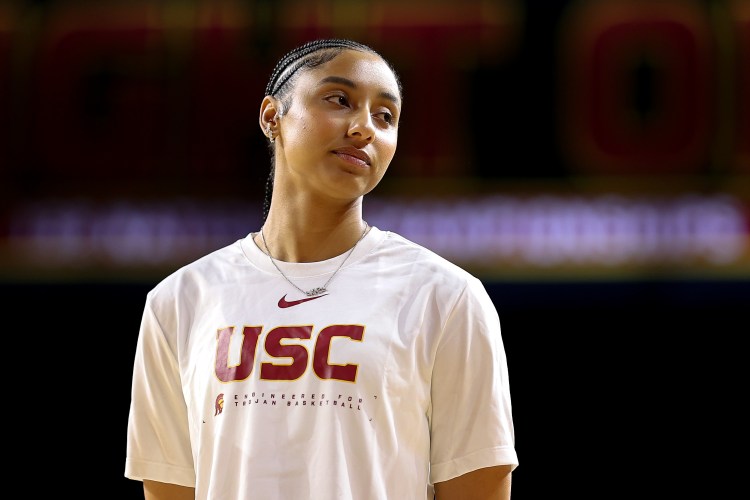
29. Minnesota Timberwolves (via Pistons): Alijah Arenas, 6-foot-6 freshman guard, USC
Arenas will earn a pass for the inefficiency due to his delayed start (knee injury) and obvious talent. He takes some wild and rushed shots, but his ballhandling, creativity and shotmaking are clearly NBA-caliber.
30. Dallas Mavericks (via Thunder): Patrick Ngongba II, 6-foot-11 freshman center, Duke
Ngonga will earn fans for his passing and rim protection, which could give a frontcourt a unique look offensively and tough interior defense.
🏀 MARCH MADNESS SALE! A 1-year subscription to HOOPS HQ is just a sweet $16/year — that’s 75% off. 🏀
Meet your guide