
As the ball sailed toward the basket, a hush fell over the crowd at the Paycom Center. With his team trailing Nebraska 74-72 in the second round of the NCAA Tournament, Vanderbilt’s Tyler Tanner had just launched a 49-foot heave at the buzzer. The shot looked perfectly in line. It struck the backboard first, then the front rim, then the back rim…and then somehow bounced out.
On the sideline, Vanderbilt coach Mark Byington dropped to a crouch, weighed down by the moment. The ending stung even more because he knew that many of his top players wouldn’t be back due to expiring eligibility, and that his superstar Tanner might be headed to the NBA.
But Byington couldn’t afford to dwell on it. With so many guys graduating, he had to immediately pivot to the 2026-27 campaign to ensure the program had a chance to return to that stage. “From the time the official season ended last year, it’s one continuous motion into this year,” Byington tells Hoops HQ. “There really is no reflecting or even reminiscing about the good times that happened. It’s immediate. The two weeks after your previous season will dictate what your next season is going to be like.”
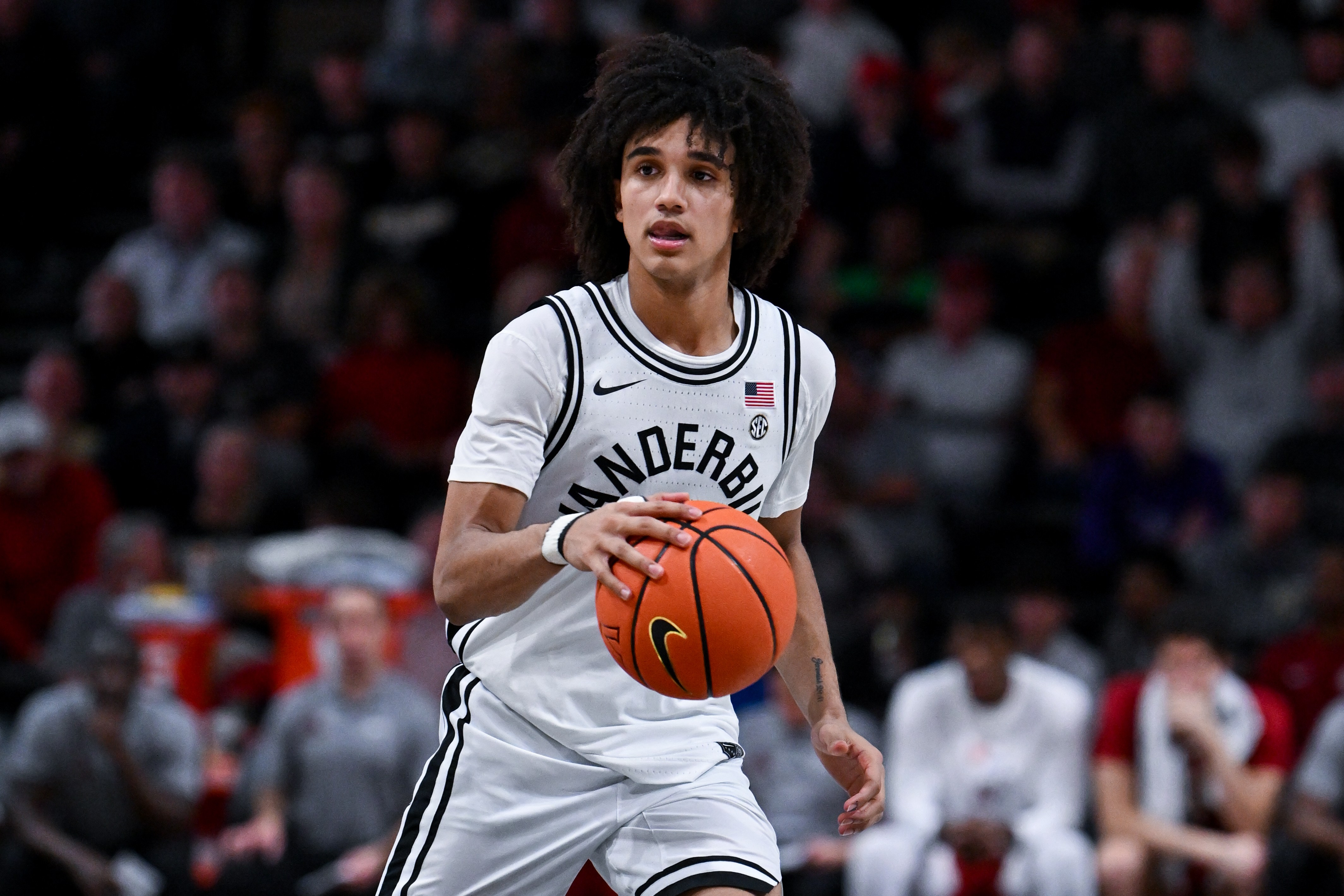
Byington had to rebuild most of his roster, but with Tanner — a National Player of the Year candidate — back and an exciting young core around him, the Commodores have the pieces to contend in the SEC again. They cracked the preseason AP Top 25 for the first time in more than a decade and sit at No. 13 in KenPom’s initial rankings. If everything clicks, Vanderbilt’s resurgence should continue, and the program should have a shot at redemption come March.
When Byington arrived in Nashville in 2024, Vanderbilt was coming off a dismal 9-23 season and had not reached the NCAA Tournament in seven years. Since then, the program has become a force in the SEC, making back-to-back March Madness appearances. Last season, the Commodores won 27 games — their second-highest mark in program history — and finished fourth in the league.
After its heartbreaking loss to Nebraska, Vandy went into the offseason with a lot of questions. First and foremost, four of the team’s starters were presumably out of eligibility, as the NCAA’s new five-for-five rule was not scheduled to take effect until next year. The other, Tanner, was contemplating making the leap to the pros.
As a sophomore, Tanner had one of the most productive individual campaigns in Vanderbilt hoops history, averaging 19.5 points, 5.1 assists, 3.6 rebounds and 2.4 steals. The 6-foot guard became just the second Commodore ever to score 700 points in a season and also set the program records for assists (184) and steals (86).
Projected as a possible first-round pick, Tanner entered the NBA Draft process. He was in constant communication with Byington, but it remained a toss-up whether the 20-year-old would return to college. “He was involved in our recruiting, and we were running things by him and talking to him about our team,” Byington says. “So if he was going to come back, I wanted him to know what the roster was going to look like. But we could not plan for him to come back until he gave us the word.”
Thus, Byington dove into the rebuilding process assuming that all his fifth-year players were gone and that his star floor general could very well be leaving too. While Vanderbilt has solid NIL resources, the program’s budget is much smaller than those of the SEC high rollers, such as Florida, Kentucky and Tennessee (all of which have rosters valued at more than $20 million). The Commodores are somewhere in the middle of the conference in terms of spending.
Given the presumed timetable for five-for-five, Byington felt comfortable building a roster that skewed younger for the 2026-27 season. That approach would allow him to keep a group together for an extended period. “I would not have done that if I’d known how this was going to play out,” Byington says, referencing the slew of fifth-year players who have been granted eligibility via lawsuits in recent months. “Because in a typical year, I want to be old. I want to make sure that we have veteran guys because in this league — the athleticism, the size, the way the coaching is — experience matters.”
Instead, Byington hit the high school recruiting trail harder than usual. He signed a whopping seven players in the Class of 2026, including three top-100 prospects: 6-foot-5 wing Gabe Nesmith (No. 38 in the 247Sports Composite), 6-foot-6 forward Ethan Mgbako (No. 78) and 6-foot-1 point guard Anthony Brown (No. 84). Nesmith, the cousin of former Vandy standout Aaron Nesmith, reclassified from 2027 after committing to the Commodores in June.
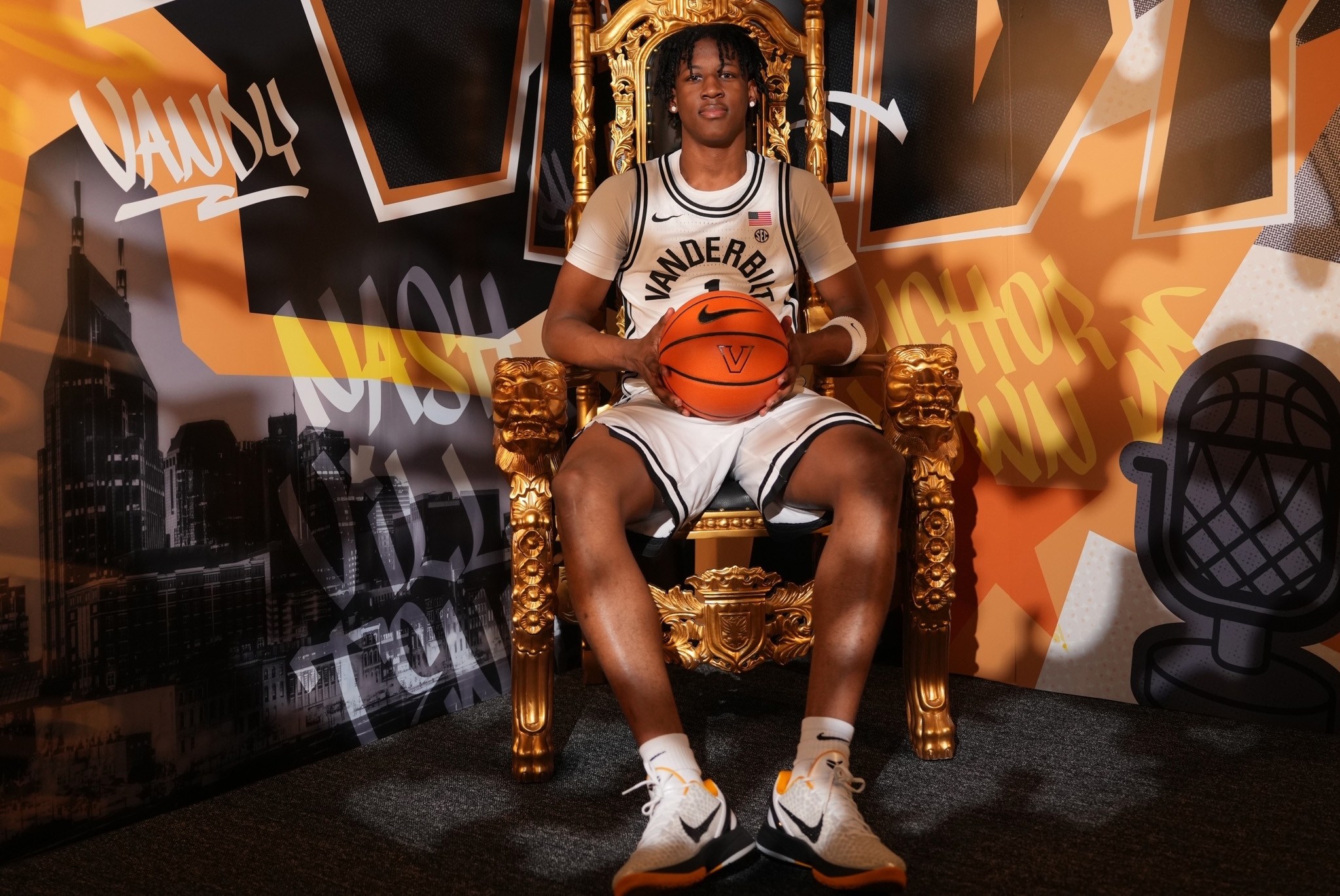
In the portal, Vanderbilt landed a pair of promising sophomores in 6-foot-9 forward Sebastian Williams-Adams (Auburn) and 6-foot-3 guard Ace Glass (Washington State). Williams-Adams started 21 games for the Tigers last season, while Glass led the Cougars in scoring (16.4 points per game). To round out the roster, Byington knew he needed some veterans. The Commodores added three upperclassmen from the high-major ranks, all of whom averaged at least 22 minutes last season: 6-foot-6 junior wing T.O. Barrett (Missouri), 6-foot-10 senior center Berke Buyuktuncel (Nebraska) and 6-foot-11 senior forward Bangot Dak (Colorado).
With 6-foot-6 sophomore forward Chandler Bing and 6-foot-11 sophomore center Jayden Leverett set to return, most of Vanderbilt’s roster was complete by the end of April. The major domino left to fall was Tanner. Byington traveled to Los Angeles, where Tanner was working out, and Chicago for the NBA Combine. The two talked regularly, but Tanner approached the draft process with an all-in mentality. “The truth of it was, I didn’t know until the last day for him to make the decision to come back,” Byington says.
On May 27, just before the official deadline, Tanner withdrew his name from the draft pool and announced that he would be returning to Nashville. He wasn’t a lock to be a first-rounder, and another college season would give him the chance to boost his stock and build on what he and the Commodores had accomplished in 2025-26. The decision completely swung Vanderbilt’s outlook for the upcoming season, vaulting the program back into the top 25 conversation.
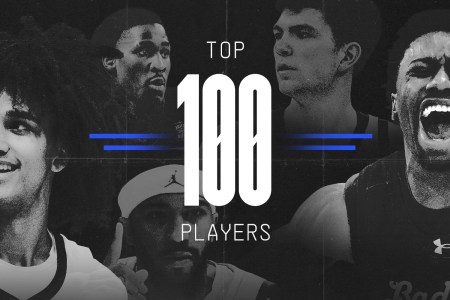
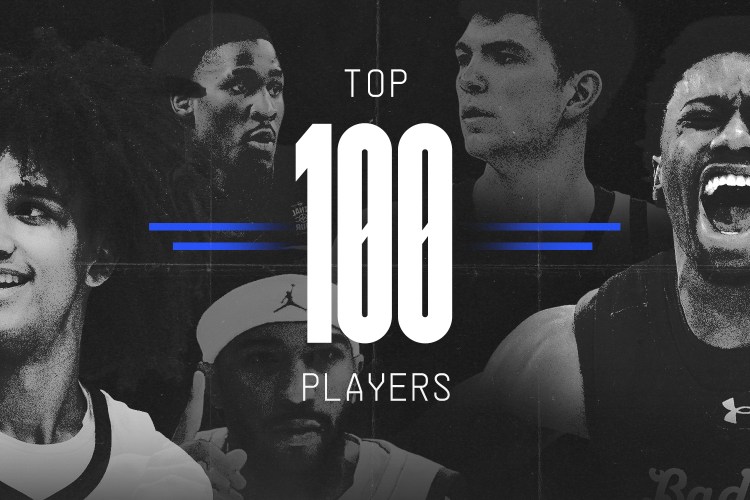
Tanner came in at No. 4 in Hoops HQ’s ranking of the top 100 players in college basketball. With feedback from NBA personnel, he has improved both his game and his body during the offseason, putting on 14 pounds of muscle. “The other growth I think you’ll see with him is just improving his decision-making,” Byington says. “So much of what we do is concept-based offense. I let him read and react, and he’s a quarterback out there. The better decisions he makes, not only the better he looks, but the better we look. So he’s got that on his shoulders as well.”
Along with Bing and Leverett, Tanner is also being counted on to help the 12 newcomers — nine of whom are underclassmen — acclimate to the program. As a whole, the group isn’t quite as skilled as past Vanderbilt teams, but Byington says it is “the biggest and most athletic team” he’s ever had. Buyuktuncel and Dak are projected to start in the frontcourt, and Byington has a bevy of explosive wings to potentially pair with Tanner, including Bing, Glass and Barrett. He envisions freshmen Nesmith, Brown and 6-foot-10 center Jackson Sheffield cracking the rotation.
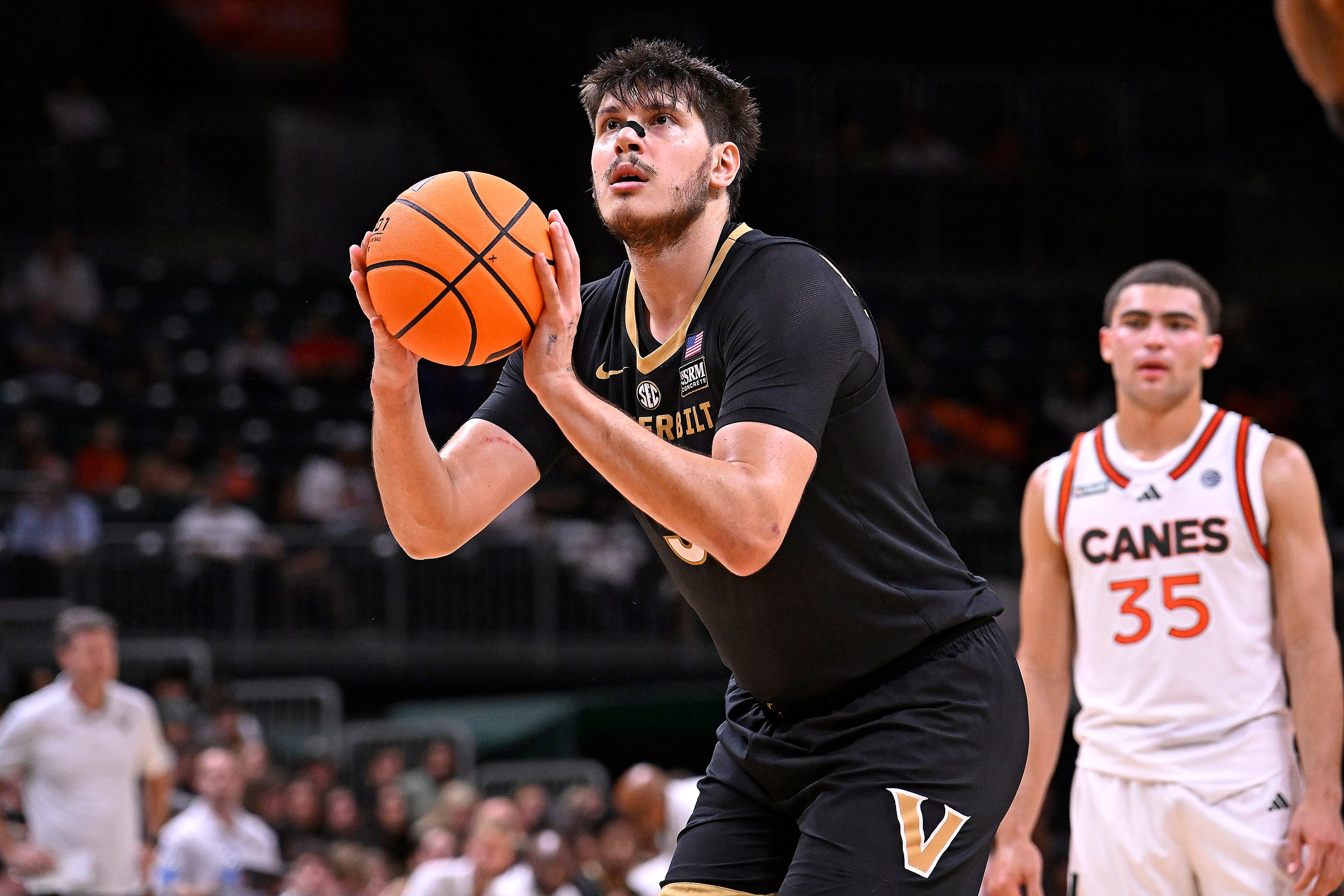
Right now, the team “plays young,” as Byington puts it. It may not get off to the same hot start as last year’s squad, which won its first 16 games, but Byington expects the group to grow tremendously throughout the season.
Of course, the Commodores had opportunities to add fifth-year seniors late in the offseason, as so many of their competitors did. Roughly half the teams in the preseason Top 25 have fifth-year players currently on their rosters, many of whom are still fighting for eligibility in courtrooms. Byington refused to go that route, even though it would have given his program a significant lift. “I thought it was breaking trust and lacking a belief in myself and my values,” he says. “It was keeping me up at night even thinking about having to go against my word, recruiting over guys who have already been working hard for me and taking away their opportunities. I’ve already invested in them, and I’m going to ride with them.”
Vanderbilt may be young and relatively inexperienced, but it has more than enough firepower to make serious noise this season. The team is building toward March, so that when moments like that unforgettable night at the Paycom Center arrive, it is ready to rise to the occasion.
“You’re preparing for the moments that might come now,” Byington says. “You just have to have like-minded people who want to do the same thing: They want to win and make a run as much as anything. There are distractions in college sports right now where some teams want it to be over. They want to enter the portal. They want to go on vacation. They want money. You have to have guys who just are giving everything they can because they don’t want the season to end.”
Meet your guide