
The Big Ten had arguably the best season of any conference last year. Nebraska made the Sweet Sixteen for the first time in program history and Iowa knocked off No. 1 seed Florida in the round of 32, while both Illinois and Michigan made it to the Final Four, with the Wolverines winning it all.
It’ll be hard to top that collective effort for the 2026-27 campaign but there are still several Big Ten teams with a real chance at making a deep run in March. Ahead of the opening tip in November, here’s a look at the preseason power rankings for the Big Ten.
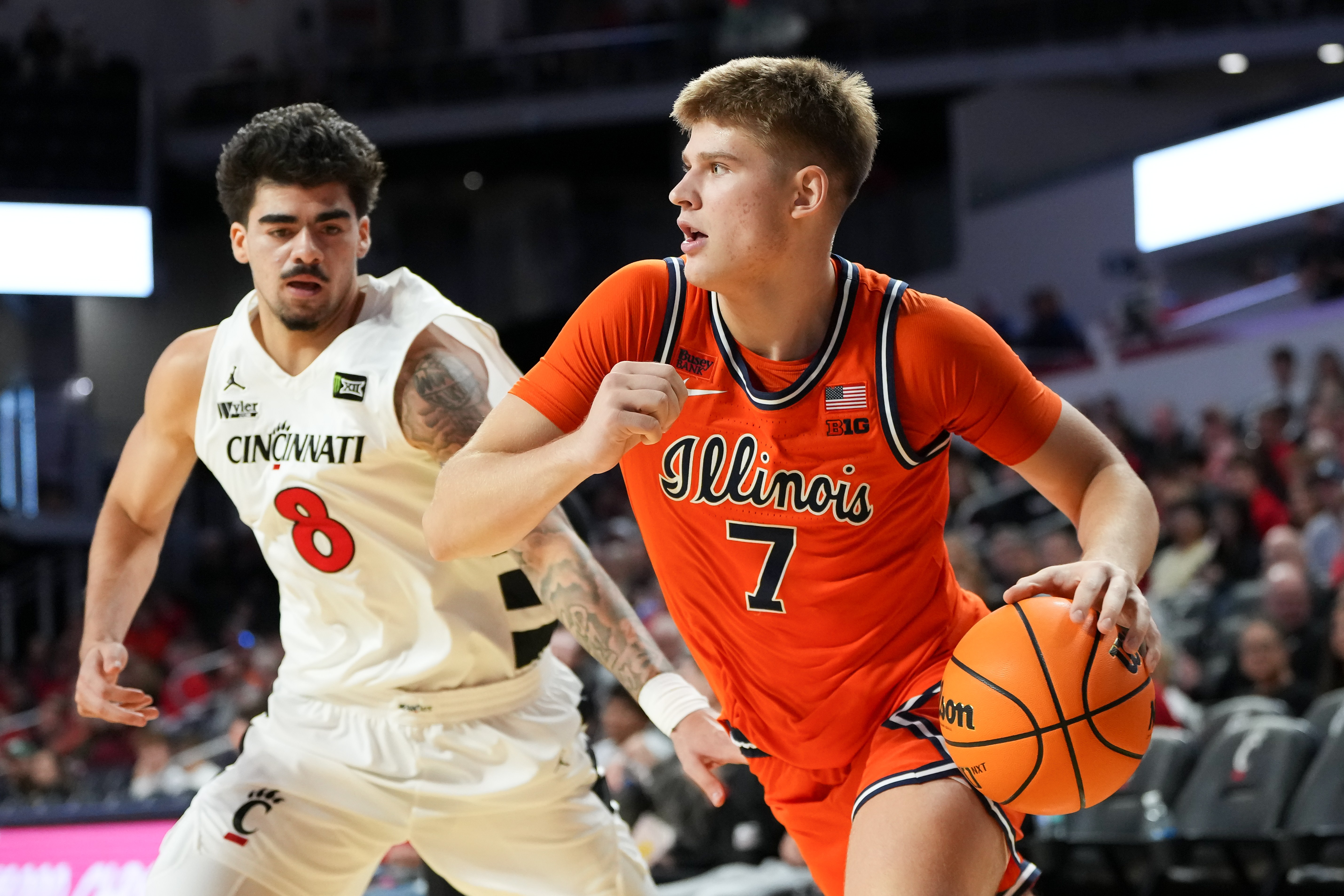
1. Illinois Fighting Illini
2025-26: 28-9 (15-5)
Key players: David Mirkovic, 6-foot-9 sophomore forward, 13.3 points, 8.0 rebounds per game; Andrej Stojakovic, 6-foot-7 senior guard, 13.5 points, 4.5 rebounds per game; Stefan Vaaks, 6-foot-7 sophomore guard, 15.8 points per game (Providence); Quentin Coleman, 6-foot-4 freshman guard, five-star prospect
Not only does Illinois bring back a ton of scoring production from last year’s Final Four squad, they also added an elite sharpshooter in Vaaks, who led the Big East in three-point accuracy. If Coleman, a standout on the US Under 19 Gold Medal roster, is good enough to be a lead guard, the Illini shouldn’t have any drop-off.
2. Michigan State Spartans
2025-26: 27-8 (15-5)
Key players: Jeremy Fears, 6-foot-2 senior guard, 15.2 points, 9.4 assists per game; Coen Carr, 6-foot-7 senior forward, 12 points, 5.4 rebounds per game; Kur Teng, 6-foot-4 junior guard, 7.3 points per game; Anton Bonke, 7-foot-2 senior center, 10.6 points, 8.3 rebounds per game (Charlotte)
Returning Fears, arguably the best point guard in the country, automatically makes the Spartans a Final Four threat. They bring back several other rotation pieces, with Teng a breakout candidate to watch. Replacing last year’s starting frontcourt will be the big question, with Bonke set to be their key big man inside.
3. Michigan Wolverines
2025-26: 37-3 (19-1)
Key players: Elliot Cadeau, 6-foot-1 senior guard, 10.5 points, 5.9 assists per game; Trey McKenney, 6-foot-4 sophomore guard, 9.9 points per game; Moustapha Thiam, 7-foot-2 junior center, 12.8 points, 7.1 rebounds per game (Cincinnati); J.P. Estrella, 6-foot-11 senior forward, 10 points, 5.4 rebounds per game (Tennessee)
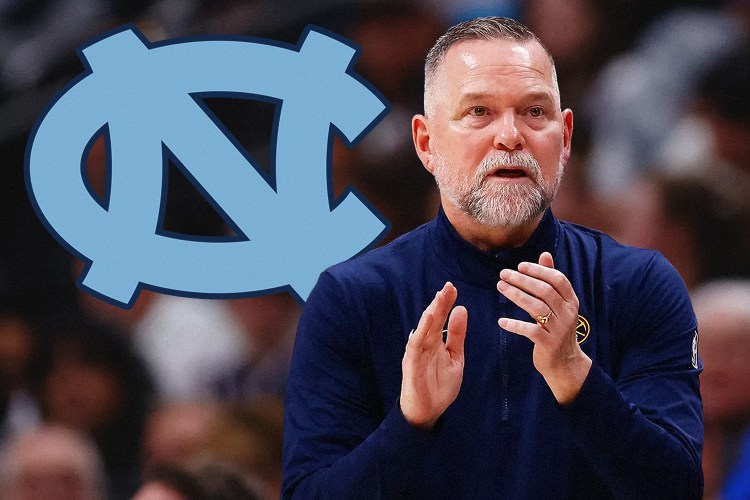
The biggest storyline with Michigan was head coach Dusty May leaving the team for the NBA this offseason, with Mike Boynton taking over. Boynton needs to clear a few benchmarks to get another year with the program but the talent isn’t a question. With Cadeau and McKenney back as the lead guards surrounded by a new-look frontcourt, the Wolverines shouldn’t take too much of a step back this year.
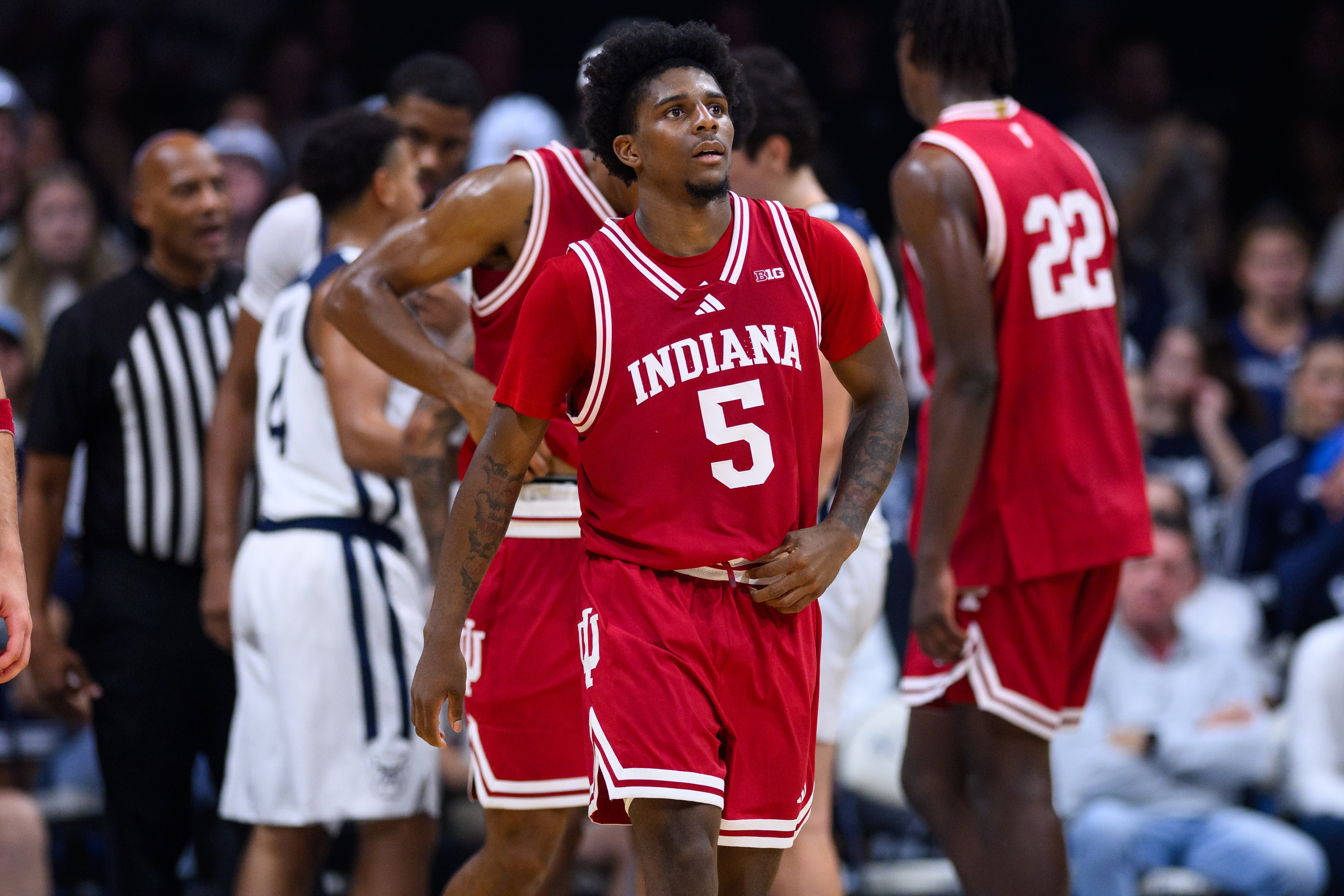
4. Indiana Hoosiers
2025-26: 18-14 (18-14 (9-11)
Key players: Markus Burton, 5-foot-11 senior guard, 18.5 points per game (Notre Dame); Bryce Lindsay, 6-foot-3 senior guard, 12.3 points per game (James Madison); Aiden Sherrell, 6-foot-10 junior forward, 11.1 points, 6.2 rebounds per game (Alabama); Samet Yigitoglu, 7-foot-2 junior center, 10.7 points, 7.9 rebounds per game
Coach Darian DeVries has a new-look roster to work with and the early returns have been promising. The big man duo of Yigitoglu and Sherrell looks good on both ends, while the new backcourt is sharing the scoring load. That balance could work out for the Hoosiers, although they will need an all-league player to emerge to be a league contender.
5. UCLA Bruins
2025-26: 24-12 (13-7)
Key players: Trent Perry, 6-foot-4 junior guard, 12.6 points per game; Eric Dailey, 6-foot-8 senior forward, 11.6 points, 5.8 rebounds per game; Xavier Booker, 6-foot-11 senior forward, 7.3 points per game, Nikola Kusturica, 6-foot-8 freshman forward, five-star international prospect
The Bruins bring back three key starters for this year, with the hopes that the supporting cast has improved. Kusturica is a 17-year-old quality international wing who could have a big impact out of the gate, while Perry could be the guy to break out into an all-league role for the Wildcats. The defense should remain top-tier, giving UCLA one of the higher floors in the league.
6. Nebraska Cornhuskers
2025-26: 28-7 (15-5)
Key players: Pryce Sandfort, 6-foot-6 senior forward, 18.1 points, 4.9 rebounds per game; Braden Frager, 6-foot-7 sophomore guard, 11.8 points per game; Trevan Leonhardt, 6-foot-4 senior guard, 11.9 points, 6.0 assists per game (Utah Valley); Sam Orme, 6-foot-8 junior forward, 12.7 points, 5.0 rebounds per game (Belmont)
Coming off an historic run to the Sweet Sixteen, the Cornhuskers bring back their best player (Sandfort) for another season. With Frager set to have a larger role, it’ll come down to whether or not the incoming transfers are high-major quality. Leonhardt running the offense will be another storyline to watch.
7. Purdue Boilermakers
2025-26: 30-9 (13-7)
Key players: CJ Cox, 6-foot-3 junior guard, 8.5 points per game; Daniel Jacobsen, 7-foot-4 junior center; 5.5 points, 3.0 rebounds per game; Gicarri Harris, 6-foot-4 junior guard, 4.6 points per game; Caden Pierce, 6-foot-6 senior forward, 11.2 points, 7.2 rebounds in 2024-25 (Princeton)
Purdue lost a ton of scoring talent last season and elected to not use the transfer portal outside of Pierce. Instead, the returning pieces will be tasked with becoming the next Boilermaker stars. We saw flashes out of Cox and Harris last year; look for them to be the focal points on offense this season.
8. Maryland Terrapins
2025-26: 12-21 (4-16)
Key players: Andre Mills, 6-foot-4 junior guard, 12.2 points per game; Pharrel Payne, 6-foot-9 senior forward, 17.5 points, 7.2 rebounds (10 games); D.J. Wagner, 6-foot-3 senior guard, 7.4 points per game (Arkansas); Tomislav Buljan, 6-foot-9 senior forward, 13.1 points, 10.3 rebounds per game (New Mexico)
Payne was on his way to a breakout campaign before a season-ending lower-leg injury last season. He’s back, along with Mills, who is set to be the Terrapins’ lead guard after a strong individual campaign. The additions of Buljan and 6-foot-8 freshman forward and five-star prospect Baba Oladotun gives them frontcourt depth, while former five-star prospect Wagner looks for a larger role with the Terps after two years at Arkansas. Maryland is widely expected to increase its win total from last year, but the question is by how much?
9. Ohio State Buckeyes
2025-26: 21-13 (12-8)
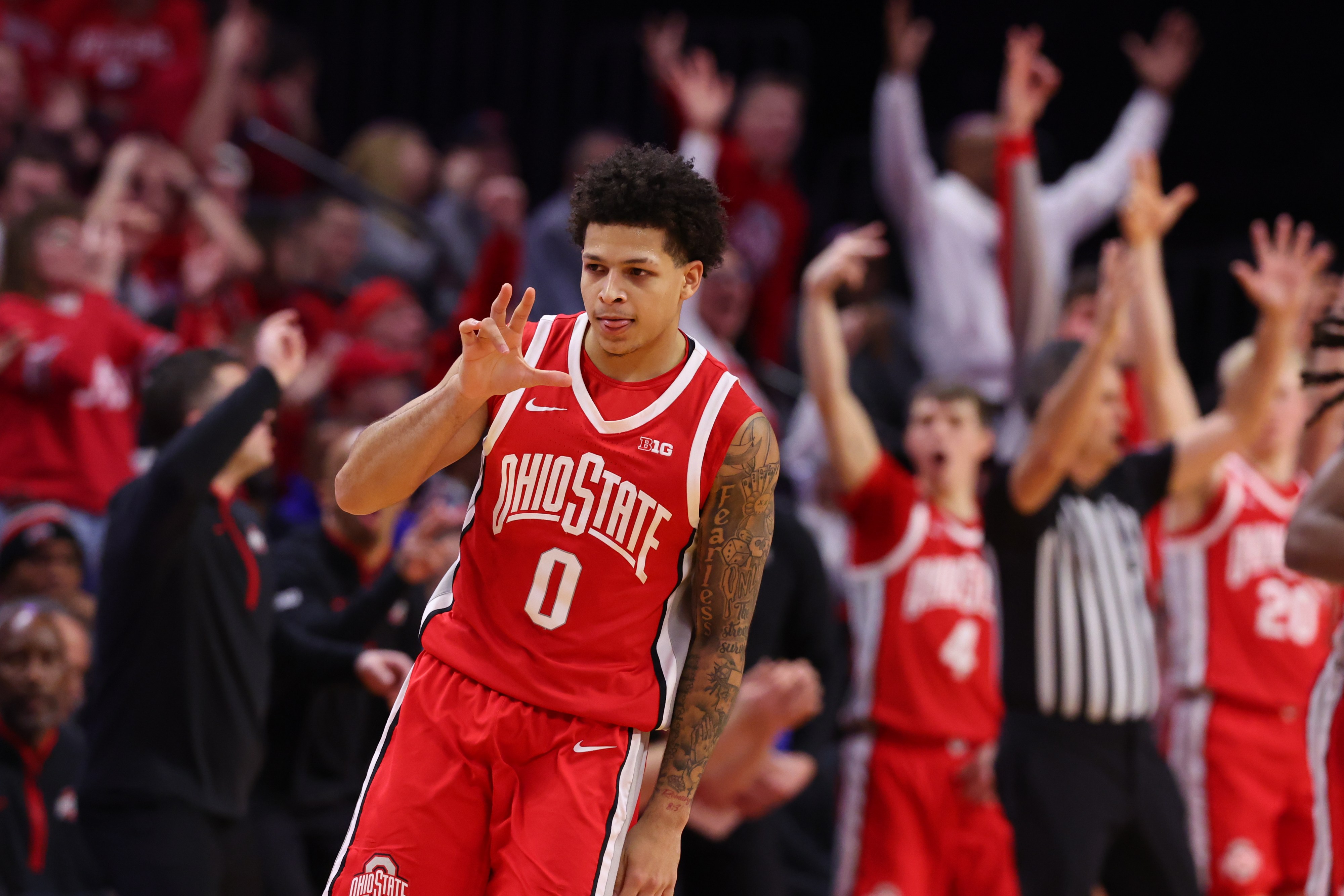
Key players: John Mobley, 6-foot-1 junior guard, 15.7 points per game; Amare Bynum, 6-foot-9 sophomore forward, 9.7 points, 4.9 rebounds per game; Justin Pippen, 6-foot-3 senior guard, 14.2 points per game (Cal); Anthony Thompson, 6-foot-8 freshman forward, five-star prospect
Losing 6-foot-2 guard and four-year starter Bruce Thornton Jr. is a major blow for any team. But Mobley is more than capable of sliding over to be the next lead guard for the program. There’s plenty of depth inside and out, with five-star freshman Thompson the X-factor. If he’s ready to have a significant impact, that’ll be enough to push Ohio State out of the mid-tier of the Big Ten.
10. Iowa Hawkeyes
2025-26: 24-13 (10-10)
Key players: Cooper Koch, 6-foot-8 junior forward, 7.8 points per game; Cam Manyawu, 6-foot-9 senior forward, 6.6 points, 4.6 rebounds per game; Ty’Reek Coleman, 6-foot-2 sophomore guard, 10 points per game (Illinois State); Andrew McKeever, 7-foot-1 senior center, 8.2 points, 9.2 rebounds per game (Saint Mary’s)
Losing All-American star Bennett Stirtz is a major blow, considering his importance to the team. Still, coach Ben McCollum is back and brought back several rotation pieces. It’ll probably be a collective effort in the backcourt compared to just Stirtz doing all of the work but look for the Hawkeyes to remain competitive as a team.
11. USC Trojans
2025-26: 18-14 (7-13)
Key players: Rodney Rice, 6-foot-4 senior guard, 20.3 points per game (6 games); Alijah Arenas, 6-foot-6 freshman guard, 14.1 points per game (14 games); Jacob Cofie, 6-foot-10 junior forward, 9.9 points, 6.8 rebounds per game; KJ Lewis, 6-foot-4 senior guard, 14.9 points per game (Georgetown)
There’s a ton of talent on this Trojans roster, led by the returning duo of Rice and Arenas. They added a ton of depth inside and out, including several 15-plus points-per-game scoring guards, as well as the 7-foot freshman five-star brothers, Adonis and Darius Ratliff. The big question is how all of these pieces will fit together, particularly on defense.
12. Wisconsin Badgers
2025-26: 24-11 (14-6)
Key players: Nolan Winter, 6-foot-11 senior forward, 13.1 points, 8.5 rebounds per game; Austin Rapp, 6-foot-10 junior center; 9.7 points, 4.0 rebounds per game; Eian Elmer, 6-foot-6 senior guard, 12.7 points, 5.9 rebounds per game (Miami OH); Owen Foxwell, 6-foot-2 senior guard, four-star international prospect
The bad news for Wisconsin is that it lost around 40 points per game of production in the backcourt and that wasn’t fully replaced, so Foxwell will need to produce as a potential lead guard. The good news is that both frontcourt starters are back in Winter and Rapp, giving the Badgers one of the best in the Big Ten. Their ceiling will be determined by how well the new backcourt performs.
13. Rutgers Scarlet Knights
2025-26: 14-20 (6-14)
Key players: Tariq Francis, 6-foot senior guard, 17 points per game; Darren Buchanan, 6-foot-7 senior forward, 8.1 points per game; Darin Smith Jr., 6-foot-7 junior guard, 20.7 points per game (Central Connecticut); Christian Gurdak, 6-foot-10 sophomore center, 5.6 points, 4.4 rebounds per game (Virginia Tech)
There wasn’t much hype with the Knights after multiple down years but competitive preseason games against St. John’s and Villanova offer a glimmer of hope. Lead scorer Francis is back, while Gurdak is a true breakout candidate after limited minutes at Virginia Tech. They’ll need to find additional offense on the wings but Rutgers has a real chance at avoiding the bottom tier in the Big Ten.
14. Minnesota Golden Gophers
2025-26: 15-18 (8-12)
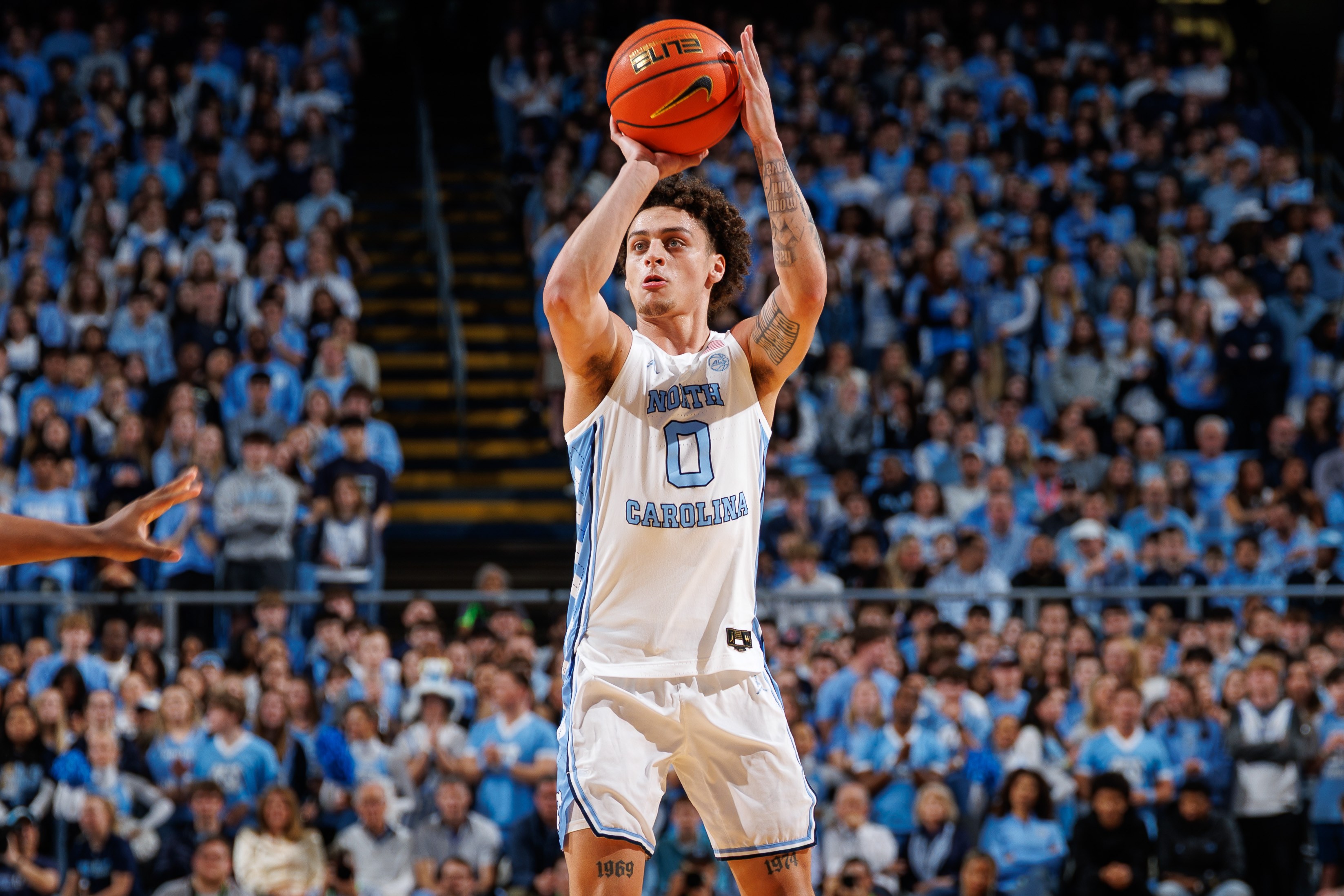
Key players: Jaylen Crocker-Johnson, 6-foot-8 senior forward, 13.4 points, 6.8 rebounds per game; Isaac Asuma, 6-foot-3 junior guard, 10.9 points, 3.7 assists per game; Bobby Durkin, 6-foot-7 senior forward, 10.2 points per game; Kyan Evans, 6-foot-2 senior guard, 4.0 points per game (North Carolina)
Minnesota benefits from bringing back three double-digit scorers from last season. There’s also hope that reuniting with coach Niko Medved will revive Evans’ college career after he posted rough numbers at UNC. The Gophers will need some of the newcomers with unproven production to stand out if they want to be in the postseason conversation.
15. Washington Huskies
2025-26: 16-17 (7-13)
Key players: Wesley Yates, 6-foot-4 junior guard, 12.7 points per game; Ryan Beasley, 5-foot-10 senior guard, 13.6 points, 4.0 assists per game (San Francisco); LeJaun Watts, 6-foot-6 senior forward, 11.8 points, 6.0 rebounds per game (Texas Tech); Wini Braga, 6-foot-9 freshman forward, four-star international prospect
Losing almost everyone from a team that massively underachieved last season isn’t a bad thing. However, the incoming class doesn’t offer much in terms of proven high-major production. Yates will be the lead guard for the first time with the Huskies, while Watts offers versatility on the wings. They’ll need Braga to be an impact frontcourt player if they’re to overachieve preseason expectations.
16. Oregon Ducks
2025-26: 12-20 (5-15)
Key players: Sean Stewart, 6-foot-9 senior forward, 6.5 points, 5.2 rebounds per game; Fred Payne, 6-foot-2 senior guard, 15.8 points per game (Boston College); Andrew Meadow, 6-foot-7 senior forward, 12.1 points per game (Boise State); Pharaoh Compton, 6-foot-8 junior forward, 7.5 points per game (San Diego State)
For a roster that already had questions coming into the season, the loss of longtime head coach Dana Altman could be a fatal blow before it even begins. A preseason loss to Seattle isn’t a good start for the Ducks but there’s still potential among the young backcourt pieces. The frontcourt, led by Compton and Meadow, should be good enough inside. Guard play will determine this team’s fate.
17. Northwestern Wildcats
2025-26: 15-19 (5-15)
Key players: Angelo Ciaravino, 6-foot-6 junior guard, 6.3 points per game; Jake West, 6-foot-3 sophomore guard, 5.3 points per game; LA Pratt, 6-foot-5 senior guard, 17 points per game (3 games at Northwestern); Jack Karasinski, 6-foot-7 senior forward, 21.7 points per game (Bellarmine)
It’s the first time in a while that Northwestern doesn’t come into the year with a clear-cut go-to option on offense that’s capable of going for 20-plus points. The hope is that Karasinski can pick up where he left off at Bellarmine, while returning guards such as West take advantage of larger roles in the offense.
18. Penn State Nittany Lions
2025-26: 12-20 (3-17)
Key players: Ivan Juric, 7-foot sophomore center, 10.2 points, 5.3 rebounds per game; Jay Rodgers, 6-foot-3 senior guard, 11 points, 6.9 assists per game (Central Connecticut); Brant Byers, 6-foot-8 senior forward, 14.2 points per game (Miami OH); Roberts Blums, 6-foot-4 junior guard, 12.4 points per game (Davidson)
Penn State’s path to escaping the bottom of the Big Ten comes in multiple ways. One is Juric having a breakout campaign after a strong freshman season. The other is the incoming transfer class collectively overachieving. Guys such as Byers and Blums can shoot the ball and Rodgers is a good passer, but will this team be able to defend enough to win games?
Meet your guide