
Big 12 basketball during commissioner Brett Yormack’s tenure is viewed as a top-tier conference, with national contenders at the top of the league and strong depth throughout the standings. Last year, both Houston and Arizona won 30-plus games, with the Wildcats going on to make the Final Four.
Just days before the start of the 2026-27 season, there are still plenty of unknowns throughout the league. More than half of the Big 12 have fifth-year player commits going through the legal process, with some currently eligible (for now) and some not (as of late October).
Still, focusing on those fully ready to go, there’s plenty of talent in the Big 12. Here’s a look at the preseason power rankings.
1. Arizona Wildcats
2025-26: 36-3 (16-2)
Key players: Motiejus Krivas, 7-foot-2 senior center, 10.4 points, 8.2 rebounds per game; Ivan Kharchenkov, 6-foot-7 sophomore forward, 10.4 points, 4.3 rebounds per game; Derek Dixon, 6-foot-5 sophomore guard, 6.5 points, 2.7 assists per game (North Carolina); Caleb Holt, 6-foot-5 freshman guard, five-star prospect
Despite losing two future first-round picks in the NBA Draft, Arizona still returns two key starters in Krivas and Kharchenkov, both set for much larger roles this year. Holt is the latest five-star to join the Wildcats and could be a future lottery pick. The key will be the young backcourt, with Holt joined by a pair of sophomore ball-handlers in Dixon and JJ Mandaquit, a 6-foot-4 guard from Washington who’ll also be in the rotation. If either of them break out, the Wildcats will be in a strong position to win 30-plus games again.
2. Houston Cougars
2025-26: 30-7 (14-4)
Key players: Jojo Tugler, 6-foot-7 senior guard, 8.4 points, 5.3 rebounds per game; Dedan Thomas Jr., 6-foot-1 senior guard, 15.3 points, 6.5 assists (16 games at LSU); Corey Hadnot II, 6-foot-3 senior guard, 20.4 points per game (Purdue Fort Wayne); Delrecco Gillespie, 6-foot-8 senior forward, 17.7 points, 11.3 rebounds per game (Kent State)
For the first time in years, Coach Kelvin Sampson doesn’t return at least one lead guard. But Thomas and Hadnot were two of the most prolific individual scorers from the portal, so offense shouldn’t be an issue. Neither will the defense, with former Big 12 Defensive Player of the Year Tugler back to anchor the interior. The Cougars’ ceiling is still to be determined but the floor should keep them in the top tier.

3. Iowa State Cyclones
2025-26: 29-8 (12-6)
Key players: Killyan Toure, 6-foot-3 sophomore guard, 8.6 points per game; Blake Buchanan, 6-foot-11 senior center, 8.5 points, 5.7 rebounds per game; Jamarion Batemon, 6-foot-3 sophomore guard, 6.6 points per game; Jaquan Johnson, 5-foot-9 junior guard, 16.9 points per game (Bradley)
There’s a chance the Cyclones could get their best player back from last year, but for now, look for former Missouri Valley Defensive Player of the Year Bradley and Batemon to be the lead guards. The defense, led by Buchanan inside, should remain elite, while Toure should be back around the start of Big 12 play to give them even more scoring on the perimeter.
4. TCU Horned Frogs
2025-26: 23-12 (11-7)
Key players: Xavier Edmonds, 6-foot-8 senior forward, 12.7 points, 6.5 rebounds per game; Micah Robinson, 6-foot-6 junior forward, 10.9 points, 4.7 rebounds per game; Brock Harding, 6-foot senior guard, 8.0 points, 5.6 assists per game; Gavin Sykes, 6-foot-4 sophomore guard, 19.4 points per game (Long Beach State)
TCU brings back three starters from last season, with Robinson and Edmonds forming one of the better frontcourt duos to watch. Harding is a steady guard, while Sykes was an outstanding scorer in his lone year in the Big West. Their ceiling could be even higher if any of the incoming JUCO transfers can have a sizable impact.
5. Texas Tech Red Raiders
2025-26: 23-11 (11-7)
Key players: JT Toppin, 6-foot-9 senior forward, 21.8 points, 10.8 rebounds per game; Dra Gibbs-Lawhorn, 6-foot-1 senior guard, 20.7 points per game (UNLV); Cruz Davis, 6-foot-3 senior guard, 20.1 points, 4.7 assists per game (Hofstra); Dakari Spear, 6-foot-5 freshman guard, four-star prospect
Texas Tech is massively depending on the five-in-five pending waivers, with as many as three potential starters possibly joining the roster. They also need Toppin, who is still recovering from a torn ACL injury suffered last year, to get healthy by around December. Until then, the Raiders will rely on the high-scoring combo of Davis and Gibbs-Lawhorn to have a major impact in the new-look backcourt.
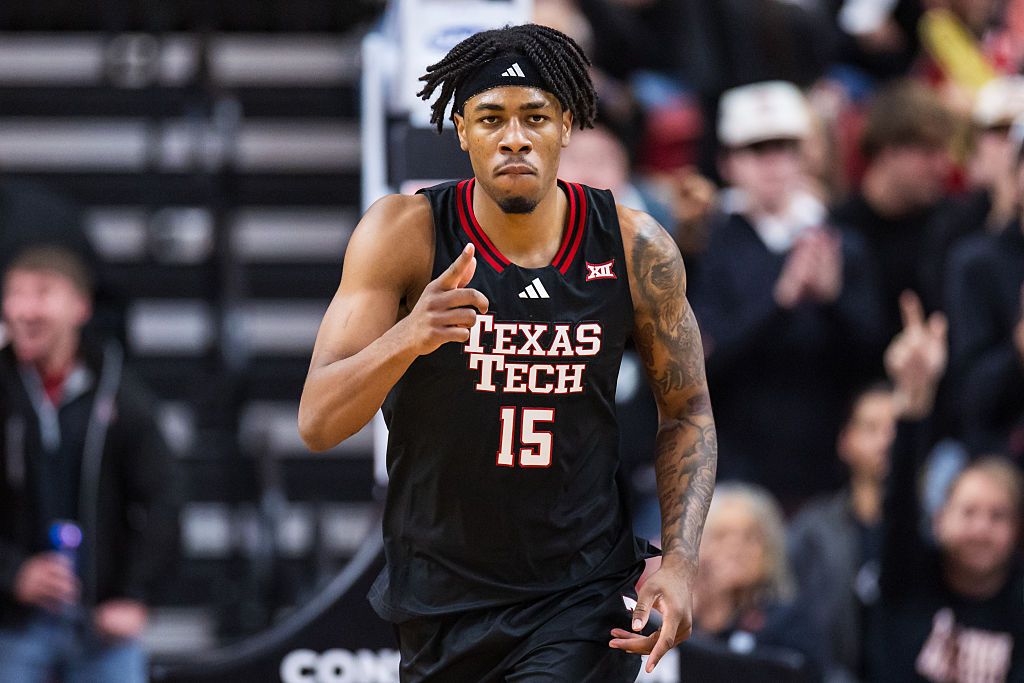
6. Kansas Jayhawks
2025-26: 24-11 (12-6)
Key players: Leroy Blyden Jr., 6-foot-1 sophomore guard, 16.4 points per game (Toledo); Keanu Dawes, 6-foot-9 senior forward, 12.5 points, 8.8 rebounds per game (Utah); Tyran Stokes, 6-foot-7 freshman forward, five-star prospect; Taylen Kinney, 6-foot-5 freshman guard, five-star prospect
Kansas is in a similar spot as Texas Tech, with three other possible starters in the mix. Regardless of who is available, No. 1 Class of 2026 prospect Stokes will be the team’s best player. Can he be a healthier versus of 6-foot-5 freshman star Darryn Peterson for the Jayhawks? The frontcourt also has to replace the impact of departed 6-foot-9 forward and Big 12 Defensive Player of the Year Flory Bidunga.
7. Cincinnati Bearcats
2025-26: 18-15 (9-9)
Key players: Tylen Riley, 6-foot-3 senior guard, 15 points, 4.4 assists per game (Tulsa); Myles Colvin, 6-foot-5 senior guard, 11.6 points per game (Wake Forest); Tyler Tejada, 6-foot-8 senior guard, 17.7 points per game (Towson); Riley Allenspach, 6-foot-11 senior forward, 13.6 points, 6.1 rebounds per game (George Mason)
First-year head coach Jerrod Calhoun has a completely new roster to work with, with plenty of capable rotational pieces. So far this preseason, it looks as if Riley will be the star of the team, going for 25-plus points in both public exhibitions. If he and another all-league candidate emerge, the Bearcats could be a surprise team.
8. Baylor Bears
2025-26: 17-17 (6-12)
Key players: Isaac Williams, 6-foot-2 junior guard, 10.4 points per game; Isaac Celiscar, 6-foot-6 junior forward, 13.2 points, 6.3 rebounds per game (Yale); Kayden Mingo, 6-foot-3 sophomore guard, 13.7 points, 4.3 assists per game (Penn State); Dylan Mingo, 6-foot-5 freshman guard, five-star prospect
The Mingo brothers are the faces of Baylor hoops this season. They’re off to a good start, with Kayden dropping 31 points in a preseason win over AP No. 1 Florida. There are still questions concerning the frontcourt depth and overall shooting, but this could be the team to get Baylor back onto the national radar.
9. BYU Cougars
2025-26: 23-12 (9-9)
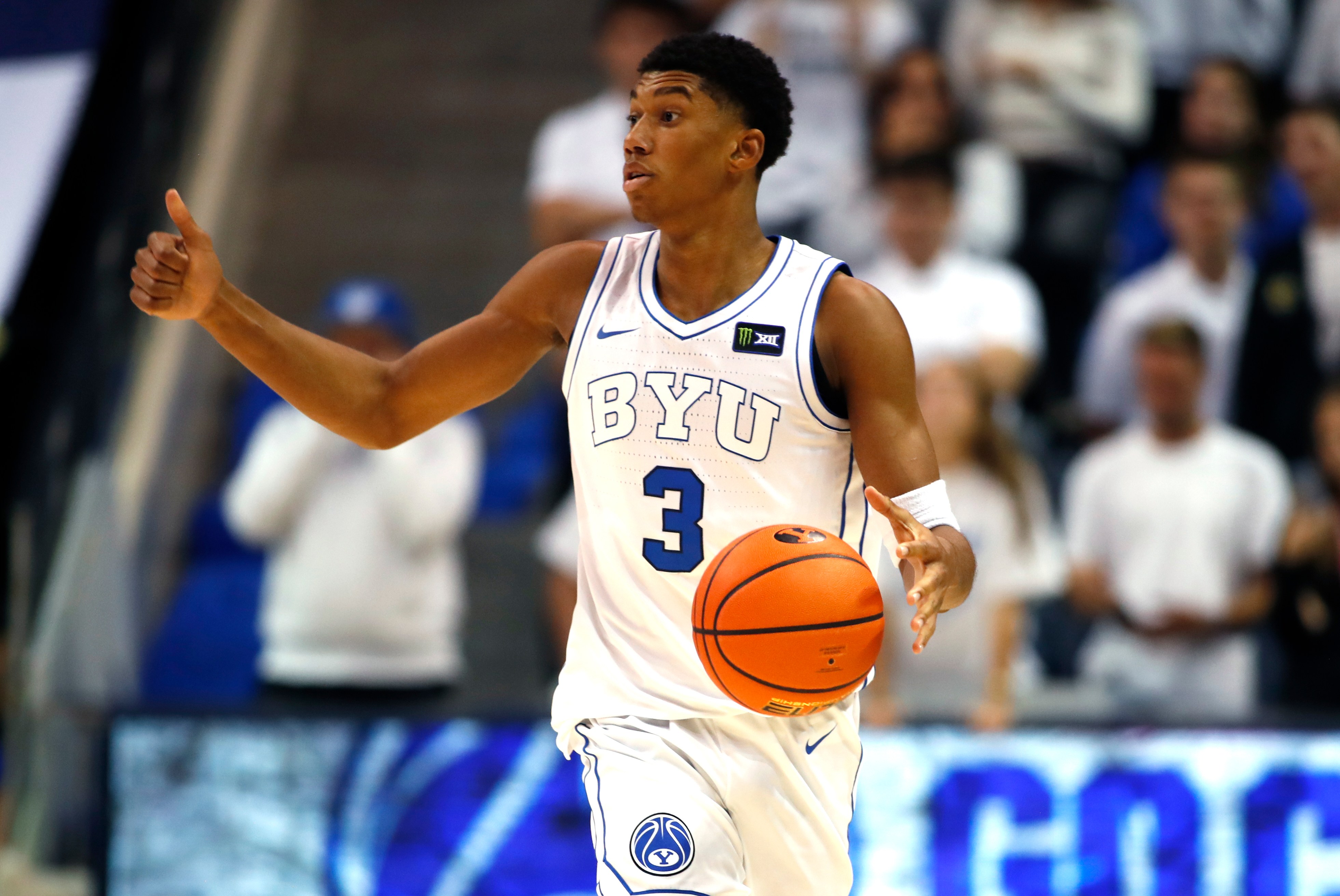
Key players: Robert Wright III, 6-foot-1 junior guard, 18.1 points, 4.6 assists per game; Dawson Baker, 6-foot-3 senior guard, 7.5 points per game (6 games); Collin Chandler, 6-foot-5 junior guard, 9.7 points per game (Kentucky); Bruce Branch III, 6-foot-7 freshman forward, five-star prospect
Another year, another BYU team that’ll be led by Wright in the backcourt. It’ll also be another year with the team having a five-star freshman (Branch) as a lead scorer, while Chandler comes back home with an expected larger role. Can Branch be anywhere near as good as departed top scorer and No. 1 NBA Draft pick AJ Dybantsa? That could determine how far they can move up the Big 12 ladder.
10. West Virginia Mountaineers
2025-26: 21-14 (9-9)
Key players: Finley Bizjack, 6-foot-4 senior guard, 17.1 points per game (Butler); Joson Sanon, 6-foot-5 junior guard, 7.9 points per game (St. John’s); Mouhamed Sylla, 6-foot-10 sophomore center, 9.6 points, 7.2 rebounds per game (Georgia Tech); Miles Sadler, 5-foot-10 freshman guard, five-star prospect
Another Big 12 program with a five-star freshman, as Sadler is a quality scorer who could lead the Mountaineers. He and Bizjack, who led Butler in scoring last year, should be one of the top backcourts in the country. Sylla is the key, as he showed signs of being a quality big man as a freshman at Georgia Tech and could be a breakout candidate inside.
11. Oklahoma State Cowboys
2025-26: 20-15 (6-12)
Key players: Kayne Clary, 5-foot-11 senior guard, 10.6 points, 4.6 assists per game; Jordan Burks, 6-foot-9 senior guard, 13.3 points per game (UCF); Julius Hakaifonua, 7-foot junior center, 9.5 points per game (Georgetown); Anthony Felesi, 6-foot-5 freshman guard, four-star prospect
Clary is the lone double-digit scorer back from last year’s core. The transfer portal batch brought in more solid role players, including Burks and Hakaifonua. Felesi, an early preseason standout for the Cowboys, could be an impact freshman in the rotation.
12. Arizona State Sun Devils
2025-26: 17-16 (7-11)
Key players: Bryce Ford, 6-foot-2 senior guard, 6.9 points per game; Joel Foxwell, 6-foot-1 sophomore guard, 15.6 points, 6.5 assists per game (Portland); Paulis Murauskas, 6-foot-8 senior forward, 18.4 points, 7.6 rebounds per game (Saint Mary’s); Ben Defty, 7-foot junior center, 15.1 points, 6.8 rebounds per game (Boston University)
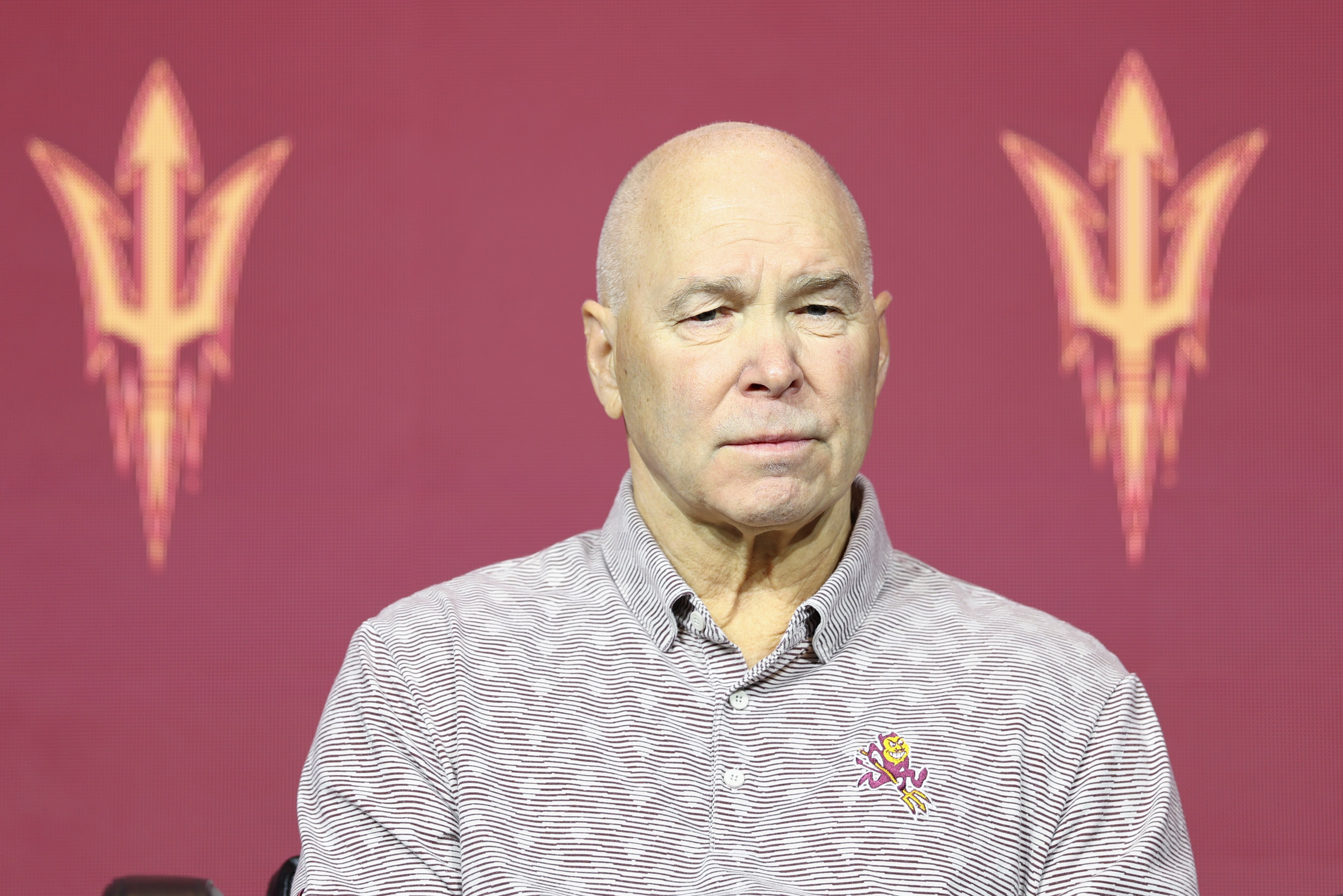
The most important newcomer to the Sun Devils is arguably Randy Bennett, who was the longtime coach at Saint Mary’s before moving over. He brings with him the Gaels’ leading scorer (Murauskas), along with multiple other former WCC players such as Foxwell to run the offense. The lack of proven high-major players on the roster is an early concern, but coaching shouldn’t be.
13. UCF Knights
2025-26: 21-12 (9-9)
Key players: Carmelo Pacheco, 6-foot-5 junior guard, 4.6 points per game; Dior Johnson, 6-foot-3 senior guard, 24 points per game (Tarleton State); Lewis Walker, 6-foot-6 junior forward, 18.9 points per game (North Carolina A&T); Isaiah Malone, 6-foot-8 senior forward, 10.5 points per game (Florida Gulf Coast)
The Knights were arguably the biggest surprise last year, making the NCAA Tournament with an underwhelming roster on paper. Coach Johnny Dawkins will have to do the same again after losing so many key pieces. One player he gets back from two years ago is Johnson, a top-five scorer in the country last year and the Sixth Man of the Year in the WAC. He’s likely the focal point of UCF’s offense, which could be good or bad.
14. Colorado Buffaloes
2025-26: 17-16 (7-11)
Key players: Barrington Hargress, 6-foot senior guard, 14.7 points, 4.5 assists per game; Jalin Holland, 6-foot-5 sophomore guard, 4.9 points per game; Justin Neely, 6-foot-5 senior forward, 17.9 points, 11.5 rebounds per game (UNC Greensboro); Noah Feddersen, 6-foot-10 senior forward, 9.3 points, 5.0 rebounds per game (North Dakota State)
Bringing back Hargress was big for Colorado, as he’s set to be the star of the program. They’ll need a couple of players from the freshman class to make an impact, while the undersized Neely will have to continue dominating on the boards. It’s a roster with some potential to move up, but the Buffaloes also could finish in the bottom-tier without some unexpected production emerging.
15. Utah Utes
2025-26: 10-22 (2-16)
Key players: Jackson Holcombe, 6-foot-7 senior guard, 16 points, 7.0 rebounds, 3.6 assists per game (Utah Valley); TJ Burch, 6-foot-1 junior guard, 12.4 points, 3.6 assists per game (Wright State); Taison Chatman, 6-foot-4 junior guard, 4.3 points per game (Ohio State); Malek Gomma, 6-foot-8 senior forward, 8.0 points, 6.9 rebounds per game (Weber State)
The Utes have little proven high-major production, so they’ll rely on Holcombe and Burch to be effective go-to players on the perimeter. If Chatman, a former top-100 prospect out of high school, can be a breakout candidate, that could be what gets Utah out of the Big 12 basement and moving in the right direction as a program.
16. Kansas State Wildcats
2025-26: 12-20 (3-15)
Key players: Jaden Schutt, 6-foot-5 senior guard, 7.7 points per game (Virginia Tech); Brandon Rechsteiner, 6-foot-1 senior guard, 12 points per game (Colorado State); Isaiah Abraham, 6-foot-7 junior forward, 4.8 points per game (Georgetown); JT Rock, 7-foot-1 junior center, 6.2 points, 3.5 rebounds per game (UNLV)
After firing Coach Jerome Tang, Kansas State moved forward with Casey Alexander from Belmont. But real growing pains could be on the way, with a roster with little high-major production. The majority of this roster are players looking for more playing time, or solid role players who were not stars at their prior stops.
Meet your guide