A day after Terrence Hill Jr. scored 34 points to help his VCU teammates overcome a 19-point second-half deficit and give North Carolina the bar bouncer treatment in the first round of the NCAA Tournament, Hoops HQ asked the 6-foot-3 sophomore guard, who lists writing as one of his hobbies, how he would describe his game.
“I’m not the fastest guy, so I use pace to my advantage,” Hill said. “I like to get my teammates involved. I’m a very creative passer. But when those big shots need to be taken, I’m the guy to call.”
It just so happened Tennessee coach Rick Barnes and his staff were on the lookout for a dude like Hill, so they could hand him the keys to the Ferrari of a team they’re building. That pitch, and a healthy bundle of NIL cash, proved irresistible to Hill, who had been heavily recruited by Kansas but took Barnes at his word when he said the last unchecked box on his professional bucket list was to coach a team to the national championship.
Hill announced his decision on April 19, but he’d made up his mind a few days before, during his recruiting visit to Knoxville. On the final day of his visit, Hill walked into a breakfast meeting and told Barnes and his staff he was coming.
“It surprised us (that Hill committed on his visit),” Barnes tells Hoops HQ. “We knew he was considering Kansas. But he loved what we’ve built here. He loved what we’re about — the program, the culture, the fans, the university. He wanted to be a part of it.”
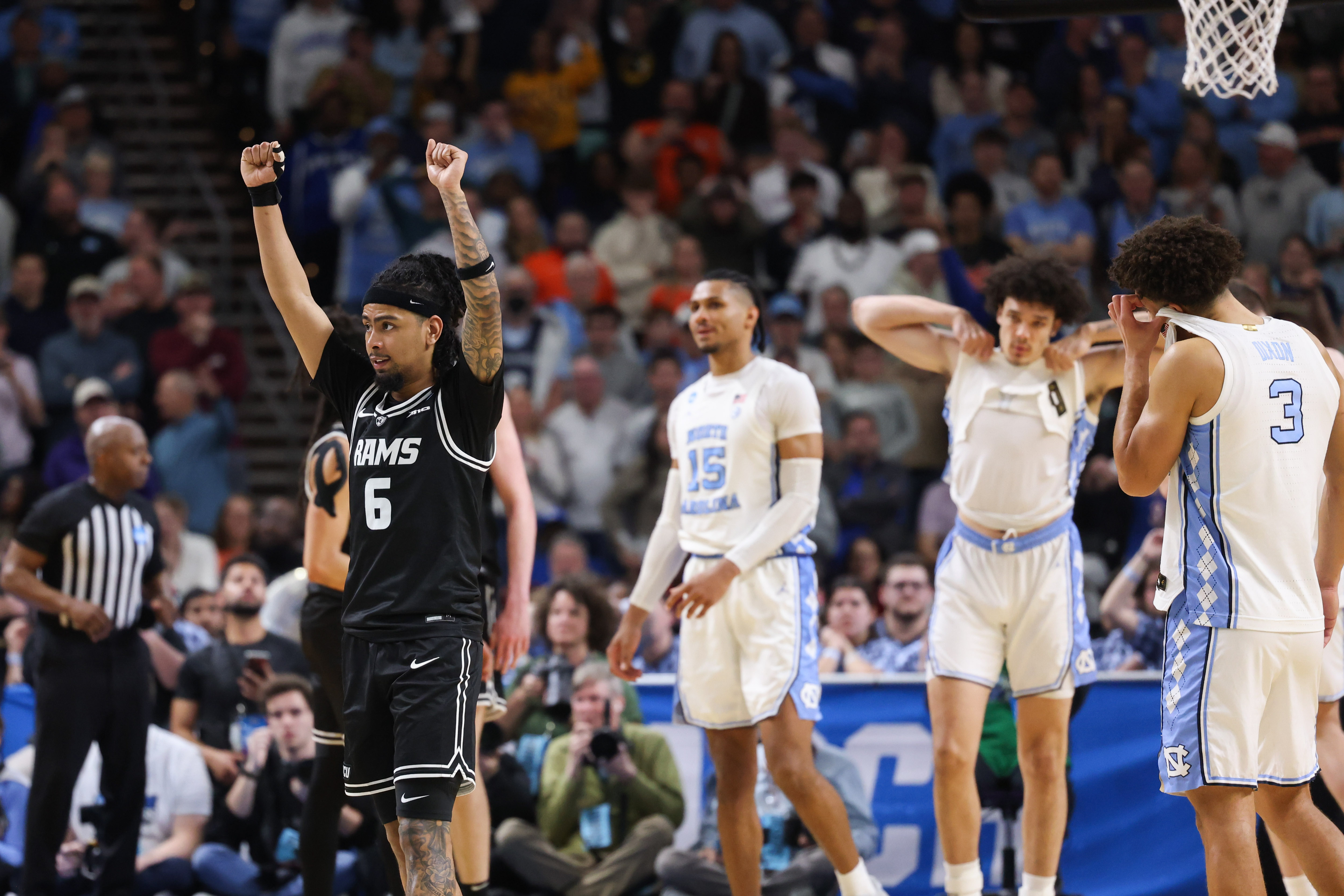
With that, Barnes and his staff could breathe a sigh of relief, though their roster rebuild — much of it achieved during a two-week span after their own ouster from the NCAA Tournament at the hands of eventual champion Michigan — remains a work in progress with two and perhaps three scholarships still available.
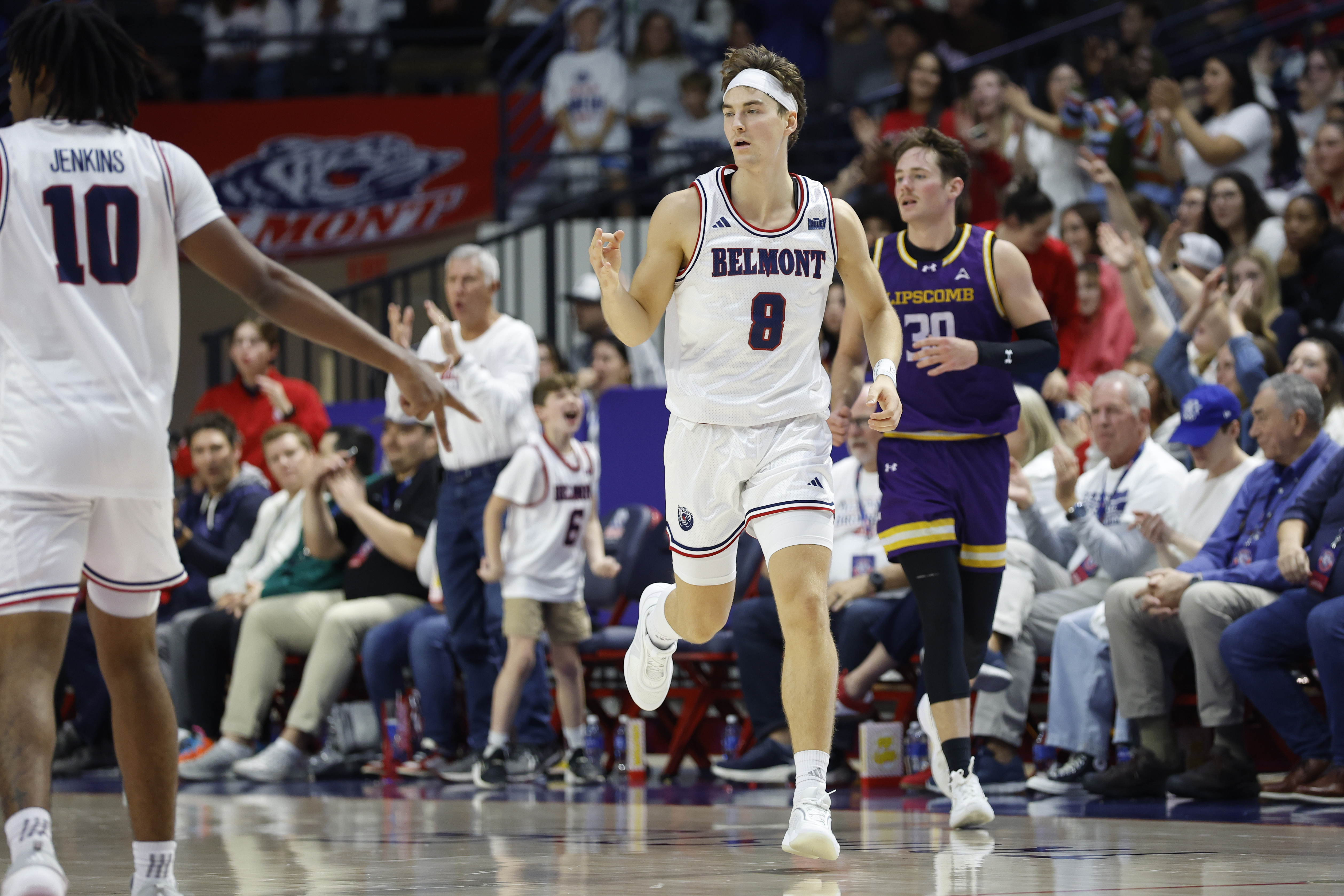
Tennessee wasted no time diving into the transfer market. Less than 24 hours after that Elite Eight loss to the Wolverines, the Vols were hosting Belmont transfer Tyler Lundblade, arguably the best shooter in the country, on an official visit. Tennessee’s NCAA compliance department got an assist on that critical headstart after telling Lundblade that, because he’s a graduate student, he didn’t have to wait until after the NCAA championship game to enter the transfer portal and thus begin his recruitment.
Barnes, who calls himself “old school” because of his career-long emphasis on defense and rebounding, has nevertheless changed with the times a bit and begun looking for more scoring punch. He and his staff have found enough of it in the portal to make three consecutive Elite Eight trips (behind Dalton Knecht in 2024, Chaz Lanier in 2025 and Ja’Kobi Gillespie this season), but not enough to go farther. The goal in this portal class was to round up so much artillery one player didn’t have to shoulder a disproportionate scoring load.
Lundblade — who led the nation in three-point shooting in 2024-25 and in free-throw shooting in 2025-26 — and Barnes hit it off immediately, in part because of their shared faith. Like Hill, Lundblade committed during his visit, giving Tennessee the spark it needed to quickly put together one of the nation’s best transfer classes, with a Top 50 high school player thrown in for good measure.
It seems absurd now, but after the portal opened on April 7, some Tennessee fans were concerned about a mass exodus from the roster. It was a given that senior point guard and SEC Newcomer of the Year Gillespie was gone and assumed that five-star freshman Nate Ament was bound for the NBA as a probable lottery pick. But when seven other players pressed the portal eject button, some fans, at least according to their social media posts, began to panic.
Barnes never dropped a bead of sweat. Not even after his trusted associate head coach Justin Gainey, on March 30, left to take over as head coach at his alma mater NC State. Barnes and his assistants focus on these frenzied days in April year-round, constantly evaluating their own players and those from other teams. That part isn’t groundbreaking — many staffs around the country wear out Synergy — but Barnes has adopted a philosophy different from many coaches, who do some of their most aggressive recruiting on their own players.
“Production over retention,” Barnes says, matter-of-factly.
It’s not that Barnes wouldn’t have wanted to keep some of his players who bounced, but when their NIL demands — or more specifically, the NIL demands of their agents — don’t mesh with the Tennessee coaches’ computations of their value, there was a quick parting of the ways.
Tennessee fans who weren’t hip to this sometimes-stone-cold method of negotiating wondered why starting power forward J.P. Estrella, starting guard Bishop Boswell and reserves Cade Phillips, Jaylen Carey, Amari Evans, Troy Henderson and Clarence Massamba hit the bricks, and so quickly, too. Henderson eventually decided to return, but the Tennessee staff still had to get busy filling several roster spots.
This is where analytics and analysis pointed the way. Though Lundblade, the Missouri Valley Conference Player of the Year who led the league with 115 made threes and 283 attempts and Division I in free-throw percentage (93.4) was a great start, Barnes encouraged his staff to find players with similar offensive efficiency. After Lundblade, next up was 6-foot-1 Cal guard Dai Dai Ames, who averaged 16.9 points last season on 46.4-percent shooting from the floor, 37.6 from three and 85.0 from the free-throw line. Ames will remind SEC fans of former Vanderbilt guard Duke Miles, not just because of his cross-country collegiate journey that had taken him from Kansas State to Virginia to Cal, but because of his crafty game, especially around the basket. And leave him open from three at your own peril.
Right behind Ames was Loyola Chicago’s Miles Rubin, an athletic 6-foot-10 junior who immediately filled two holes in Barnes’ roster; the coach was looking for a rim protector and a layup maker. Rubin, who owns Loyola’s career blocked shot record (237), also converts around the rim, a weakness for the Vols this year despite the fact they led the nation in offensive rebound percentage. In 2023-24 (68.5 percent) and 2024-25 (71.4 percent), Rubin led the Atlantic 10 in two-point percentage.
About a week after Ames and Rubin joined up, Tennessee pulled another double whammy, first signing one of the most coveted players in the portal — 6-foot-7 Notre Dame freshman Jalen Haralson, who averaged 16.2 points, 4.0 rebounds and 2.6 assists as a rookie. He was ninth in the country, per KenPom.com, in usage rate (33.6). A day later, the Vols also reeled in Tennessee’s top-rated high school player, 6-foot-9 Chris Washington Jr., who averaged 19 points and nearly 10 boards while leading Murfreesboro’s Providence Christian Academy to its second consecutive Division II-A state championship. At one time Washington was an Alabama commitment, but he reopened his recruiting last November and quickly had numerous high-major schools pursuing him.
As Barnes had hoped, the prospect of running a team with so much experience and firepower was a big key to signing Hill, a combo guard who will now focus on playing the point. Last season he was the A-10’s Sixth Man of the Year, Most Improved Player and a first-team all-league pick while leading the Rams in scoring (15.0 points), assists (102) and three-pointers made and attempted (81 of 219). He also shot 84.4 percent from the free-throw line. Hill has an efficient midrange game and excels in the pick-and-roll.
During all the player personnel movement, Barnes also found time to replace Gainey. After calling former Boston College coach Earl Grant — a long-time acquaintance from the coaching circuit — to inquire about a couple of his players, Barnes asked Grant about his plans. Grant told Barnes he wasn’t looking for a job. He was looking for an assignment. The next day, Barnes called Grant back and offered him an assignment. He’s now on the staff and is going to help introduce a couple of new wrinkles into Barnes’ system.
Barnes isn’t allowing himself to ponder the possibility of Ament returning, but if he does, that’s a huge windfall. And even if he doesn’t and provided those final four scholarships are as carefully filled as the previous six were, Tennessee — which also has three other freshmen in a top 15 class coming aboard — looks like a team capable of another lengthy NCAA Tournament run. The 71-year-old Barnes talks often about playing, as he puts it, “on the last Monday night.” Maybe 2027 is the year.
Meet your guide