The 2026 NBA Draft Lottery is officially less than one week away. In what is viewed as one of the most consequential lotteries in quite some time due to the consensus top four prospects — AJ Dybantsa, Darryn Peterson, Cam Boozer and Caleb Wilson — there is also some added intrigue further down the board.
As evidenced by 73 underclassmen declaring this year, the NIL era is having massive benefits for both the NCAA and NBA. As it should be, college basketball is becoming a development ground for the future players in the Association. In this new era of pay-for-play, the hope is prospects enter the pros more seasoned with less questions surrounding their long-term game.
Here are six prospects in the 2026 NBA Draft who stand out as instant contributors — with one big question holding them back from consensus top-of-the-board status.
Yaxel Lendeborg: Can he shoot?
Lendeborg enters the 2026 NBA Draft as one of the most polished, ready-made forwards in the class after a transformative senior season at Michigan. The veteran forward transferred from UAB, posted career-high efficiency numbers, and helped lead the Wolverines deep into the tournament with his motor, defensive versatility and rebounding prowess. He’s always been a high-IQ Glue Guy — elite instincts on the glass, switchable defender who can guard one-through-five in stretches and a willing passer who rarely turns it over. Scouts have long compared him to a more athletic Aaron Gordon type: a frontcourt connector who impacts winning without needing the ball.
The most pressing question remains his perimeter shooting. Lendeborg has steadily improved his jumper throughout his college career, but his percentages still hover around the low-to-mid 30s on solid volume. He shot better than 37 percent from three this season on more than four attempts per game, showing encouraging touch from the corners and above the break. The release is quick enough and the footwork is clean, but consistency remains the issue. At the NBA level, teams will ask him to space the floor for star creators and punish closeouts. If he can reliably hit 35-38 percent from deep while maintaining his defensive impact, he becomes a late-lottery to mid-first-round lock and a potential long-term starter on a contender.
Lendeborg’s age (turning 24 shortly after the draft) caps his ceiling, but his floor is extremely high. He’s the ultimate “no-risk” prospect — instant rotation minutes with zero developmental curve.
Keaton Wagler: Aggressive lead guard?
Wagler’s meteoric rise from mid-major recruit to consensus All-American and projected top-10 pick is one of the best stories of the season. The freshman used his size, craft and shooting to average nearly 18 points, 5 rebounds and 4 assists while leading the Illini on a Final Four run. He’s a polished pick-and-roll operator with elite vision and one of the best pull-up games in the class. Wagler’s 39.7-percent three-point shooting on high volume, combined with a 6-foot-9 wingspan, gives him instant positional size advantages.
The pressing question for NBA teams is whether he can be a true aggressive lead guard rather than a high-level combo. Wagler thrives in structured offense and off-ball actions, but he occasionally settles for jumpers instead of attacking closeouts or creating for others in traffic. His handle is solid and he rarely turns it over, but the explosiveness and burst to finish through contact or collapse defenses consistently are still developing. At the next level, Wagler will need to prove he can initiate offense against lengthier, more athletic defenders night after night.
If Wagler embraces the lead role and adds physicality to his game, his ceiling is a high-end starter who can run an offense and stretch the floor like a bigger, more polished version of Jeremy Lamb or early-career D’Angelo Russell. He already has the basketball IQ and shooting to play off the ball at an elite level. The aggression piece will determine if he’s a top-10 lock or a high-floor lottery player. Either way, Wagler is one of the safest, most translatable guards in this class.

Nate Ament: Can he flip the switch on the next level?
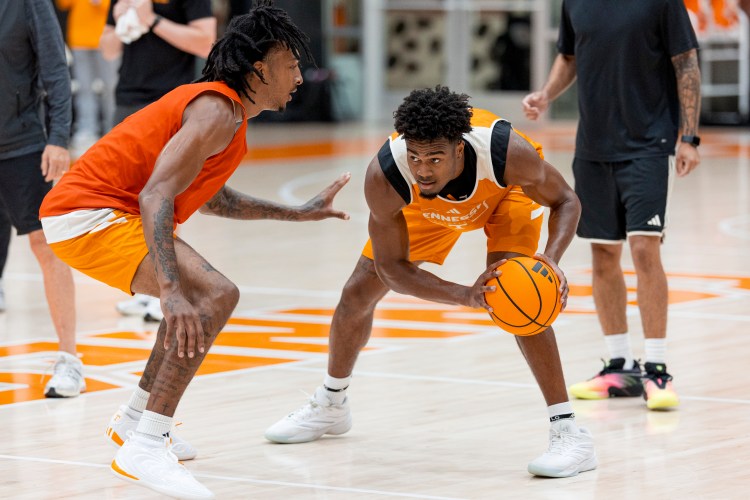
Ament arrived at Tennessee as one of the most hyped freshmen in recent memory — a 6-foot-10 wing with guard skills, fluid athleticism and legitimate shooting range. He flashed lottery-level upside throughout the season with smooth handle, vision and the ability to create off the dribble. His size allows him to play multiple positions, and his defensive tools (length, foot speed) project as plus on the perimeter and in help situations.
The most pressing question is his aggression. Ament too often plays passively, settling for jumpers or deferring rather than imposing his will physically. Rim efficiency was inconsistent early, and he occasionally disappeared in big moments when defenses crowded him. Scouts saw flashes of dominance — 25-plus point games where he attacked relentlessly — but the “flip the switch” consistency hasn’t been there yet. At the NBA level, where physicality and assertiveness separate good from great, that mental edge becomes critical.
If Ament learns to play with more force, attacks closeouts, and finishes through contact, his ceiling is a versatile two-way star who can initiate offense, space the floor, and guard multiple positions. He already has the skill set and basketball IQ to be a high-level connector. The tools are there; the mentality upgrade will dictate whether he becomes a perennial All-Star candidate or a solid two-way rotation piece.
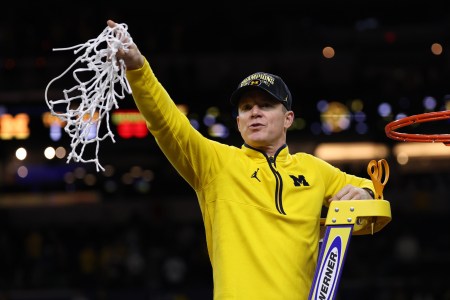
Hot Takes: Summer Recruiting, Dusty May, Eligibility and the 2027 NBA Draft
Seth Davis and Andy Katz discuss Dusty May’s jump to the NBA, the proposed 5-in-5 rule, the future of high school recruiting and more
Chris Cenac: High-upside traits with length, but can he be a reliable two-way force?
Cenac Jr. is the ultimate high-variance prospect in the 2026 class. The Houston freshman big man (6-foot-11, 240 pounds) possesses rare physical tools — elite length (7-foot-4 wingspan), explosive athleticism and mobility that allows him to run the floor and protect the rim at a high level. He was a menace on the glass and in transition, finishing above the rim at an elite clip while showing flashes of perimeter defense and developing touch from midrange and beyond.
The pressing question is whether he can become a reliable two-way force rather than a boom-or-bust athlete. Cenac’s game still has raw edges. His decision-making and consistency can waver, and he occasionally struggles to read offenses or maintain focus on the defensive end. Offensively, he’s primarily a lob threat and offensive rebounder right now; the self-creation and shooting consistency need significant work. NBA teams love the upside, but they’re wary of the developmental timeline.
If Cenac refines his footwork, improves his basketball IQ, and adds strength without losing explosiveness, he has legitimate All-Defense potential with enough offense to stay on the floor. He reminds scouts of a more athletic, longer Jabari Smith Jr. in some ways — high motor, versatile defender and developing stretch big. The tools are special. The reliability question will decide if he’s a mid-first-round steal with star upside or a project who bounces between the G League and end-of-bench minutes.
Cenac is one of those prospects who could significantly boost his stock into lottery-lock status during the Scouting Combine and predraft workouts.
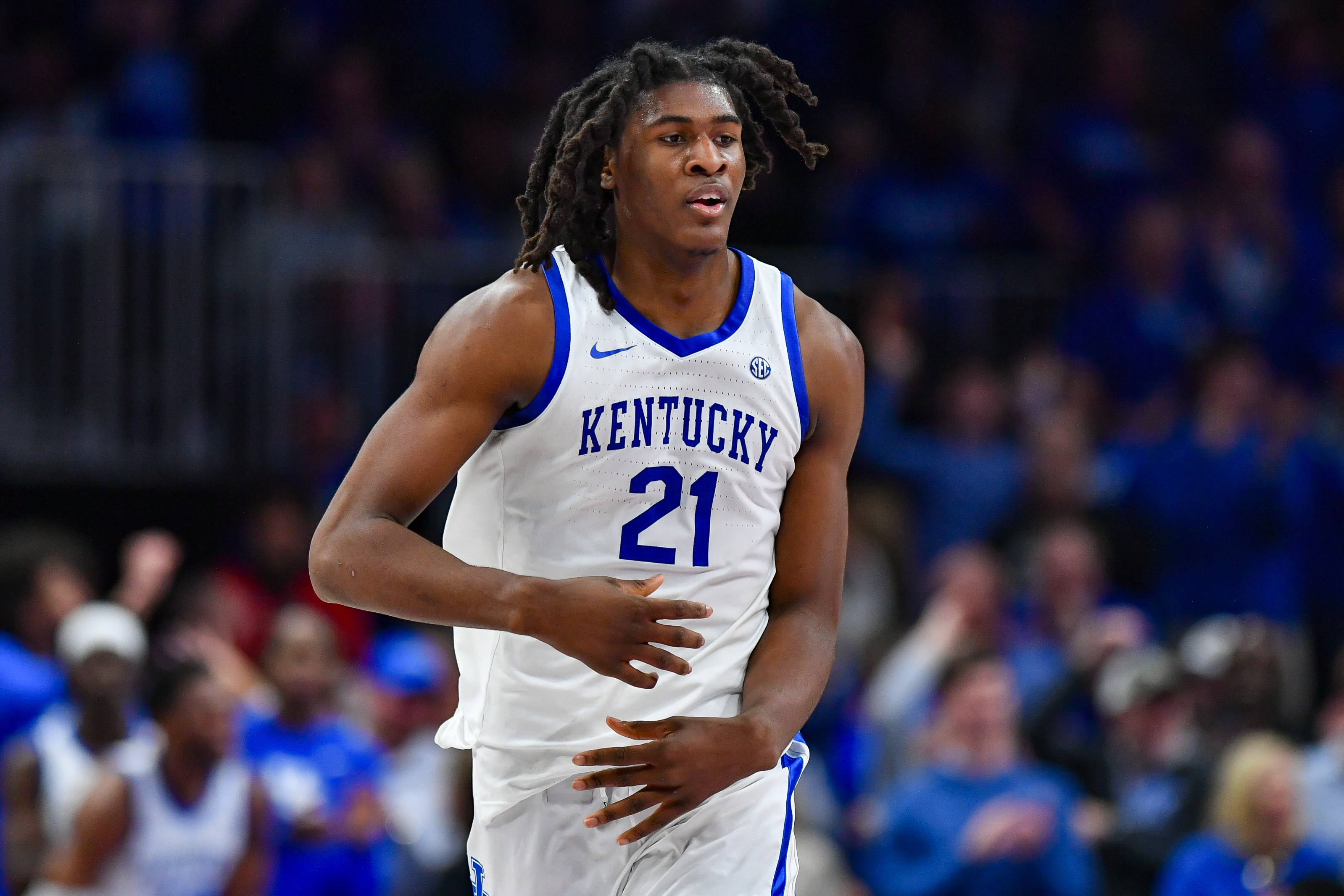
Jayden Quaintance: Elite traits but barely played the last two years. What is he on the next level?
Quaintance might be the most intriguing mystery man in the entire draft class. The Kentucky wing was once viewed as a potential top-five pick after an explosive freshman year at Arizona State where he blocked everything in sight and showed real two-way flashes. Then injuries — most notably an ACL tear — limited him to just a handful of games over the past two seasons.
The pressing question is simple: What does a healthy, fully developed Quaintance look like at the next level? When on the floor, his defensive instincts, timing, mobility and shot-blocking rate are special. He has the frame and athleticism to be an elite rim protector and versatile defender who can switch and recover. Offensively, he’s shown flashes of finishing, vision and even some self-creation on downhill drives despite limited reps.
Teams will have to bet on the unknown. The long-term ceiling remains sky high — an All-Defense caliber big with enough offense to be a starter. But the lack of recent tape, injury history and developmental questions create legitimate risk. Some scouts see him as the ultimate high-upside swing; others worry the missed time has stalled his growth. If Quaintance tests well medically and shows he’s back to full strength in workouts, he could climb back into the lottery conversation. The talent is undeniable. The sample size is the gamble.
Koa Peat: Great production, but does his tweener status and lack of elite length keep him at Arizona another year?
Peat put together one of the most impressive freshman seasons in the country at Arizona, averaging 14.1 points and 5.6 rebounds while playing with terrific physicality and motor. The 6-foot-8 forward is strong, quick for his size and has a polished feel for the game — he passes well, rebounds at a high level and finishes through contact.
The most pressing question is whether his tweener profile and lack of elite length are enough to overcome in the modern NBA. Peat isn’t a true stretch four or a rim-protecting five. He attempted very few threes as a freshman and projects as a below-average shooter at the next level for now. Without that spacing or dominant length on the perimeter or interior, some scouts see him as a high-floor role player rather than a high-upside difference-maker. NBA teams have already told him he’s an excellent candidate to return to school and improve his stock — specifically his perimeter game.
Peat’s production and intangibles are undeniable. Coaches love him. If he can add even average three-point shooting and continue developing his frame, he becomes a valuable two-way piece in the right system. But the current projection — mid-to-late first-round range — might not be worth leaving early. Returning to Arizona for another year of production under a top program could push him into the lottery and give him the spacing needed to stick in the NBA long-term. The decision is clear: shoot or stay.
Right now, for Peat’s own stock, returning to Arizona might be the best gamble to make in the NIL era.
Meet your guide