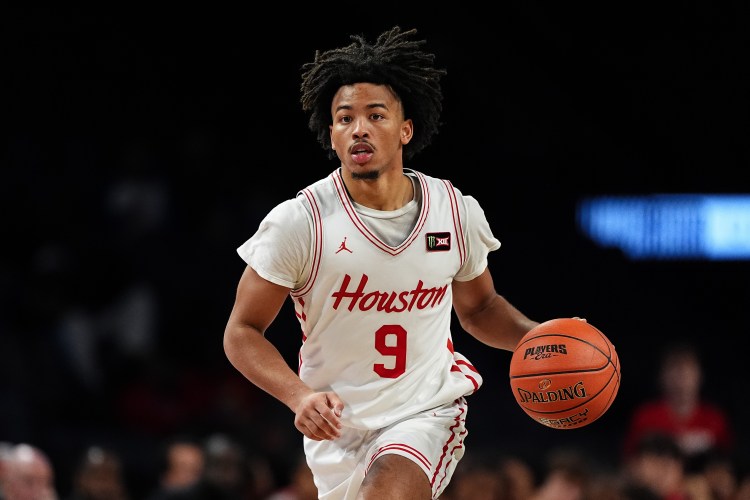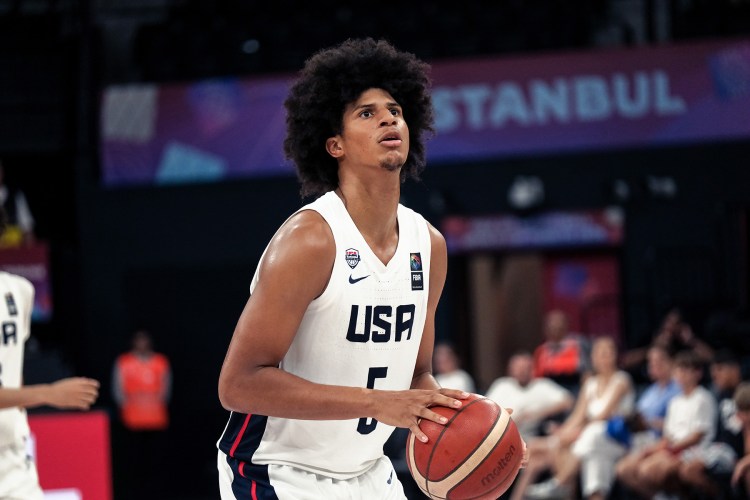

On Tuesday, LSU president Wade Rousse issued a statement justifying the school’s decision to add 6-foot-7 forward R.J. Luis to the Tigers’ basketball roster. The statement read in part: “LSU is committed to compliance with NCAA and SEC rules, but it is equally committed to obeying the orders of Louisiana’s courts.” Translation: We are playing Luis because we have no choice. A court has ordered us to do so.
Two days later, Rousse issued another statement which read: “In my role as President of the LSU system, after further review, I have instructed LSU men’s basketball coach Will Wade not to play RJ Luis.”
Question: How can both these things be true?
Answer: They’re not.
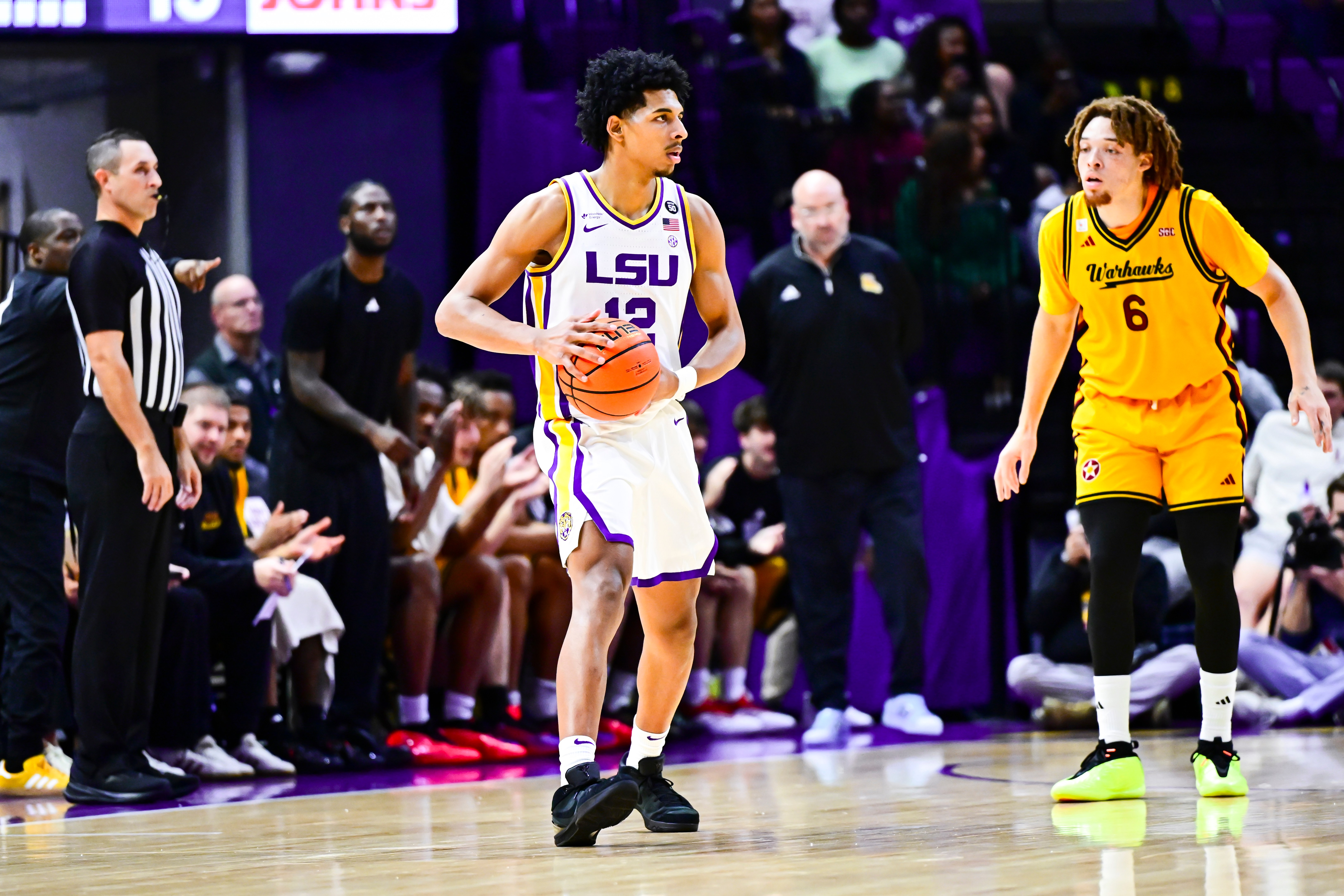
LSU has already demonstrated a great deal of chutzpah, risk tolerance, unconventional behavior and institutional arrogance in its handling of the R.J. Luis case. Now we can add deception. Rousse’s original argument that the school was compelled to play Luis was a major stretch to begin with, if not an outright lie. The tenuous legal justification was a reference in the temporary restraining order that suggested that LSU could not use fear of SEC penalties as justification. That position was undermined by the judge’s note to issue an injunction directly against LSU’s Board of Supervisors. Even if it could be legally argued that the school had no choice but to roster Luis, there was certainly nothing in there that remotely suggested they had to play him.
That last part is the most significant, because these decisions are called temporary restraining orders (and preliminary injunctions) for a reason. They are temporary and preliminary. The moment they are either stayed or overturned on appeal, the SEC could be free to act.
And make no mistake: act they would. Shortly after Rousse put out his misleading statement justifying his intentions to roster Luis, the league responded by declaring that “LSU‘s decision today to rely on its own interpretation of the Court’s order to justify its actions is inconsistent with the expectations and responsibilities of membership in the Southeastern Conference. This is a deeply concerning and disappointing development. The Conference will continue to uphold and defend the standards and policies established by its member universities.”
LSU’s decision to roster Luis clearly ran afoul of the enforcement policy the SEC established in August barring its schools from using athletes who had pursued pro careers. This was not a new rule so much as a re-affirmation of the one that had been in place for decades. The policy was issued in response to LSU football coach Lane Kiffin’s efforts to add two players who had entered the NFL draft. The next day the league published a new set of hefty penalties that included a fine of 50 percent of the sport’s annual operating budget and half-season suspension for the head coach. The unanimous 16-0 vote in favor of the policy included Rousse, although he abstained when it came to approving the penalties.
After being named the 2025 Big East Player of the Year at St. John’s, Luis entered the 2025 NBA Draft as a junior. Once he stayed in the draft past the NCAA’s deadline to return, he forfeited his collegiate eligibility for good, per NCAA rules. After going undrafted, Luis crossed another red line when he signed a two-way contract with the Utah Jazz and later an Exhibit 10 deal with the Boston Celtics. He played in three preseason games with Boston.
Once Luis expressed a desire to hire a lawyer and use the court system to regain his college eligibility, Wade recruited him to LSU. It seemed a long shot, but everyone else was using the courts in this manner. Luis and his legal team encountered several setbacks in this effort, but they finally got a big win on Nov. 13 when Baton Rouge Judge William Jorden issued a preliminary injunction granting him eligibility in defiance of the NCAA’s new five-in-five rule which did not include the high school Class of 2022. That makes Luis’ case similar to those of the nearly 200 fifth-year members of that class who are competing because of judicial relief.
Luis’ professional experience, however, separates him from the pack. Despite the obvious risk, coach Will Wade inserted Luis into the Tigers’ home game against UL Monroe Wednesday night. He played 15 minutes and had 11 points and 9 rebounds in a 79-67 win. Wade didn’t want to address the situation afterwards except to say that “everybody we played tonight is eligible.”

That was true at the time, and it remains so now. No one can know for sure whether the legal prohibition against the SEC penalizing LSU for playing Luis will hold up for all time, but even if it doesn’t, the situation further poisoned what was an already toxic relationship. The last time things got to the brink, the other schools in the league were initiating conversations about whether to expel LSU altogether if Kiffin played the former pros. When Kiffin retreated, the matter was dropped, but it could be restarted at any time.
The big question now facing LSU is whether those 15 minutes were enough to activate the penalties. It’s also possible that LSU could someday face the wrath of the NCAA under Bylaw 12.9.4.2, known as the “Rule of Restitution,” which states that the NCAA can impose penalties on a player or institution after an injunction is “voluntarily vacated, stayed or reversed or it is finally determined by the courts that injunctive relief is not or was not justified.”
It just so happened that a conference call of SEC presidents had been previously scheduled for Thursday. LSU’s defiance was not on the official agenda, but the matter was reportedly discussed, and the message to Rousse was clear: We are mad, and if you don’t back down we will take appropriate action. Suddenly LSU wasn’t so defiant anymore.
Luis still had some legal options after Rousse’s retreat, but he decided to voluntarily withdraw from the program and drop the fight. The weirdest thing about all of this is that LSU was already becoming a pretty good team. The Tigers’ 5-0 start includes a win over Gonzaga in Spokane that vaulted them into the rankings. Adding Luis could have potentially won them a few more games. Was that really worth the risk ticking off the rest of your own conference and potentially facing severe and expensive blowback down the road?
The answer should have been obvious, but LSU chose wrongly anyway. This is what arrogance does — it clouds judgement, compels dishonesty, and often produces negative outcomes. For some reason, LSU, Kiffin and Wade have decided that their best course is to play the villain card, over and over again. It’s one thing to cultivate that image to gain a competitive edge on the field or court. To intentionally alienate every other school in your conference is ludicrous. It could prove to be very, very costly. If that’s the case, LSU will only have itself to blame.
Meet your guide