
Heading into the weekend, the Protect College Sports Act was teetering on the brink of collapse.
The expansive federal bill — co-authored by Senators Ted Cruz (R-Texas), Maria Cantwell (D-Washington) and Eric Schmitt (R-Missouri) and aimed at bringing stability to the chaotic world of college athletics — had yet to garner the support of the Big Ten and SEC, the nation’s two biggest conferences.
Lawmakers were frantically negotiating with league officials, hoping to get their stamp of approval in time to bring the bill to the Senate floor before a monthlong recess begins on Aug. 7. But when the Senate adjourned for the week, the conferences remained in opposition, and the bill appeared to be on its last legs.
Then, in a stunning turn of events, both the Big Ten and SEC voted to back the PCSA late Friday night. “The Big Ten Conference and Southeastern Conference support the Protect College Sports Act as currently drafted, following detailed and productive negotiations with Senators Cruz, Cantwell and Schmitt and their respective staffs,” the leagues said in a joint statement. “We appreciate the substantial work that has gone into this effort.”
That shocking development paves the way for a vote on the Senate floor this week. Senate Majority Leader John Thune is expected to file for cloture on Monday, an essential step to initiate the process for a vote. With the support of all the power conferences, there is tremendous optimism that the bill will pass in the Senate prior to the recess.
“We are encouraged to see the Big Ten and SEC join the Big 12, the ACC and so many others in support of the Protect College Sports Act,” Big 12 Commissioner Brett Yormark said in a statement on Friday. “Broad alignment around a practical, sustainable framework that supports student-athletes, institutions, conferences and fans is an important step forward for college athletics.”
The Big Ten and SEC flipped their positions after the Senate committee made several concessions. The main concern of conference leaders was ensuring language in the bill was strong enough to prevent schools from circumventing the athlete revenue-share cap — which will be raised from $21.3 million to $48.8 million by the legislation — through “associated entities” such as corporate sponsors and multimedia rights partners.
According to Yahoo Sports’ Ross Dellenger, the latest version of the PCSA “requires school-affiliated sponsors and apparel brands to enter into an attestation process to certify that their NIL agreements are kosher, not directed by the school and that the compensation doesn’t originate from the school.” It contains similar language related to NIL deals from multimedia rights partners.
The updated bill also increases the retention pool — money that schools can use to retain athletes — from $20 million to $22.5 million, plus $5 million available exclusively for women and non-revenue sports.
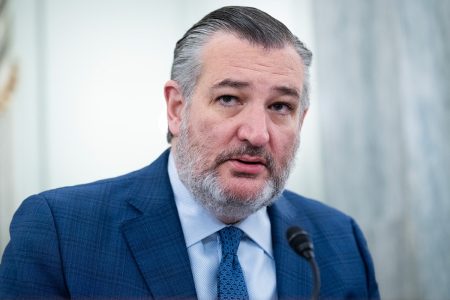
“I Believe We’ll Get It Done”: Senator Ted Cruz Hopes His Bill Will Fix College Sports
Cruz joined The Hoops HQ Show to break down the Protect College Sports Act, a new bipartisan bill that addresses transferring, eligibility and more issues affecting college athletics
Amid the hectic last-second negotiations, NCAA President Charlie Baker issued a statement imploring officials on both sides to come to an agreement.
“Without targeted intervention from Congress, college sports cannot set nationwide rules everyone can play by and without Congress, failed professionals will continue to use college sports as a fallback option — robbing the next class of young athletes of college scholarships,” Baker said on Friday. “It is long past time leaders across college sports call for the immediate passage of the bipartisan Protect College Sports Act — a bill supported by student-athlete leaders, Democrats, Republicans and NCAA schools from all three divisions.”
During an appearance on The Hoops HQ Show in late May, Sen. Cruz outlined many of the key components of the legislation, including limiting undergraduate athletes to one “free” transfer, establishing a five-year eligibility window that excludes professional athletes, instituting a strict cap and providing the NCAA with an antitrust exemption to enforce rules that have been challenged in the courts.
Even if it does clear the Senate this week, the PCSA would still have a long road ahead. But Friday’s dramatic turnaround marked a huge step in the right direction.
Meet your guide