
A flurry of legislative and legal activity has turned a normally quiet time on the college sports calendar into an absolute frenzy.
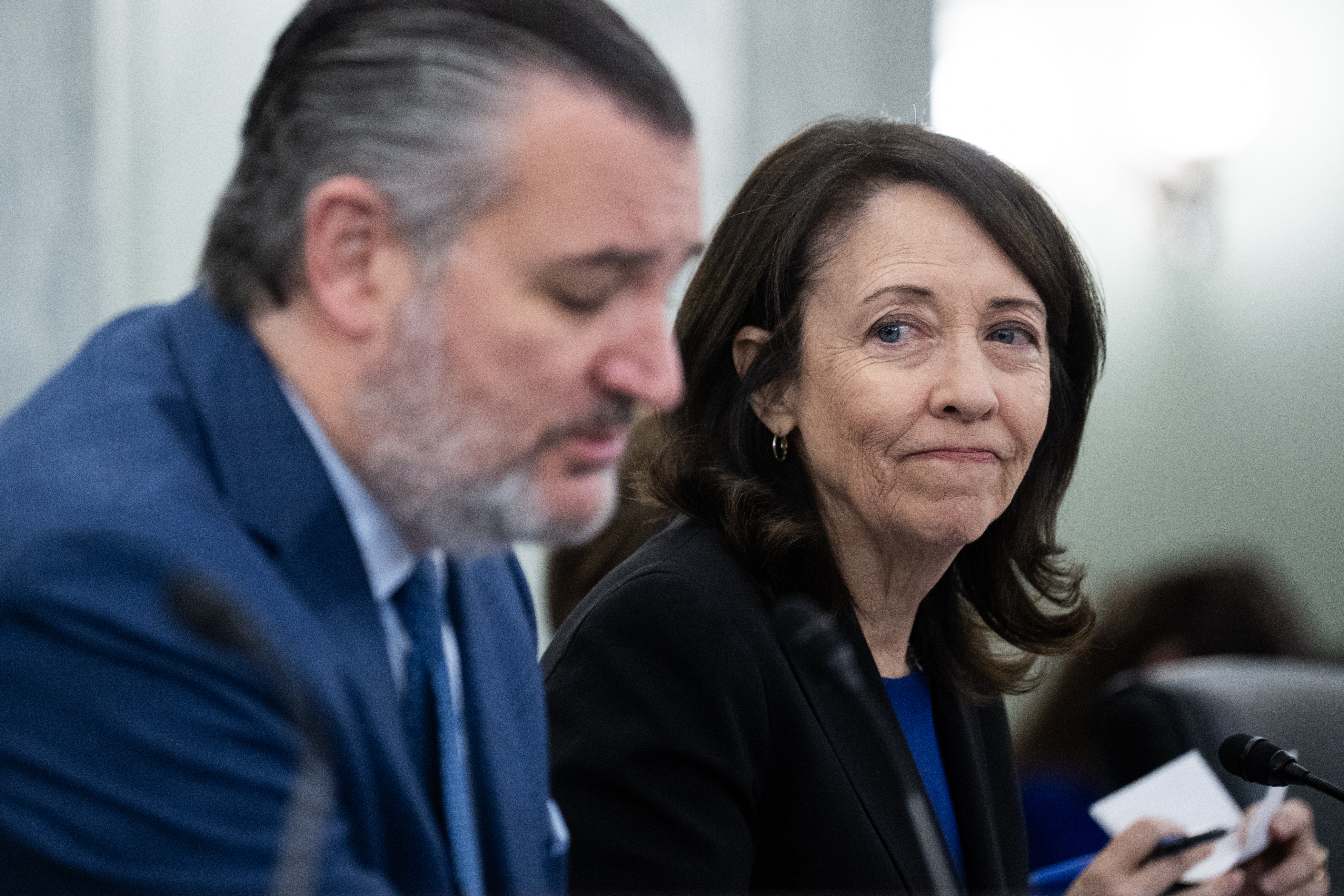
In the past week, there has been a frantic push to pass the Protect College Sports Act — the expansive federal bill co-authored by Senators Ted Cruz (R-Texas), Maria Cantwell (D-Washington) and Eric Schmitt (R-Missouri) — before a monthlong recess, prompting Senate Majority Leader John Thune to file for cloture on Wednesday.
Meanwhile, the NCAA’s new five-for-five eligibility model has sparked immense controversy after U.S. District Court Judge Charlotte Sweeney granted a class-wide preliminary injunction allowing all of last season’s seniors to compete for one more year. The NCAA immediately filed an appeal, calling Sweeney’s decision “egregiously wrong” in a memo to member schools.
The two pivotal developments, though not directly related, have combined to create a perfect storm in the college sports world — one that doesn’t appear to be passing quickly. Five-for-five and the PCSA were designed to bring order to a turbulent industry; instead, the battles over both have left college athletics in a state of even more confusion and turmoil, at least for the time being. While appeals, lawsuits and political debates rage on, the industry feels even further away from anything resembling stability.
For much of last week, the PCSA looked to be teetering on the brink of collapse. After extensive negotiations, the bill had yet to garner the support of the Big Ten and SEC, the nation’s two biggest conferences. Multiple deadlines passed without the leagues giving their stamp of approval to the heavily revised legislation.
Then, in a stunning turn of events, the conferences voted to back the bill late Friday night. The flip happened shortly after Judge Sweeney’s ruling in Wisne v. NCAA, as the seismic news seemed to galvanize league officials.
The Senate committee made numerous concessions to get the conferences on board, mainly addressing concerns over potential cap circumvention via “associated entities.” The latest version of the bill includes changes such as ensuring a hard revenue-share cap, adding certification requirements for multimedia rights holders, sponsors and apparel brands to ensure legitimate NIL deals, establishing a $22.5 million retention pool and closing the private equity loophole for forming a super league.
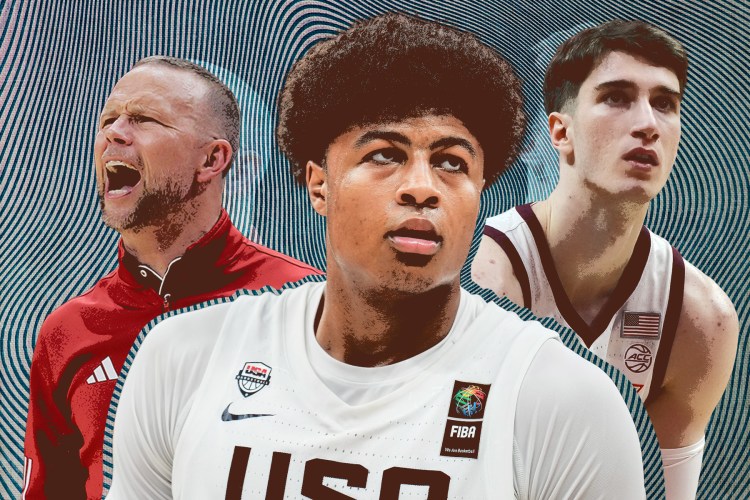
The Public Is Still Not Sold On the Protect College Sports Act
The NCAA committed a major turnover by not featuring student-athletes in its case for the bill. Is it too late?
And yet, despite all the work that’s been done, it remains unclear whether the PCSA will get to the Senate floor for a full vote prior to the recess. Senator Thune filed for cloture, but lawmakers are still up against the clock and would have to clear other bills from a loaded docket. Of course, even if the PCSA passes in the Senate over the weekend, it would face a lot more obstacles on its path to becoming law. And if it fails to reach the floor, the next legislative session isn’t until mid-September.
The future looks similarly bumpy for the five-for-five rule. As of Wednesday, the NCAA was still waiting for a decision on its appeal of Wisne v. NCAA. Several legal analysts told Hoops HQ’s Luke DeCock that the NCAA’s strongest argument is its objection to how quickly Sweeney moved to certify the graduating class. The appeal was filed to the U.S. Court of Appeals for the Tenth Circuit, which has a history of holding high standards for preliminary injunctions.
In a letter to membership following Sweeney’s ruling, NCAA Chief Legal Officer Scott Bearby wrote, “The court’s decision to certify a nationwide class and grant sweeping injunctive relief with virtually no evidence, and without witness testimony or even so much as a hearing, invites further chaos in college sports and irreparably harms thousands of student-athletes already on campus.”
Needless to say, if the decision in Wisne v. NCAA holds up, it will have major implications for the 2026-27 season. Plenty of recent graduates will be signed and become centerpieces for contending teams, while players already on rosters will likely see their roles diminished or snatched away. It is important to note that Sweeney’s preliminary injunction does not influence transfer rules, so impacted athletes who did not enter the portal during the open window in April may not be allowed to now.
Even if the NCAA wins its appeal, the floodgates won’t be completely closed. Many seniors have been granted injunctions in state lawsuits as well, including one in Georgia that just opened the door for 30 players to return (among them Texas Tech commit Jamichael Stillwell and Arizona commit RJ Godfrey). Should Wisne v. NCAA get reversed, those players would still be eligible. There are several more suits currently pending that could yield similar results.
For both five-for-five and the PCSA, a lot of questions will be answered in the coming days. A ruling on the NCAA’s appeal is expected soon and the immediate fate of the PCSA must be decided by the end of the weekend. But regardless of what happens, the issues at hand will be far from fully resolved — and, as has become the norm in college sports, chaos will continue to reign.
Meet your guide