
The NCAA has built a reputation for aggressively policing its March Madness trademarks. This year, it’s taking on DraftKings, one of the largest sportsbooks in the country, in a case that could become a unique battleground for how intellectual property law applies to the rapidly growing sports betting industry.
My initial take: The NCAA is in a strong position to win this case, and when and if it does, it will have reverberations across the rapidly expanding sports betting marketplace.
The complaint, filed in the U.S. District Court for the Southern District of Indiana during the opening round of the tournament, seeks damages and injunctive relief to stop DraftKings from using MARCH MADNESS®, FINAL FOUR®, ELITE EIGHT®, and NCAA SWEET SIXTEEN® in association with its betting products. On its face, the case fits within a familiar pattern: the NCAA attempting to prevent third parties from profiting off the goodwill associated with its most valuable event.
The NCAA has often successfully taken similar positions before, though typically in very different commercial contexts. Prior enforcement actions targeted uses such as “Markdown Madness” in car dealership promotions. Cases involving goods unrelated to the tournament itself are relatively straightforward: Third parties borrow the tournament’s imagery, benefit from its goodwill, and do so without permission… or payment.
This case is different. DraftKings’ product is not metaphorically referencing the tournament; it is built around the tournament and its stages, which define many of its betting markets. Those markets exist because the games exist. That creates a more complicated legal question. The closer a product gets to the underlying event, the stronger the argument that use of the mark may be necessary to identify it.
Trademark law accounts for that tension through nominative fair use, which permits a third party to reference a mark when necessary to identify the subject, provided the use is limited and does not suggest endorsement. DraftKings’ necessity argument has surface appeal, but it weakens when applied across the full range of its conduct.
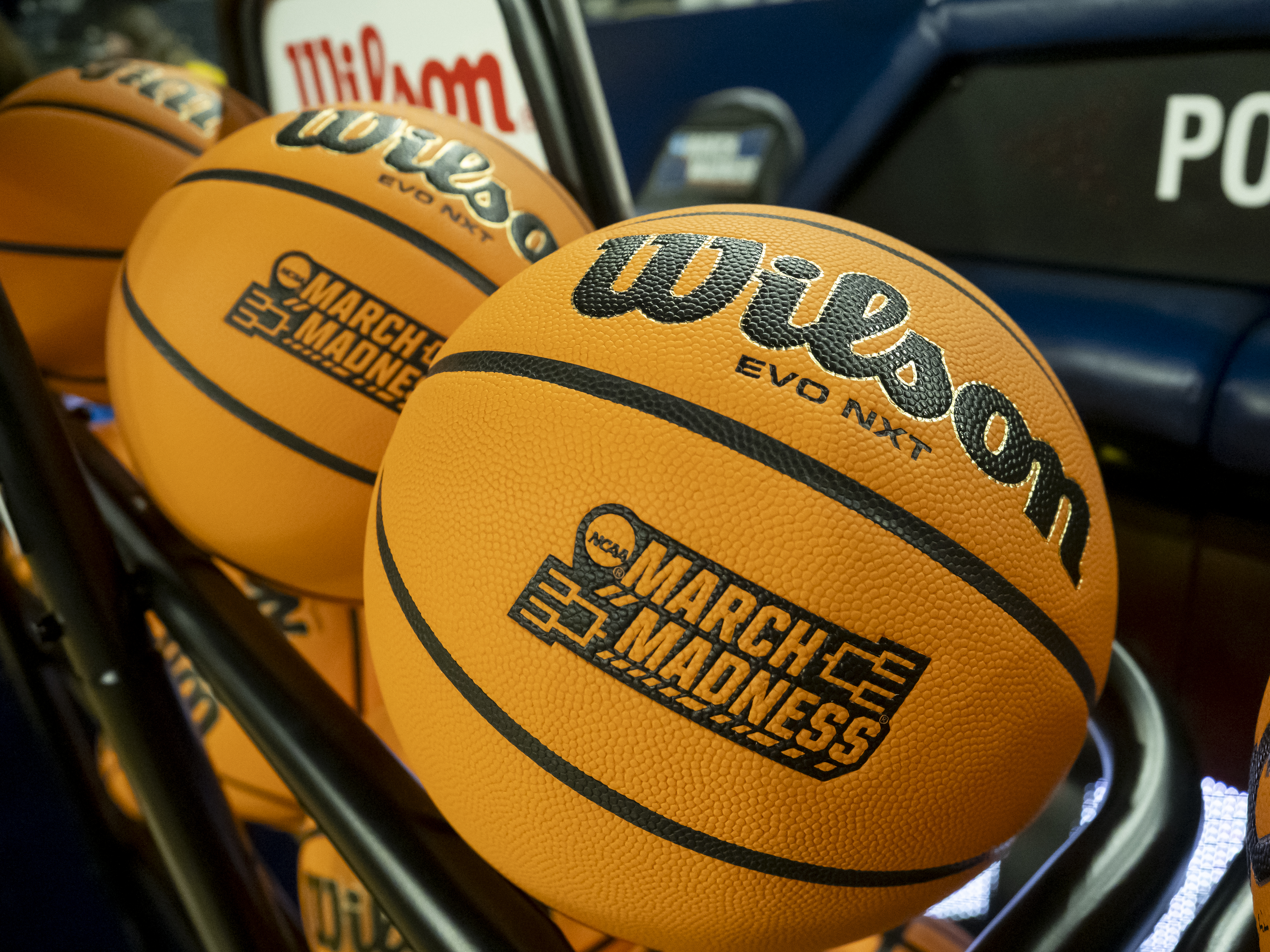
The evidence is hiding in plain sight. Competing sportsbooks routinely use descriptive alternatives, and the media does not default to “March Madness.” DraftKings’ own platform, in places, uses “NCAA Men’s Basketball Tournament” without apparent difficulty. As the NCAA’s filing notes:
“Numerous other similarly situated betting sites and companies use descriptive alternatives to the NCAA Basketball Marks, such as the Division I basketball tournaments, NCAA tournaments, or NCAA college basketball tournaments… Consumers have become accustomed to encountering non-infringing, descriptive alternatives.”
If necessity were genuine, none of that would be possible.
Futures markets tied to specific tournament stages present a harder case. Identifying a bet on who advances to the Final Four is meaningfully different from labeling an entire betting market “March Madness.” The stage name is not merely convenient; it is precise in a way that descriptive alternatives struggle to replicate. But that is a narrow carve-out, not a broad license.
The NCAA’s most interesting claim against DraftKings is dilution, specifically dilution by tarnishment. Unlike infringement, dilution does not require consumer confusion. Instead, it asks whether a famous mark is harmed by its association with a particular product or industry. Here, the NCAA leans heavily on its longstanding effort to distance itself from sports betting, noting that it has “purposefully avoided any appearance of affiliation with gambling companies…”
It then draws a direct connection to DraftKings’ conduct:
“Every day that DraftKings is permitted to continue its unlawful use of the NCAA Basketball Marks and confusingly similar variations on its gambling platform undermines the NCAA’s longstanding anti-gambling stances, erodes public trust, and inflicts continuing and irreparable harm on the NCAA’s reputation and the goodwill symbolized by its famous marks.”
Given recent point-shaving scandals in college basketball, this concern is not theoretical. This is not a distant, scandalous industry alluding to the tournament’s protected marks; it is a platform monetizing the tournament itself while attaching those marks to a category the NCAA has consistently treated as off-limits and lobbied against.
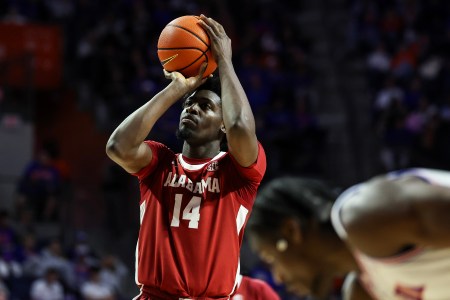
Judge Denies Charles Bediako’s Motion for a Preliminary Injunction
Bediako, a 6-foot-11 center, is no longer eligible to play for the Alabama Crimson Tide this season, a Tuscaloosa Circuit Court judge ruled Monday
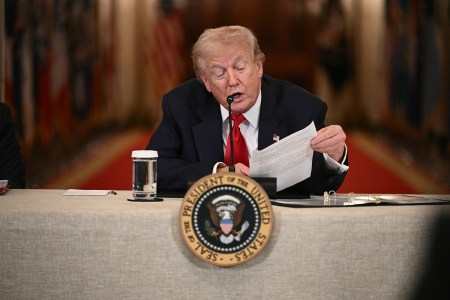
After President Trump’s “Saving College Sports” Roundtable, A Lot of Questions Remain
Hosted by President Donald Trump on Friday afternoon, the summit included leaders from across the sports industry, but no college athletes were invited to participate
DraftKings is not new to pushing the boundaries of sports-related intellectual property. The company recently faced litigation from the MLB Players Association over its unlicensed use of player images in connection with betting products, a case it defended in part on First Amendment grounds. Its response here follows a similar posture, asserting that its use of tournament-related language is protected and non-infringing.
In a statement, DraftKings said: “This is protected speech under the First Amendment and is not a violation of any brand’s trademark. We are confident that the courts will deny this request for an injunction.”
The MLBPA case ultimately settled. This dispute may not. While the NCAA routinely licenses its championship marks, it has historically been unwilling to extend those rights to sportsbooks, making it harder to reach a negotiated middle ground.
DraftKings has a legitimate need to identify the event. The NCAA has a legitimate need to control how its marks are used.
People hate nuance. But here is mine: DraftKings has a legitimate argument in one narrow context, that being futures bets tied to specific tournament stages. Everywhere else, it has a considerably weaker footing. The NCAA should prevail, and when it does, every major sports property with a trademark and every sportsbook that runs markets on its games will be watching closely.
Meet your guide