
Last season was a collective bounce-back campaign for the ACC, with eight programs making the NCAA Tournament. But losing had consequences as well, with five coaching changes occurring in the offseason. Many teams overturned their respective rosters, offering both questions and potential for the 2026-27 season.
Here’s an early look at how each ACC team stacks up heading into opening night.
1. Duke Blue Devils
2025-26: 35-3 (17-1)
Key players: John Blackwell, 6-foot-4 senior guard, 19.1 points per game (Wisconsin); Patrick Ngongba, 6-foot-11 junior center, 10.1 points, 5.8 rebounds per game; Caleb Foster, 6-foot-5 senior guard, 8.3 points per game; Joaquim Boumtje Boumtje, 7-foot-2 freshman center, five-star prospect
The Blue Devils are benefitting from the best of all worlds with this roster. They bring back four rotation players from a team that won 35 games, added one of the best scoring guards from the portal in Blackwell and have a top-three incoming freshman class, led by Boumtje Boumtje. If the defense remains one of the best in the nation, Duke will be the clear team to beat in the ACC.
2. Virginia Cavaliers
2025-26: 30-6 (15-3)
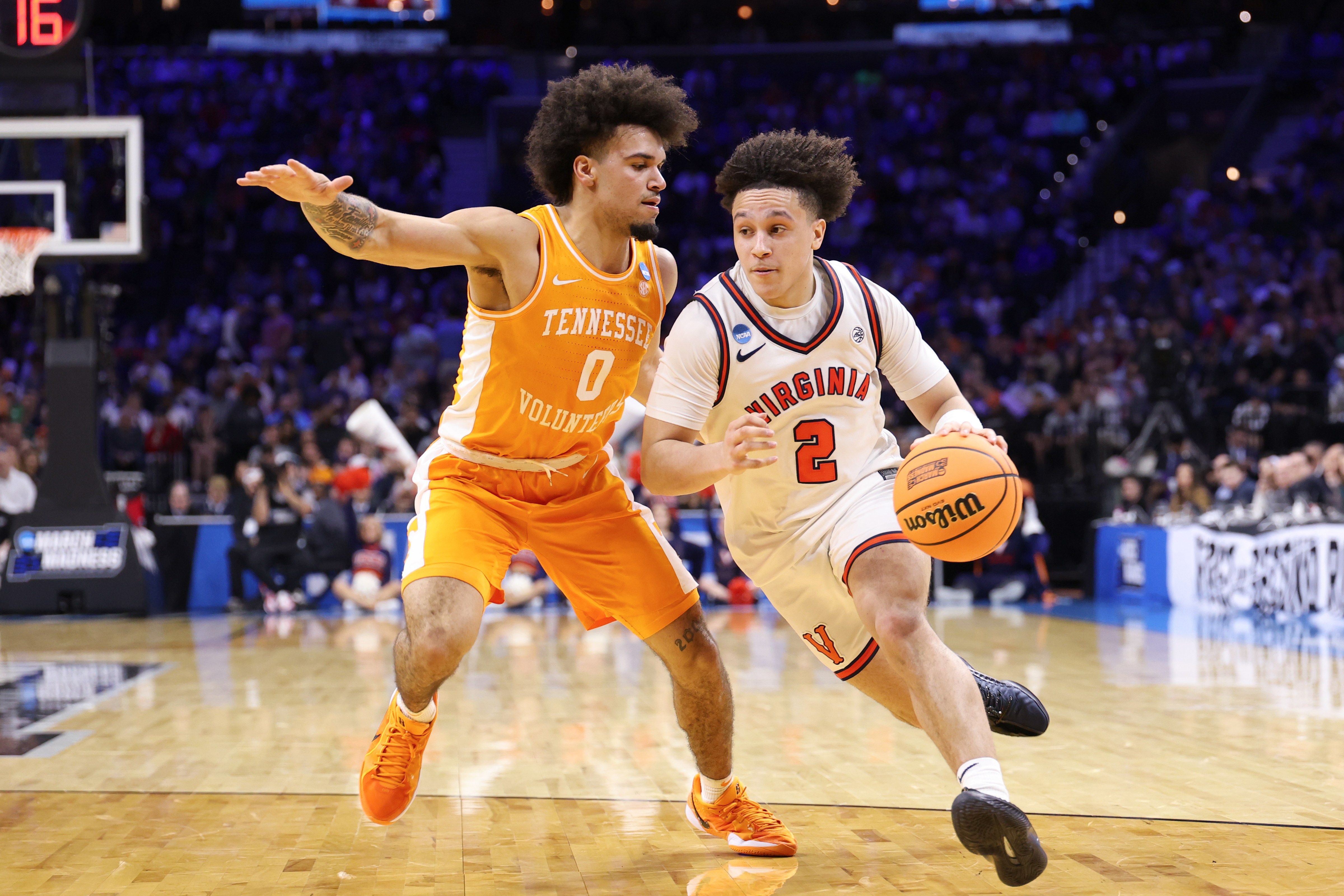
Key players: Thijs De Ridder, 6-foot-9 senior forward, 15.6 points, 6.2 rebounds per game; Sam Lewis, 6-foot-6 senior guard, 10.6 points per game; Chance Mallory, 5-foot-10 sophomore guard, 9.3 points, 3.4 assists per game; Christian Harmon, 6-foot-6 senior guard, 12.8 points per game
Bringing back everyone with eligibility from a team that won 30 games a year ago isn’t a bad thing. Whether the Cavaliers’ floor will be higher comes down to how much of a leap Mallory takes as a sophomore, now as the lead guard. But ACC Preseason Player of the Year De Ridder gives Virginia an All-American candidate capable of competing with the likes of Duke and other contenders.
3. Miami Hurricanes
2025-26: 26-9 (13-5)
Key players: Shelton Henderson, 6-foot-6 sophomore forward, 13.8 points per game; Acaden Lewis, 6-foot-2 sophomore guard, 12.2 points, 5.3 assists per game (Villanova); Somto Cyril, 6-foot-11 junior center (Georgia), 9.3 points, 5.4 rebounds; Galeb Gaskins, 6-foot-9 freshman forward, five-star prospect
There’s plenty of talent on the Hurricanes roster, led by Henderson, set to take an even larger role as a sophomore. Cyril is one of the top interior defenders in the country, while Lewis was a standout freshman guard at Villanova. Add 6-foot-8 junior forward and former Horizon League Player of the Year DeSean Goode (15.2 points per game at Robert Morris) and there’s plenty of depth for Miami to work with.
4. Louisville Cardinals
2025-26: 24-11 (11-7)
Key players: Adrian Wooley, 6-foot-5 junior guard, 8.7 points per game; Jackson Shelstad, 6-foot senior guard, 15.6 points per game (Oregon); Flory Bidunga, 6-foot-9 junior forward, 13.3 points, 9.0 rebounds per game (Kansas); Obinna Ekezie Jr., 7-foot freshman center, five-star prospect
When healthy, Shelstad is one of the top point guards in the country. He and Big 12 Defensive Player of the Year and quality rim-runner Bidunga should make for one of the nation’s top duos. Wooley is set up for a larger role as well in his second year with the program as one of the team’s best pure shooters.
5. North Carolina Tar Heels
2025-26: 24-9 (12-6)
Key players: Jarin Stevenson, 6-foot-9 senior forward, 8.1 points per game; Neoklis Advalas, 6-foot-9 sophomore guard, 12.1 points, 4.6 assists per game (Virginia Tech); Terrence Brown, 6-foot-3 senior guard, 19.9 points per game (Utah); Matt Able, 6-foot-6 sophomore guard, 8.8 points per game (NC State)
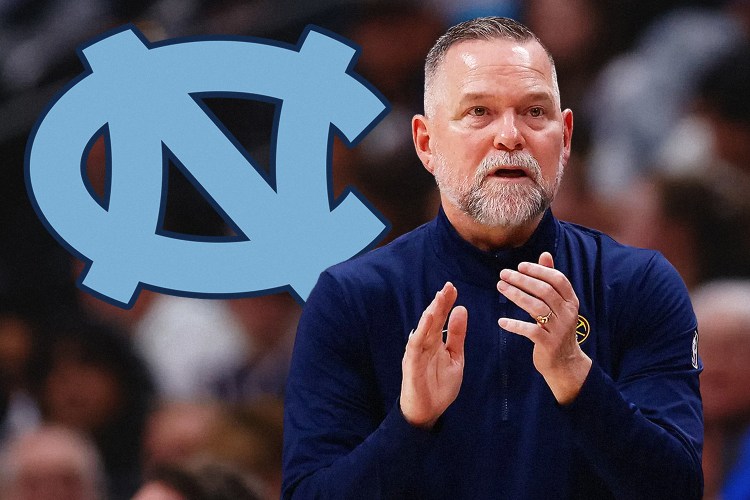
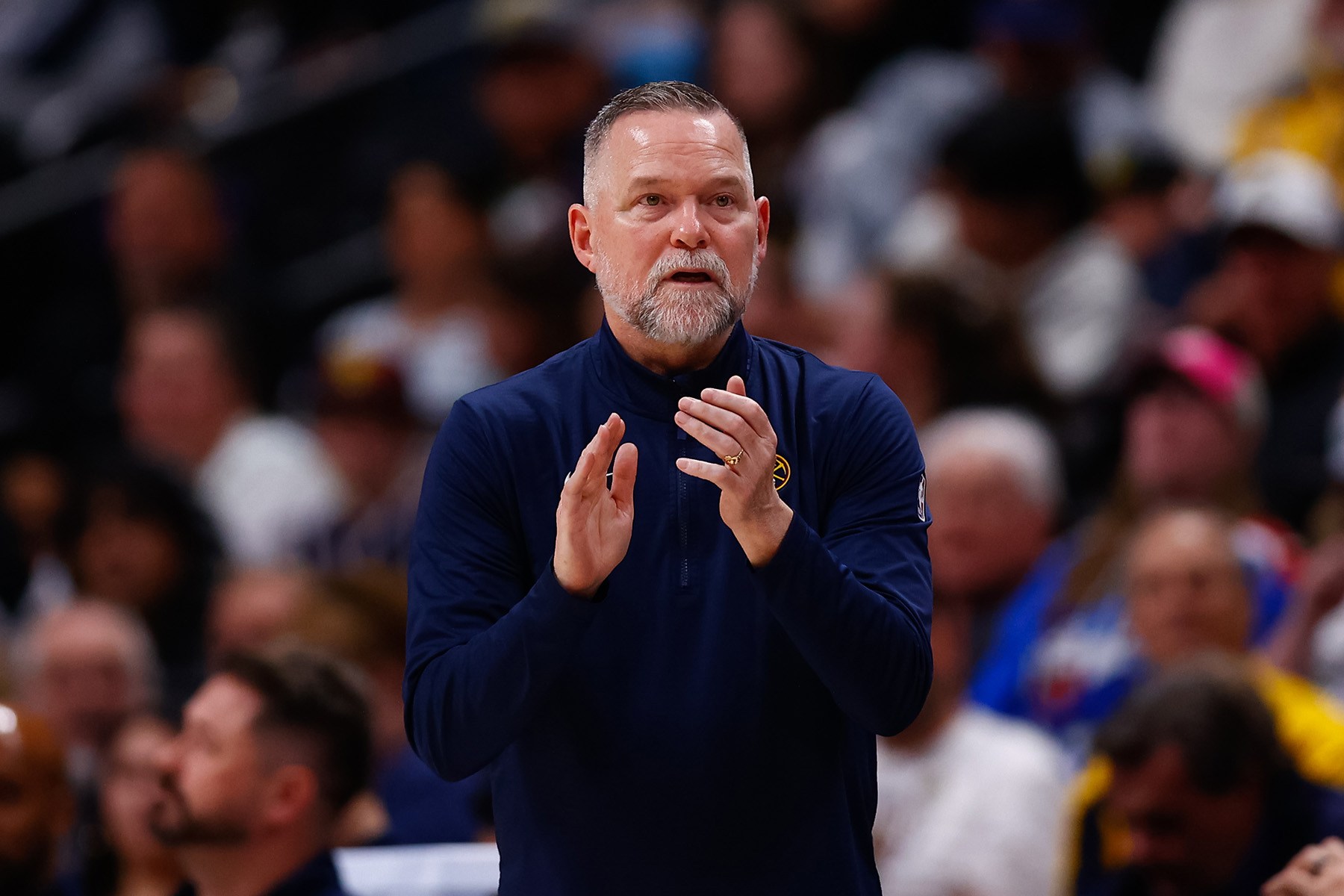
One of the biggest offseason splashes in the ACC came with the Tar Heels hiring former NBA champion head coach Michael Malone. He added several notable guards, led by NBA Draft candidate Avdalas. The key to the team could be incoming 6-foot-11 international freshman forward Sayon Keita, currently the projected starting big man.
6. NC State Wolfpack
2025-26: 20-14 (10-8)
Key players: Paul McNeil, 6-foot-5 junior guard, 13.8 points per game; Christian Hammond, 6-foot-4 junior guard, 15.6 points per game (Santa Clara); Darius Adams, 6-foot-5 sophomore guard, 10.8 points per game (Maryland); Kyle Evans, 6-foot-10 senior forward, 12.1 points, 8.7 rebounds per game (UC Irvine)
First-year head coach Justin Joyner was able to bring back key guard McNeil, along with several double-digit scoring guards from the transfer portal. Evans, a former Big West Defensive Player of the Year, will be highly important for the team’s defensive potential. Adams, a former five-star prospect out of high school, looks to improve after an up-and-down year at Maryland.
7. Clemson Tigers
2025-26: 24-11 (12-6)
Key players: Ace Buckner, 6-foot-2 junior guard, 8.3 points per game; Cole Certa, 6-foot-5 junior guard, 12.8 points per game (Notre Dame); Liutauras Lelevicius, 6-foot-7 junior guard, 8.0 points per game (TCU); Dylan Faulkner, 6-foot-9 senior forward, 17.2 points, 8.6 rebounds per game (Samford)
Coach Brad Brownell’s ability to have the Tigers in contention without national stars should likely continue, even with injuries mounting. Six-foot-2 junior guard Zac Foster’s season-ending ACL injury is a big blow, but the shooting that both Certa and Lelevicius add will help make up for that loss in the backcourt.
8. Virginia Tech Hokies
2025-26: 19-13 (8-10)
Key players: Amani Hansberry, 6-foot-9 senior forward, 14.3 points, 7.4 rebounds per game; Ben Hammond, 5-foot-11 junior guard, 13.2 points, 3.2 assists per game; Jaylen Curry, 6-foot senior guard, 10.1 points, 3.5 assists per game (Oklahoma State); Isaiah Elohim, 6-foot-5 junior guard, 12.4 points per game (Florida Atlantic)
There’s potential for the Hokies to move the ACC ladder, bringing back its top two scorers from last year in Hansberry and Hammond. The question will be whether the revamped supporting cast will be good enough to increase their win total. Curry, a consistent double-digit scoring guard throughout his career, should be a plus-add in the backcourt.
9. Pitt Panthers
2025-26: 13-20 (5-13)
Key players: Naithan George, 6-foot-3 senior guard, 10.9 points, 5.4 assists per game (Syracuse), A’lahn Sumler, 6-foot-3 senior guard, 18.9 points per game (Charleston Southern); Baye Ndongo, 6-foot-9 senior forward, 11.8 points, 8.1 rebounds per game (Georgia Tech); Armani Mighty, 6-foot-10 senior center, 13.2 points, 10.6 rebounds per game (Mercer)
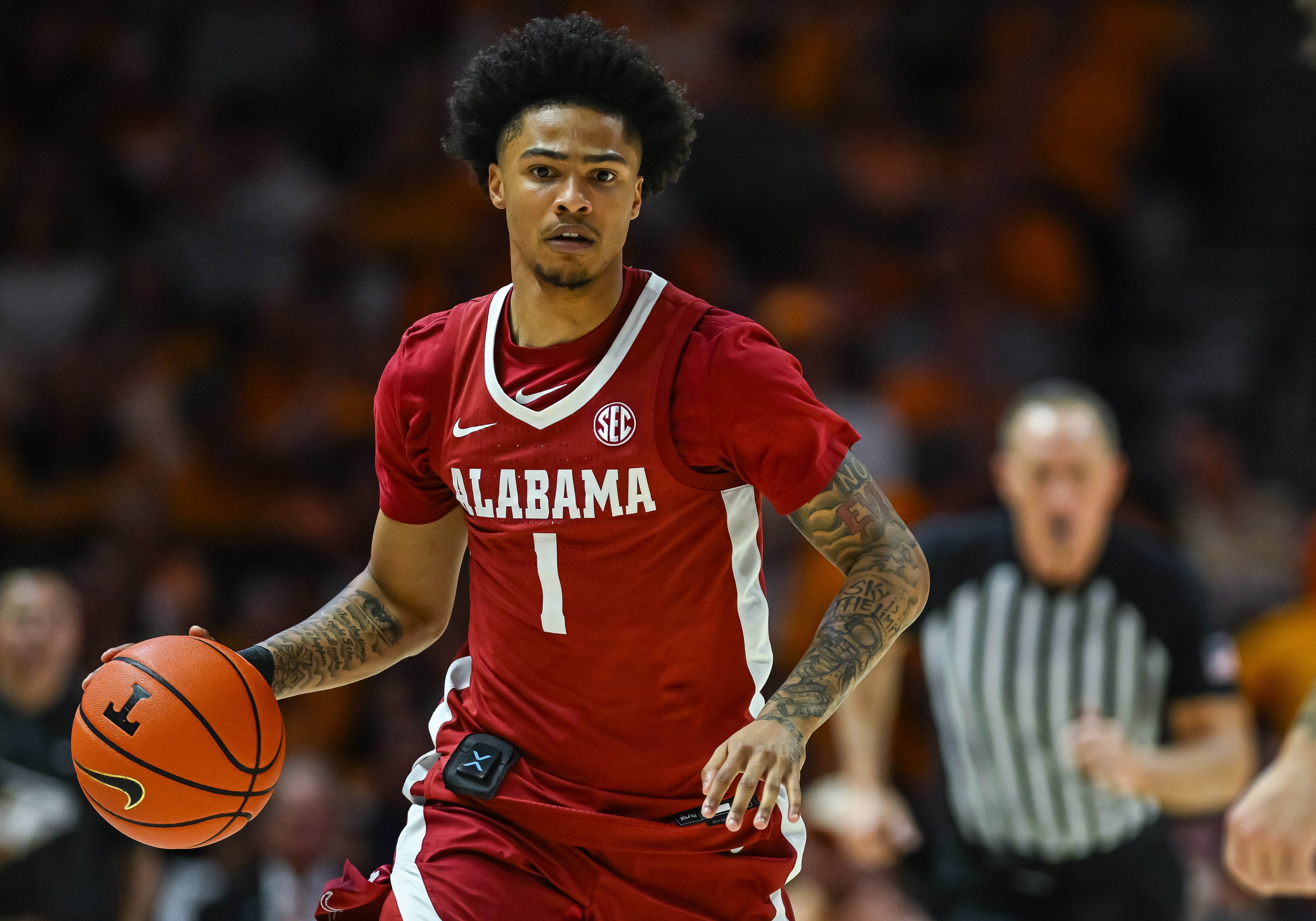
The Panthers completely turned over their roster after a down year, adding several players with past ACC experience. Ndongo and George reunited after going 17-17 two years ago at Georgia Tech. Jalil Bethea, a former five-star prospect out of high school who had limited production at both Miami and Alabama, is the key to raising the ceiling this season.
10. SMU Mustangs
2025-26: 20-14 (8-10)
Key players: Jaden Toombs, 6-foot-10 sophomore forward, 8.3 points, 4.6 rebounds per game; Jermaine O’Neal Jr., 6-foot-5 sophomore forward, 4.5 points per game; Rowan Brumbaugh, 6-foot-4 senior guard, 19.2 points, 4.5 assists per game (Tulane); Jaylin Stewart, 6-foot-7 senior forward, 4.2 points per game (UConn)
SMU had to replace all five double-digit scorers from last season and will be hoping for some breakout potential for multiple newcomers. Stewart comes from UConn and will have a larger role, while former top-100 prospect Brumbaugh is back in the high-major ranks after starting his career at Georgetown. Toombs, the top returning player from last year, is the key frontcourt player to watch as he’s set to be the focal point.
11. Syracuse Orange
2025-26: 15-17 (6-12)
Key players: Kiyan Anthony, 6-foot-5 sophomore guard, 8.0 points per game; Sadiq White, 6-foot-9 sophomore forward, 6.1 points per game; Aiden Tobiason, 6-foot-5 junior guard, 15.3 points per game (Temple); Gavin Doty, 6-foot-5 junior guard, 18 points, 6.9 rebounds per game (Siena)
Former Orange star Gerry McNamara returns to his alma mater as head coach, bringing with him multiple former Siena players. The two key players will be the returning sophomore duo of White and Anthony, both of whom are breakout candidates. The lack of proven high-major production on the roster is the early concern with this group.
12. Florida State Seminoles
2025-26: 18-15 (10-8)
Key players: Anthony Robinson, 6-foot-2 senior guard, 8.9 points, 3.0 assists per game (Missouri); Kameron Taylor, 6-foot-7 junior guard, 18.9 points per game (UNC Asheville); Shon Abaev, 6-foot-8 sophomore guard, 7.0 points per game (Cincinnati); Sebastian Rancik, 6-foot-9 junior forward, 12.3 points, 5.6 rebounds per game (Colorado)
Coach Luke Loucks’ first year was filled with ups and downs; can this group be more consistent? With the majority of the roster being underclassmen, that’ll be an issue. But if any of the six-man freshman group breaks out, the Seminoles could surprise. Especially if Taylor, who has been getting some offseason NBA Draft buzz, looks the part.
13. Boston College Eagles
2025-26: 11-20 (4-14)
Key players: Money Williams, 6-foot-4 senior guard, 20.6 points per game (Montana); Ernest Shelton, 6-foot-5 senior guard, 15.9 points per game (Merrimack); Andrija Bukumirovic, 6-foot-7 senior forward, 13.8 points, 7.8 rebounds per game (UT-Martin); Brandon Benjamin, 6-foot-8 sophomore forward, 14.2 points, 10.4 rebounds per game (Fairfield)
Two-time national champion assistant coach Luke Murray now leads his own program, adding several notable stars from the mid-major ranks. Williams was one of the top scorers in the country at Montana, while Benjamin and Bukumirovic will be positive additions in the frontcourt. The big question will be, how many rotation players are truly ACC caliber?

14. Stanford Cardinal
2025-26: 20-13 (9-9)
Key players: Aidan Cammann, 6-foot-10 junior forward, 6.5 points per game; Christian Bliss, 6-foot-4 sophomore guard, 16.7 points per game (Delaware); Austin Maurer, 7-foot junior center, 7.2 points per game (Seattle), Aziz Olajuwon, 6-foot-7 freshman forward, four-star prospect
The loss of 6-foot-2 freshman guard Ebuka Okorie (23.2 points per game) to the NBA was always going to be a major blow. The late pickup of Bliss in the backcourt gives the Cardinal a lead guard, but there’s still little proven production on the roster. The hope is that head coach Kyle Smith found another freshman gem, with Olajuwon being the early candidate to watch.
15. Wake Forest Demon Deacons
2025-26: 18-17 (7-11)
Key players: Kevair Kennedy, 6-foot-2 sophomore guard, 18.4 points, 4.2 assists per game (Merrimack); Jamari McDowell, 6-foot-4 sophomore guard, 3.3 points per game (Kansas); Justin Ray, 6-foot-3 junior guard, 11.3 points per game (Monmouth); Xavier Pintelon, 6-foot-11 senior forward, 6.2 points per game (Florida Atlantic)
Coach Steve Forbes has kept the Deacons in the middle of the ACC since he arrived, but a reported lack of resources has left the roster with major questions. Former MAAC/Metro Player of the Year Kennedy has star potential for Wake Forest but there’s a huge need for former four-star prospect McDowell to break out after serving in a limited role at Kansas.
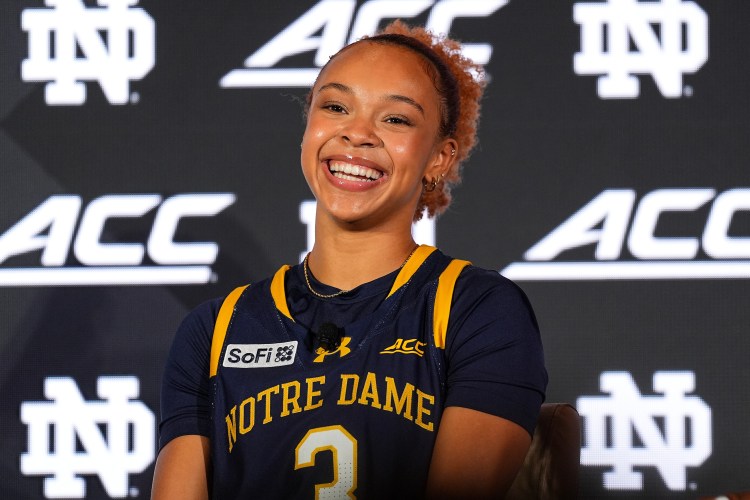
16. Notre Dame Fighting Irish
2025-26: 13-18 (4-14)
Key players: Braeden Shrewsberry, 6-foot-3 senior guard, 11.9 points per game); Brady Koehler, 6-foot-10 sophomore forward, 5.6 points per game; Ethan Roberts, 6-foot-5 senior guard, 16.9 points per game (Penn); Logan Duncomb, 6-foot-9 senior center, 18.3 points, 6.9 rebounds per game (Winthrop)
Coach Micah Shrewsberry lost several key pieces from last season but did keep his son Braeden as the projected focal point. Newcomers such as Roberts and Duncomb give the Irish an offensive boost, and 6-foot senior guard and former Patriot League Player of the Year Braeden Smith looks to bounce back after a down year at Gonzaga. But defensive concerns are clear on paper with this projected core.
17. Cal Golden Bears
2025-26: 22-12 (9-9)
Key players: Michael Cooper, 6-foot-3 sophomore guard, 13.4 points per game (Wright State); Nojus Indrusaitis, 6-foot-5 junior guard, 9.1 points per game (Pitt); Jordan Ross, 6-foot-3 senior guard, 6.7 points per game (Georgia); Jake Wilkins, 6-foot-9 junior forward, 4.9 points per game (Georgia)
All four players who put up at least 13.8 points per game last season are gone, replaced by an underwhelming group of newcomers. There’s potential that Wilkins has a sophomore breakout campaign in the frontcourt, and there’s shooting in the backcourt with Cooper and Indrusaiting. But the lack of a clear go-to guy on offense, combined with few options for someone to score 20-plus in a game gives the Bears a fairly low ceiling.
18. Georgia Tech Yellow Jackets
2025-26: 11-20 (2-16)
Key players: Kam Craft, 6-foot-6 senior guard, 7.3 points per game; Nasir Whitlock, 6-foot-2 senior guard, 20.5 points per game (Lehigh); Colby Garland, 6-foot-1 senior guard, 20.3 points, 4.6 assists per game (San Jose State); Victor Valdes, 6-foot-7 senior forward, 14.8 points, 4.5 assists per game (Troy)
It’s a new era at Georgia Tech, with Scott Cross coming from Troy to take over. Similar to Boston College and Syracuse, there’s a lot of unproven talent at the high-major level, relying on Whitlock and Garland’s scoring abilities to translate to the ACC. The lack of size and consistent shooting points to a year with more downs than ups for the rebuilding program.
Meet your guide