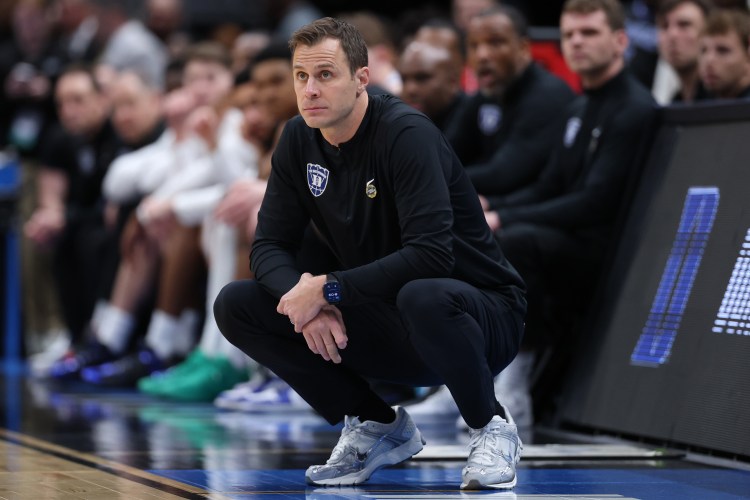
ROSEMONT, ILL. — Tony Stubblefield gave Dana Altman his space, waiting to see after an August two-week vacation if Altman had the energy to coach one more season.
He was hoping that he would. Stubblefield has been with Altman for all but three seasons during his 16-year tenure at Oregon, where he racked up a history-setting 382 wins with the Ducks.
Altman was just eight wins shy of 800 in his career.
But exhaustion got the best of Altman. He didn’t have the energy to go one more season. So, the weekend before Big Ten media day by O’Hare Airport in Chicago, Altman was done. He made it official on Oct. 6, sending Stubblefield to meet the league’s assembled media in his place.
“It was one of the hardest decisions he’s made in his life,’’ Stubblefield told Hoops HQ. “I don’t want to speak for him, but we all just saw the emotion. It was one of the hardest decisions he’s ever had to make and he made the right decision for him and what he thought was best for him and his family.’’
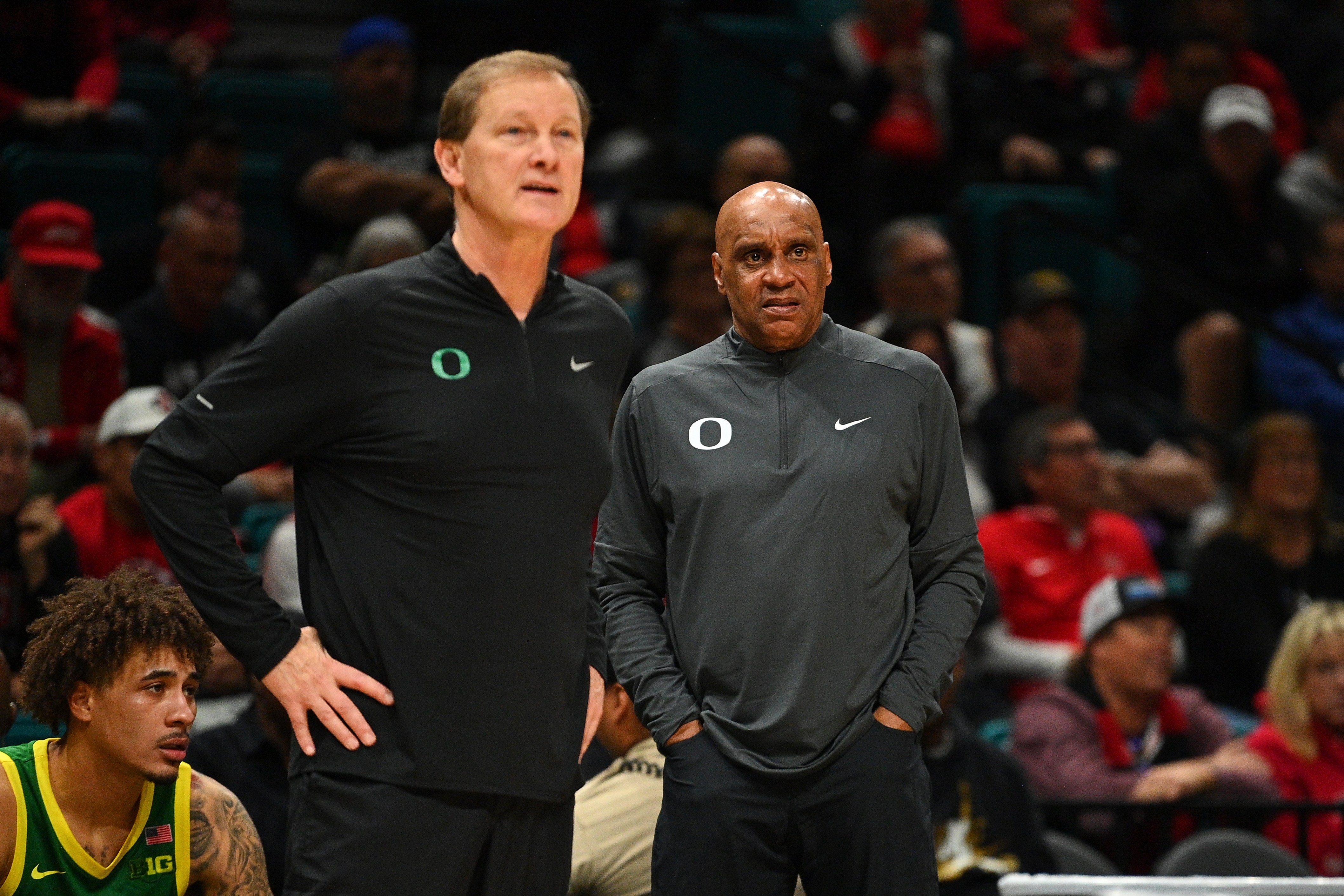
Stubblefield was named interim coach that same day. This is his second head coaching gig — he was the head coach for three seasons at DePaul from 2021-24 before he went back to Eugene. Altman had brought Stubblefield with him when he got hired in 2010. He had been the recruiting coordinator at Cincinnati and Altman wanted to get one of the best when he went west from Creighton to Oregon.
Stubblefield helped recruit a number of NBA-level players during his time at Oregon. And all the Ducks did was win, with 20-plus victories in all 11 seasons, plus eight NCAA Tournament appearances, five Sweet Sixteens, two Elite Eight appearances and one Final Four, as well as four regular-season and four conference tournament titles in the Pac-12.
So when Stubblefield’s DePaul experience went sideways, Altman didn’t hesitate to bring him back.
“I can’t even put into words what coach Altman has meant to me,’’ said Stubblefield. “After what happened to me at DePaul, I had some other opportunities. But I was always going to go back to Oregon. Coach has been a great boss. He’s been a great guy to work for, a great friend and I’ve learned so much from him on and off the court. He’s such a great person and he’s someone I can always bounce things off of on a daily basis.’’
Stubblefield’s second chance at leading a program comes just two seasons after his abrupt departure from DePaul. He was quick to thank DePaul athletic director DeWayne Peevy for the opportunity to be a head coach. DePaul has clearly upped the financial commitment since Chris Holtmann took over. That’s not abnormal. The next coach after a transition tends to get more resources.
That’s not to excuse DePaul’s three sub-.500 finishes during his three seasons, including his final campaign, in which he was relieved of his duties after going winless in the first seven Big East matchups.
“I came into a situation where NIL was just coming into place and we were probably a step or two slow to the trigger on that,’’ said Stubblefield. “But I want to be thankful for the opportunity that (Peevy) gave me. (Oregon is) a great situation from a resource and donors standpoint. We’ve got the type of young men who we feel can be successful in the Big Ten. They’re talented enough. I don’t question our talent or athleticism.’’
Stubblefield will be under the microscope to see if he can get the full-time gig. He’s not the only assistant put in this stressful position in the Big Ten. Michigan initially hired Mike Boynton as an interim coach to replace Dusty May (Dallas Mavericks), then put a full-time tag on him — but only for two seasons.
Brandin Knight is the interim coach at Rutgers while head coach Steve Pikiell goes through chemotherapy for a recent cancer diagnosis.
The Big Ten had zero Black head coaches last season. Now there are three — all former assistants who have been bumped up in unconventional circumstances.
Stubblefield was actively involved in the recruitment of the entire team, just like Boynton and Knight.
The Ducks are deep, and the question will be how well they mesh.
Fred Payne (Boston College), Jasper Johnson (Kentucky) and Tyrone Riley IV (San Francisco) should comprise one of the better scoring backcourts in the Big Ten. Toss in Boise State’s Andrew Meadow, who can board from the wing, and the Ducks should be able to score well on the perimeter. The onus will be on Sean Stewart (Ohio State) and Dwayne Aristode (Arizona) to be anchors inside.
“We feel like we’ve got a real chance to make a jump this year,’’ said Stubblefield of the Ducks, who finished with 20 losses in an injury-riddled 2025-26 season.
Stubblefield said he’s a better head coach this time around after learning how to delegate more often. He said the nearly three seasons at DePaul did prepare him to get back into the head coaching seat.
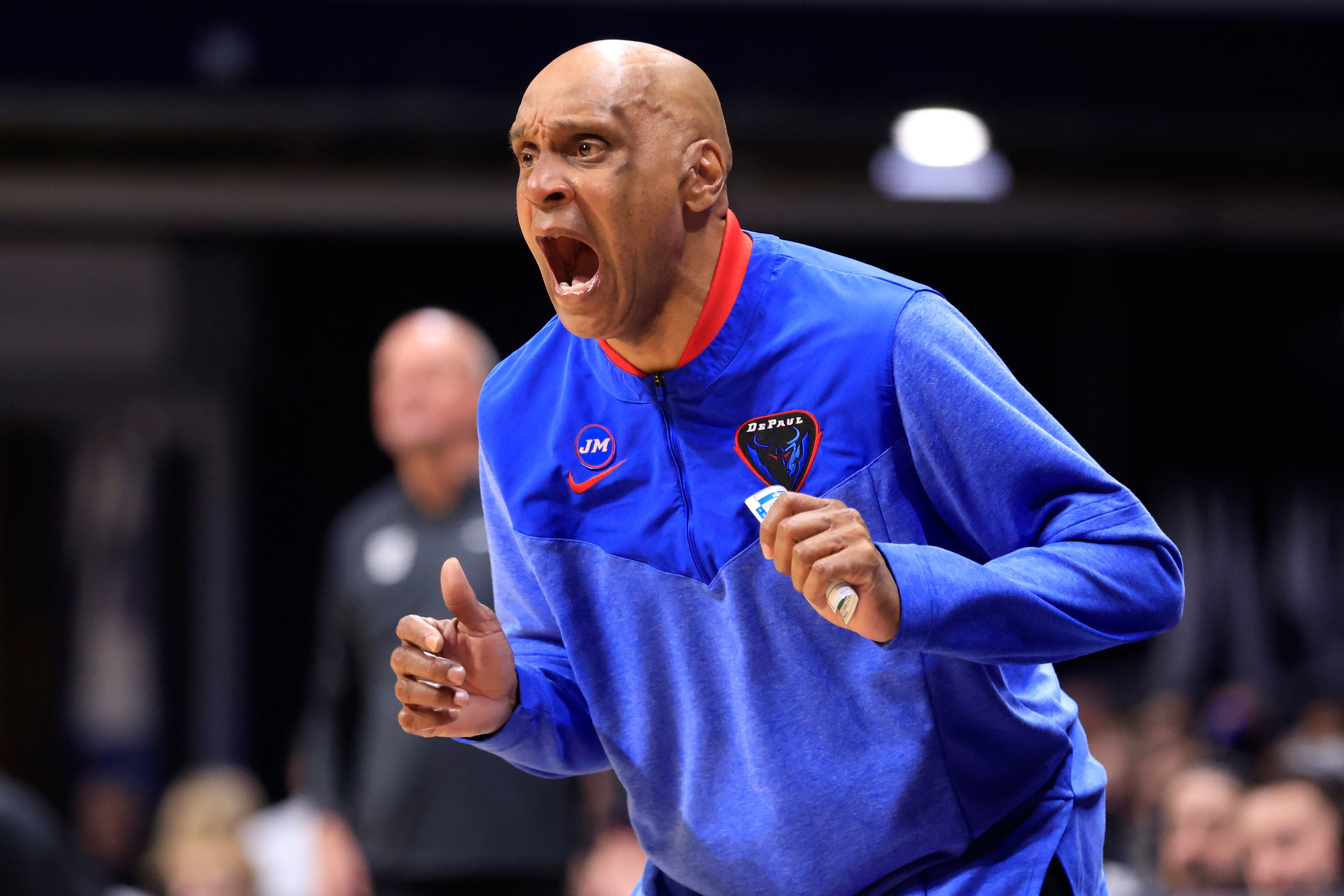
He said the expectation is that this team will be more disruptive defensively, be able to press more and use their length and athleticism to their advantage.
“Our strength will be in numbers,’’ said Stubblefield. “We’ve got eight to 10 players who can come in and impact the game.’’
Even prior to Altman’s abrupt retirement, the Ducks were going to be one of the biggest unknowns in the Big Ten. But with the staff intact, save Altman, and a culture of development, there is plenty of optimism that Oregon will be a team that improves throughout the season.
If that happens, Stubblefield could have a chance to get the full-time gig, or at the very least continue to reshape his coaching career for the years ahead.
Meet your guide