
Seth and Andy evaluate the future of college basketball and look ahead to the 2026-27 college hoops season on the latest edition of The Hoops HQ Show. Stream the full episode on YouTube, Spotify or Apple Podcasts.
NBA Draft
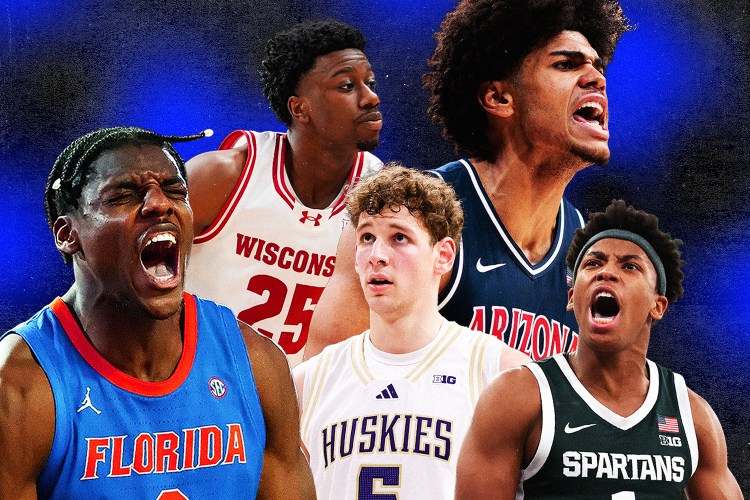
Seth Davis: The 2026 NBA Draft is in the books. A few days ago, I argued that there weren’t necessarily any generational players along the lines of a Wemby, even a Cooper Flagg in this draft. Obviously, four great players at the top: AJ Dybantsa, Darryn Peterson, Cameron Boozer, Caleb Wilson. I think those guys are really good NBA players. They’ll be in the league for a long time, win a lot of games, even play in a few All-Star games. But again, I didn’t necessarily see a generational talent.
I think that what distinguishes this draft is the depth. I think there are a lot of really, really good players — a lot of really good freshmen in the first round. We’ve been saying my God, this draft class is amazing. I think it’s the number of good players, the depth, but not necessarily generational players.
Andy Katz: I agree 100 percent. Look, the draft lacked drama because it was very predictable, but that doesn’t mean that it was disappointing. I think this freshman class lived up to the hype, met the moment — I think it will go down as one of the most productive freshman classes in men’s college basketball history.
But yes, it’s the depth and not just in the first round. I’m gonna be interested to see, maybe five years from now, how many of the 60 players contribute. It’s not always a high number. That’s where I thought this draft, as we led up to it the last two years, was gonna have a bit of a legacy in its impact: not in its superstar status, but in its ability to have a number of players impact over a period of years.
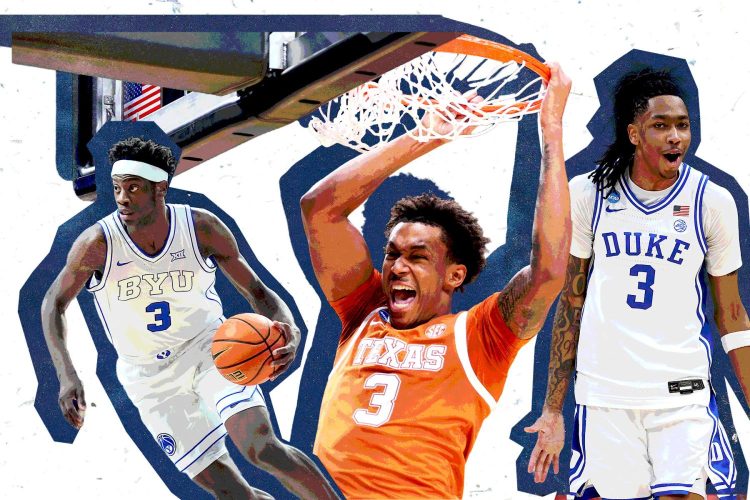
Seth Davis: Yeah, there were fifteen freshmen picked in the first round of the draft. The top eight players in the draft were freshmen. There was also conversation about decisions on whether or not to go into the draft for guys with eligibility left — Koa Peat, Isaiah Evans, Meleek Thomas, Henri Veesaar.
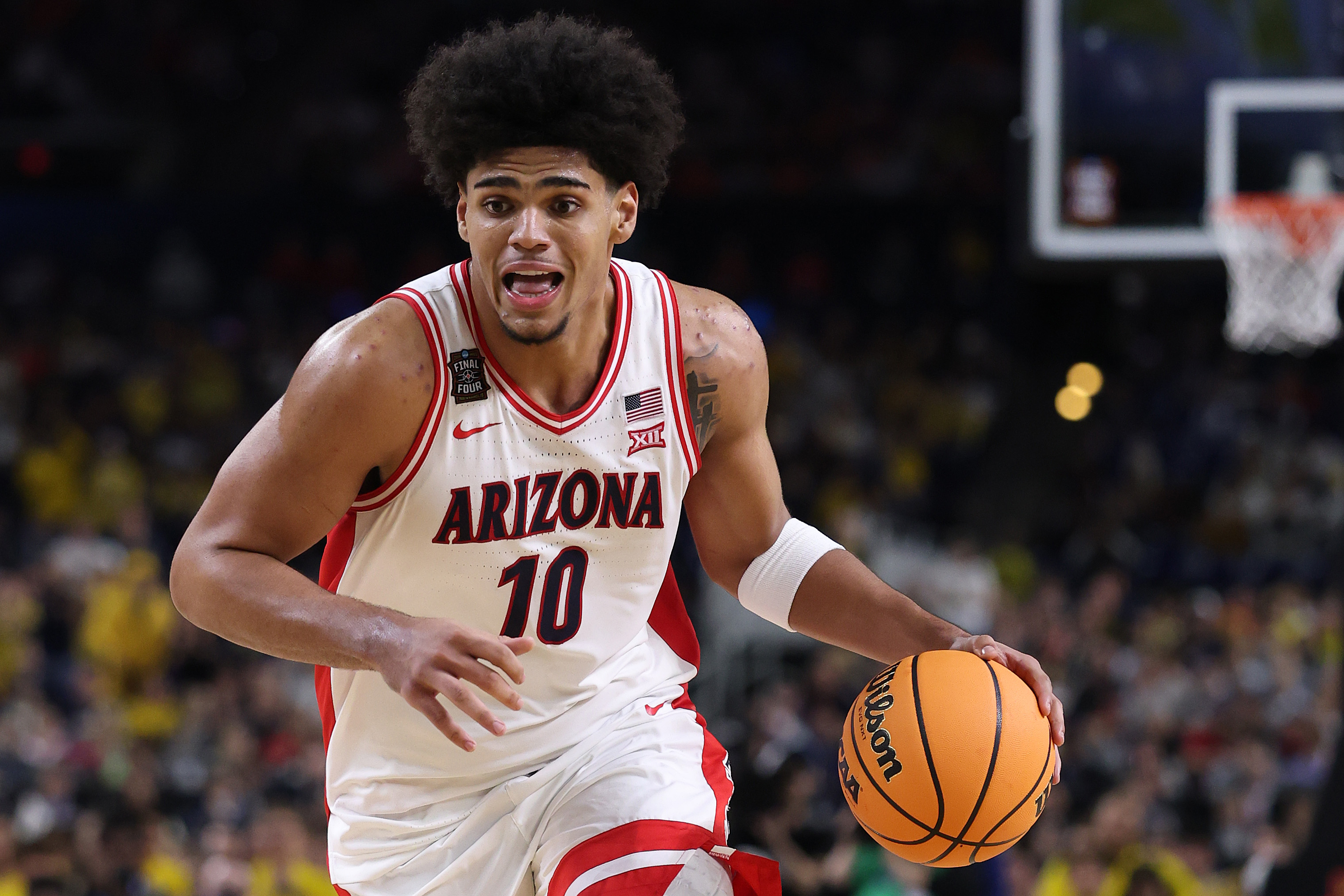
Look, I think it’s easy to say in hindsight that guys made mistakes, but I also think people missed the mark in terms of what goes into this decision. Koa Peat is a great example: If he had gone back to Arizona, he almost certainly would have made more playing for Arizona than he’s gonna make next season in the NBA. Veesaar at North Carolina could have commanded four, five million dollars. As a middle second-round pick, he’s not even guaranteed a contract.
But two things: First of all, the rookie contract is set. You make your money on the second contract. So guys sometimes want to go into the league because it starts their clock earlier to get to that second contract and big money. And then a lot of guys — I think this is the case with Veesaar — they just don’t want to be in college. He’s an international player and wanted to get his professional career started.
Dusty May
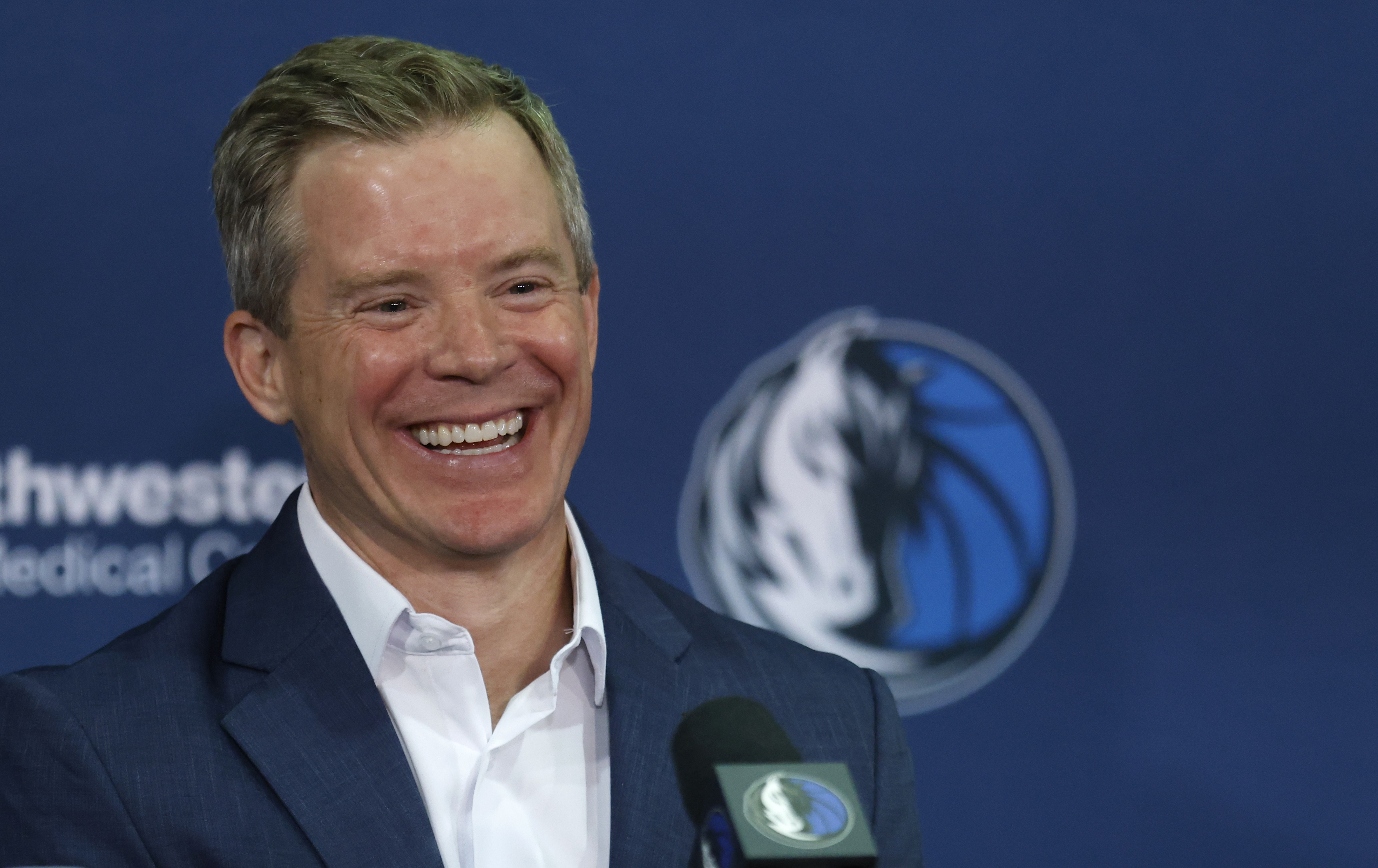
Seth Davis: There was a big shockwave through the world of basketball the day before the NBA Draft. Dusty May, the reigning national championship head coach at the University of Michigan, decided to go to the Dallas Mavericks to take over that job. Mike Boyton, his assistant, was named his interim replacement.
Now, according to reports, the Mavericks showed great interest in Jon Scheyer, which would have made sense because, of course, Jon Scheyer coached Cooper Flagg at Duke. Scheyer apparently did not take advantage of that opportunity and that left an opening for Dusty May.
I want to start with this overall narrative. I’m so amazed at how many people fall into this trap. This idea that this is a death knell for college basketball, like Dusty didn’t like the transfer portal and didn’t want to have to deal with all this stuff.
But if Dusty May leaving Michigan for the Mavericks is a bad sign for college basketball, what does it mean that Jon Scheyer stayed? What does it mean that, as we know, Tom Izzo took a very serious look at the Phoenix Suns, owned by his former walk-on guard Mat Ishbia? From what I understand, Izzo really considered that opportunity. He’s turned down a lot of NBA opportunities. Who complains more about the transfer portal than Tom Izzo?
A couple of years ago, Dan Hurley was offered the Lakers job, and everybody wrote the same story: This is a sign that college basketball is a mess and it needs to be fixed. They’re losing all these guys. Jay Wright retiring, all that. And then Dan Hurley turned down the Lakers to stay at UConn, and nobody seemed to write the story.
College basketball has challenges, but narratives are tricky. This is the first coach in seven years to go from college to the NBA. We’ve been doing this a long time. College coaches have always wanted to go to the NBA. It’s all ball. They don’t have to deal with recruiting and academics. This has been the case for a very, very long time. The money’s incredible. It’s the ultimate basketball league.
But if Dusty May leaving Michigan for the Mavericks is a bad sign for college basketball, what does it mean that Jon Scheyer stayed?
Andy Katz: There’s only two guys outside of Dusty May that I could see being attractive to the NBA. That is Jon Scheyer and probably Todd Golden. These other guys, are they gonna take calls? Of course they’re gonna take the calls. Kelvin Sampson is taking calls. Go way back to Nolan Richardson. I mean, all these different guys have taken calls: Izzo — Detroit, Cleveland, Atlanta, Phoenix.
Hurley, to his credit, knows he’s not an NBA guy. He’s a ball coach, yes, but he’s a controlling one. It wouldn’t work. I respect that he recognized where he fits.
By the way, it’s actually happening more the other way. Kevin Young, Mike Bibby, Luke Loucks, all left the NBA to go to college basketball as head coaches. Plus, Mike Malone, North Carolina. So I think it’s more coming back to college.
I just don’t buy the narrative, because while they may be frustrated with the portal and having to pay guys and not having the control they used to have, they still have some control and they wouldn’t have any in the NBA. It’s a hundred percent a players’ league. You are quickly replaceable.
That Time When Rick Majerus Bared All
My relationship with the brilliant coach began with a memorable encounter in the Salt Lake City hotel room he called home
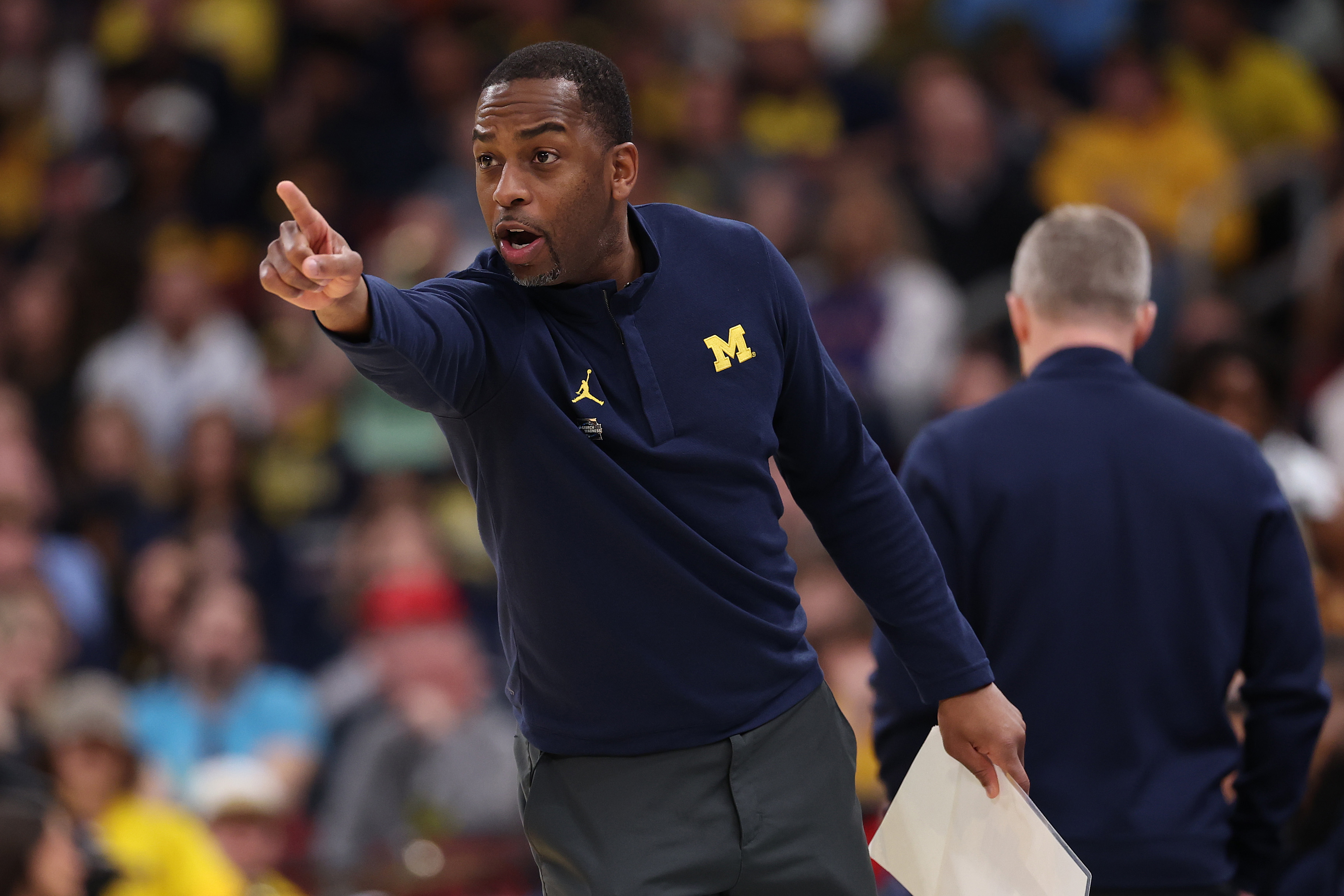
Seth Davis: Before we move on to a different topic: Mike Boynton is now the interim head coach at Michigan. So far, he hasn’t lost any players. Now, they have the ability to go back into the transfer portal for 15 days and shop themselves around by rule. So far, that hasn’t happened. That’s a Final Four roster that Boynton has.
Now, Mike Boynton is a pretty good basketball coach. I’m not saying he’s Dusty May yet, but he’s gonna have good players. So this kind of assumption that they’re gonna do a national search and get a quote-unquote “big name” — I liken this to what happened at Texas when Chris Beard had to leave because he had an off-court incident and left Rodney Terry a great roster. At the end of the day, Terry got that team to the second weekend and they almost had to keep him. I think Mike Boynton has that opportunity.
Now, the name Billy Donovan is going to come up for a lot of college jobs. I feel very confident in reporting this, Andy, because there’s a lot of thought that Billy Donovan doesn’t want to coach in college: That is not true. Billy Donovan is very open to the idea of coaching in college. The problem was he was always in the NBA and the season ended too late for him to consider any college jobs. He’s unemployed, he’s living in Florida, he’s hanging out, and come next spring, he will have his pick of any top college job.
Summer Recruiting
Seth Davis: We are heading into a very interesting time of year on the college basketball beat, and that is summer recruiting. There are these really big time events, especially the ones that are sponsored by the major sneaker companies: Nike and Adidas. Nike has the EYBL Circuit. Adidas has Three Stripes. There’s a big week coming up in the middle of July where you have the Peach Jam taking place in North Augusta, South Carolina and then in Rock Hill, South Carolina, Adidas has their showcase event.
But high school recruiting has changed because of the transfer portal. It’s become less of an emphasis. Again, we heard this narrative that college coaches are not even gonna show up anymore because they’re just gonna recruit to the transfer portal.
Does it feel to you like high school recruiting is truly being deemphasized?
Andy Katz: Yes, and I’m going to date myself here to those watching and listening. I don’t think you can duplicate what Sonny Vaccaro and company and George Raveling, what they put together. Those events at ABCD and Teaneck, New Jersey, and the Nike camp in Indianapolis.
I mean, I witnessed some unbelievable games in the summer. Gyms that were packed when LeBron was playing or Lamar Odom. There were so many different guys back in that era, it was a scene. I mean, everybody was there. I’m not diminishing Peach Jam and Rock Hill and all that. I’ve been once in the last few years. I haven’t felt the need to go, to be honest, because it hasn’t mattered as much.
Think about St. John’s, for example, what Rick Pitino’s doing. He’s not pounding the pavement for high school seniors, right? He’s going international, he’s going portal. Because at this point in his life and career, he wants to win now. He’s not developing, he’s not waiting. I think there’s more coaches like that than not.
Seth Davis: A lot of coaches will tell you, I’d rather have a 21-year-old guy who is a proven great college basketball player but has a very low ceiling as an NBA player. I’d rather have him than some high school player who is projected to be a high draft pick. I’m not bringing a guy in as a freshman unless he’s ready to contribute right away.
5-in-5 rule
Now what we have coming down the pike is this Five-in-Five rule, which actually looks like it’s gonna pass. How it does with legal challenges, we’ll see. If passed, it could take effect next year.
Andy Katz: The legal challenge is not whether it will exist. The legal challenge is if any of the current players who will be seniors — or maybe some that just graduated — if they can get in on it. They want to widen the pool of players who should have access to 5-in-5.
Seth Davis: So the argument that these players are making is, if this rule was in effect last year, I’d have another year. That is true. I would also say to them, respectfully, you got so much more money than players who played five or six years ago and you benefited from that change in a way they didn’t.
It wouldn’t surprise me, by the way, if there are going to be legal challenges to the five-in-five rule, because it was really put in place to have an age maximum. So you couldn’t have, you know, 27-, 28-year-old players from overseas who maybe didn’t play in college or went into the military or whatever. But it is not easy for high school seniors to play their way into college basketball because of what we just described.
Andy Katz: I do like the fact that it’s a cap on the back end. You basically have five years. You want to redshirt one year? Redshirt. You want to play all five? Great, play all five. The NCAA committee that dealt with waivers was in a no-win situation because that committee had to decide: Was this kid’s grandmother sick? Was she really? Keep in mind, the committee is made up of people from other schools. They didn’t need to be in that business. So they’re hoping that the waivers are gone.
Meet your guides