
There’s a dramatic scene in “The Godfather” where Don Corleone summons the heads of the Five Families to see if they can find a way to end the brutal warfare between them. After acknowledging the principals around the table, Corleone settles into his chair, gently clasps his hands together, and asks in a raspy voice, “How did things ever get so far?”
That question echoed in my head last week as I watched the last vestige of hope for a Congressional fix for college sports get extinguished by miscalculation, incompetence and the inexorable morass of American politics. The pattern has become all too familiar in the halls of the Capitol, where folks would rather have a fight than solve a problem. Now this latest effort, like all the ones that came before, is already deader than disco. Surprise, surprise.
The spark of hope flickered on May 27 when Senators Ted Cruz (R-Texas) and Maria Cantwell (D-Texas) produced the Protect College Sports Act following months of painstaking compromises. The breakthrough offered a potential path to bringing a semblance of order to the chaos that has engulfed college sports the last few years.
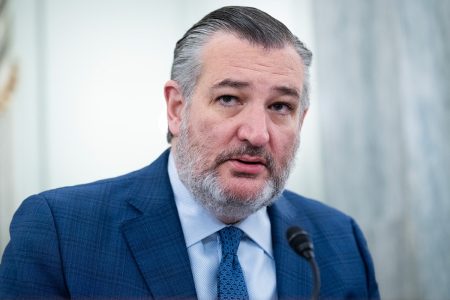
“I Believe We’ll Get It Done”: Senator Ted Cruz Hopes His Bill Will Fix College Sports
Cruz joined The Hoops HQ Show to break down the Protect College Sports Act, a new bipartisan bill that addresses transferring, eligibility and more issues affecting college athletics
Because so many past efforts collapsed under their own weight, the hope in many circles was that Congress could pass a “skinny” bill giving the NCAA a limited antitrust carveout so it could do a few sensible things: institute the revenue sharing cap outlined in the settlement to the House v. NCAA case; ensure that Name, Image and Likeness (NIL) payouts are true NIL deals and not thinly veiled booster handouts for recruiting; put the transfer horse back in the barn by requiring athletes to sit out a season following their first transfer; and give the NCAA authority to create reasonable eligibility standards such as the proposed five-in-five rule that everyone seems to agree is a good idea.
Instead, within days of the bill’s announcement, the entire debate inexplicably moved away from those topics and centered wholly on the specter that the SEC and Big Ten might break away and form a “super league” of their own. The fix for that as-yet-unrealized problem is an amendment to the Sports Broadcasting Act of 1961 that would allow conferences to pool together their media rights as long as at least 75 percent of the schools participated.
“The bill is explicit that they can’t form a super league,” Cruz said. “I love the SEC. I’m a Texan. I go every year to UT and A&M games and love them. But a super league would be devastating for the rest of the country and smaller programs in Texas. That would be a disaster.”
It is odd, to say the least, that a staunch free market conservative like Cruz would want the federal government to intervene into the free market in this fashion. Setting aside whether a super league is feasible, likely or forthcoming (my answer: none of the above), the obvious problem to this proposal is that the Big Ten and SEC will never go along with it. Those two leagues can hardly agree on the time of day, but before Cruz’s Commerce Committee held its first hearing, they issued a joint statement opposing the bill. Cruz and Cantwell have invited the commissioners to discuss the matter further this week, but no amount of arguing, cajoling and arm twisting will make them come around.
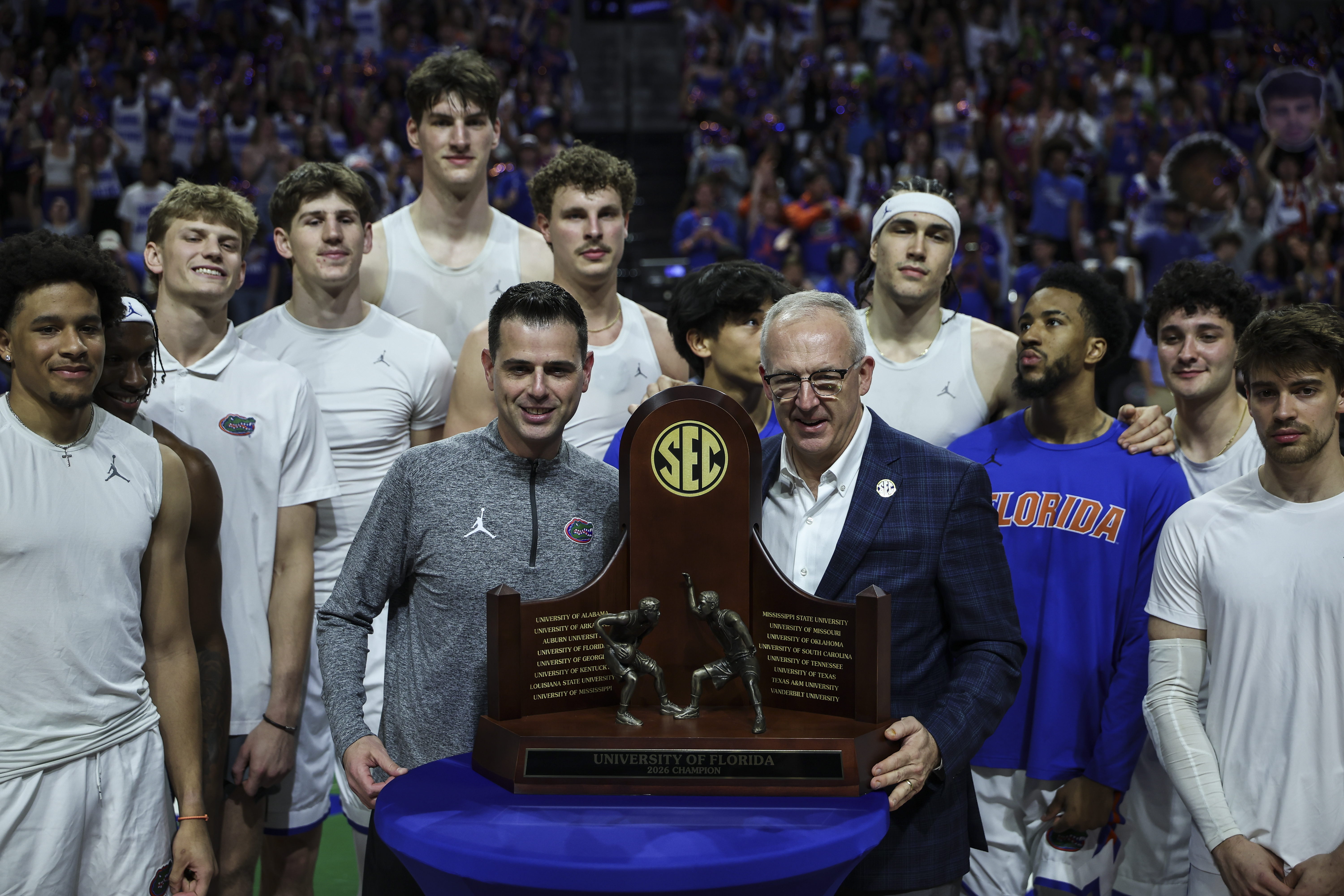
Given the aggressive lobbying the NCAA has undertaken the last few years, the rapid breakdown and poor communication amounted to malpractice. SEC commissioner Greg Sankey told ESPN host Paul Finebaum last Friday that he felt blindsided by both the timing of the bill’s release as well as its contents. “Three weeks ago I woke up to steady email messages asking me, and then as the day went on, text messages, voicemails, almost demanding that I sign letters of support for a Senate bill we hadn’t seen,” Sankey said. “We heard about a skinny bill … which was viewed as a healthy step. I think you and I can agree, maybe others don’t, that 111 pages is not a skinny bill. And so, three weeks ago I said, ‘It’s not reasonable to sign on to something from a supporting standpoint you have not seen.’ ”
The pushback from the SEC and Big Ten is especially problematic given the constraints of the calendar. The bill still needs to get approved by the Commerce Committee, clear a 60-vote threshold in the Senate, get passed by the House, go through a reconciliation committee to iron out the differences, get re-passed by both chambers, and then sent to President Trump’s desk. All of this would need to happen by August 1, because that’s when Congress leaves for its summer recess. The legislators will return after Labor Day, but with the November midterms looming many of them will be on the road campaigning and precious little business will get done.
Meeting that deadline would have been hard enough under the best of circumstances. Doing so with a bill that’s deeply unpopular with the two most important stakeholders is simply impossible.
Why was this poison pill included in the bill? The financial gap between the big two conferences and everyone else is of particular concern to Cantwell and fellow Democrats whose constituents include schools from the Big 12, ACC and other leagues who feel they are being left behind. It is also a priority for Cody Campbell, the billionaire oilman from Texas who is a Texas Tech graduate and megabooster, a supporter of Cruz’s, and close buddies with President Trump. Campbell’s money doesn’t just buy quarterbacks and softball pitchers. It buys a lot of politicians as well. In this case, it bought a really bad idea.
The sad irony is that a skinny bill could have mitigated this very problem. The reason the two leagues are so dominant is because there is no limit on what they can spend. If Congress could pass a bill that strengthened the NCAA’s ability to enforce a de facto salary cap, that would help the other leagues close the gap. That might not have been the home run that amending the SBA would provide, but it would have been a nice, clean single. Instead, Congress tried to swing for the fences — and whiffed.
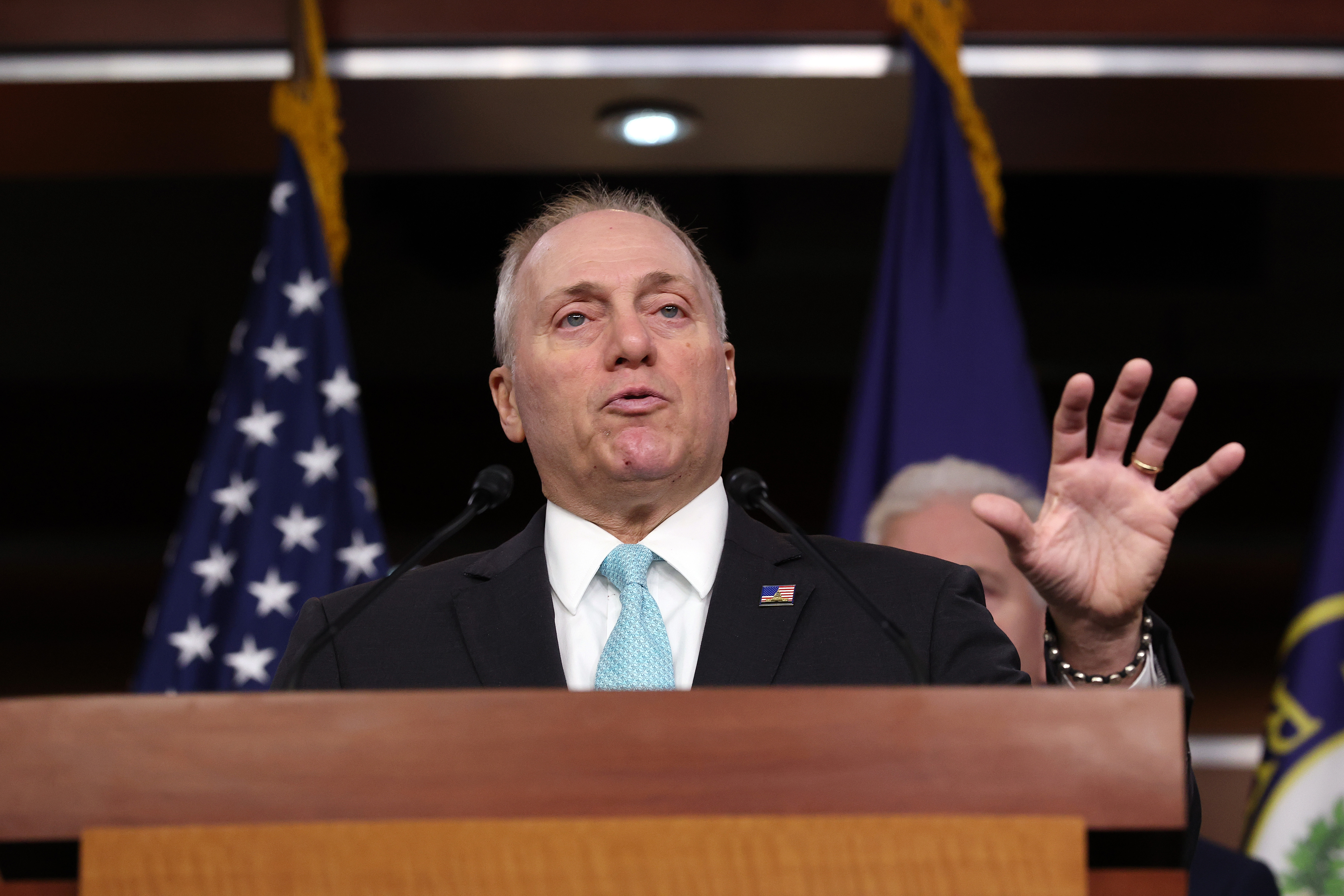
And these are just the problems in the Senate. Over in the House, the Protect College Sports Act is getting torpedoed from all sides. The left-wing Congressional Black Caucus is opposed because its members are angry at the redistricting that is happening throughout the south, and it doesn’t want to do anything that helps the SEC. (Although now that the SEC is opposed, you have to wonder if the CBC might alter its stance.) Steve Scalise, the ultraconservative Republican congressman from Louisiana, is opposed because the bill does not make it illegal for athletes to be categorized as employees. (Which, again, amounts to a federal intervention into a free market decision.) It’s not easy to get anything passed in chamber where the ruling party holds a five-vote majority, but a modest bill might have had a chance. This one does not.
What will the NCAA do once this latest Congressional push meets its inevitable doom? It could start by finally agreeing to live by the terms of the House settlement that it spent so much time and money negotiating. That would require every school in the power four conferences to sign a participation agreement, an 11-page document mandating that the schools will abide by the rulings of the Collegiate Sports Commission, which was created to enforce the NIL standards laid out in the settlement. Schools have to agree to waive their rights to appeal the CSC’s rulings or take legal action against them. That’s a lot to ask, but the alternative is to allow spending to continue unabated, which no one wants. Most of the power conference schools have either signed participation agreements or expressed a willingness to do so. (Big 12 commissioner Brett Yormark said in late May that all of his schools have signed it.) But unless everyone does it, the system won’t hold up.
The dichotomy in all of this is that despite all this chaos and uncertainty, college sports are thriving in so many other ways. The men’s and women’s College World Series have been staging riveting games and drawing record TV ratings. Dozens of basketball players who could have gone into the NBA Draft, including a few projected lottery picks, decided to come back to school for a healthy payday. The 2025 college football season was a roaring success on every level, from the quality of the games to attendance to TV ratings and rights fees. There’s no reason to expect that won’t continue next season. The words “crisis” and “unsustainable” have been overused so much they have lost all meaning. College sports is not in crisis, but it is experiencing a disruption. It took a long time for things to reach this point, and it will take a while for things to get better.
It will take longer if the folks who run things keep shooting too high and missing over and over again. The NCAA and all the leaders throughout college sports need to acknowledge once and for all that Congress is not coming through that door. It’s time for them to gather around a table and start putting their own house in order.
Meet your guide