
CHICAGO- The success Nate Oats had at Buffalo, in one of the toughest places to win in college basketball, opened doors for him he never could have imagined when he was coaching a high school outside Detroit. As the offers started coming in, his agent had one piece of advice for him, and it led him directly to Alabama.
It wasn’t about Alabama’s basketball tradition, or lack thereof compared to some of the elite programs in the country. Nobody, Oats’ said his agent told him, is going to be able to put more money at his disposal than a true football powerhouse like Alabama.
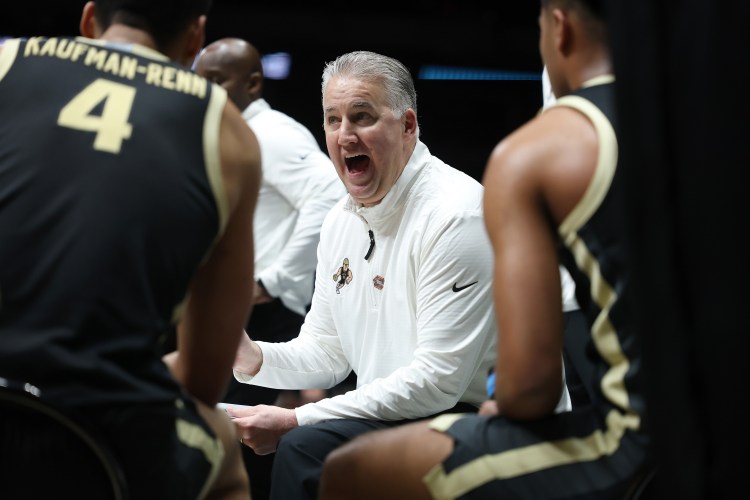
Seven years later, Oats has the Crimson Tide in the Sweet Sixteen in Chicago for the fourth straight year. Only Houston, Purdue and Tennessee can say the same. Not Duke, not Kansas, not Kentucky, not North Carolina, not Villanova.
Oats was a few years ahead of the upheaval in college sports, but he still got it right: All the traditional advantages college basketball’s historic blue-blood programs might have had for decades now pale in comparison to who can make the best use of whatever funding their school can provide.
“I think things have changed,” Oats says. “I think obviously you’ve got to get supported with the right resources, but when I came to Alabama, I was at Buffalo, I was going to have some options, this one came up. … I think you’ve got to be at a place that has resources to win, and Alabama has those resources to win. We may not have the tradition that some of these other places had, but Indiana football probably didn’t have that tradition, either, and they won it.”
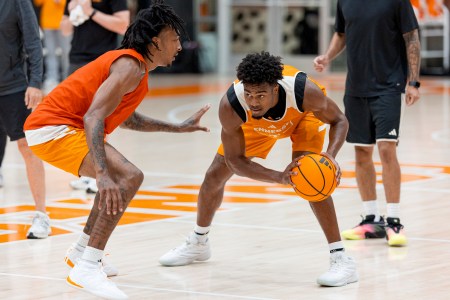
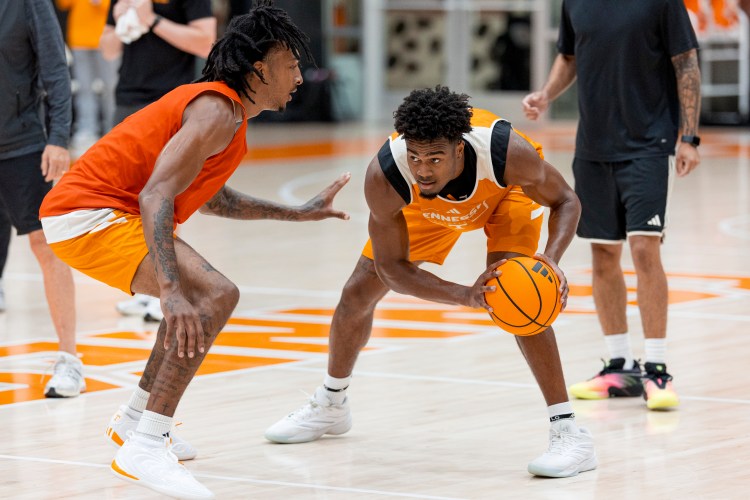
Fourth-seeded Alabama plays No. 1 seed Michigan in Friday’s first game, with No. 2 Iowa State and No. 6 Tennessee in the nightcap. These four massive public schools represent not only the changing landscape of college basketball but the tectonic shifts happening under all of college athletics. All four have, generally speaking, been best known for and primarily focused on football. And yet all four are finding as much, if not more, success in basketball.
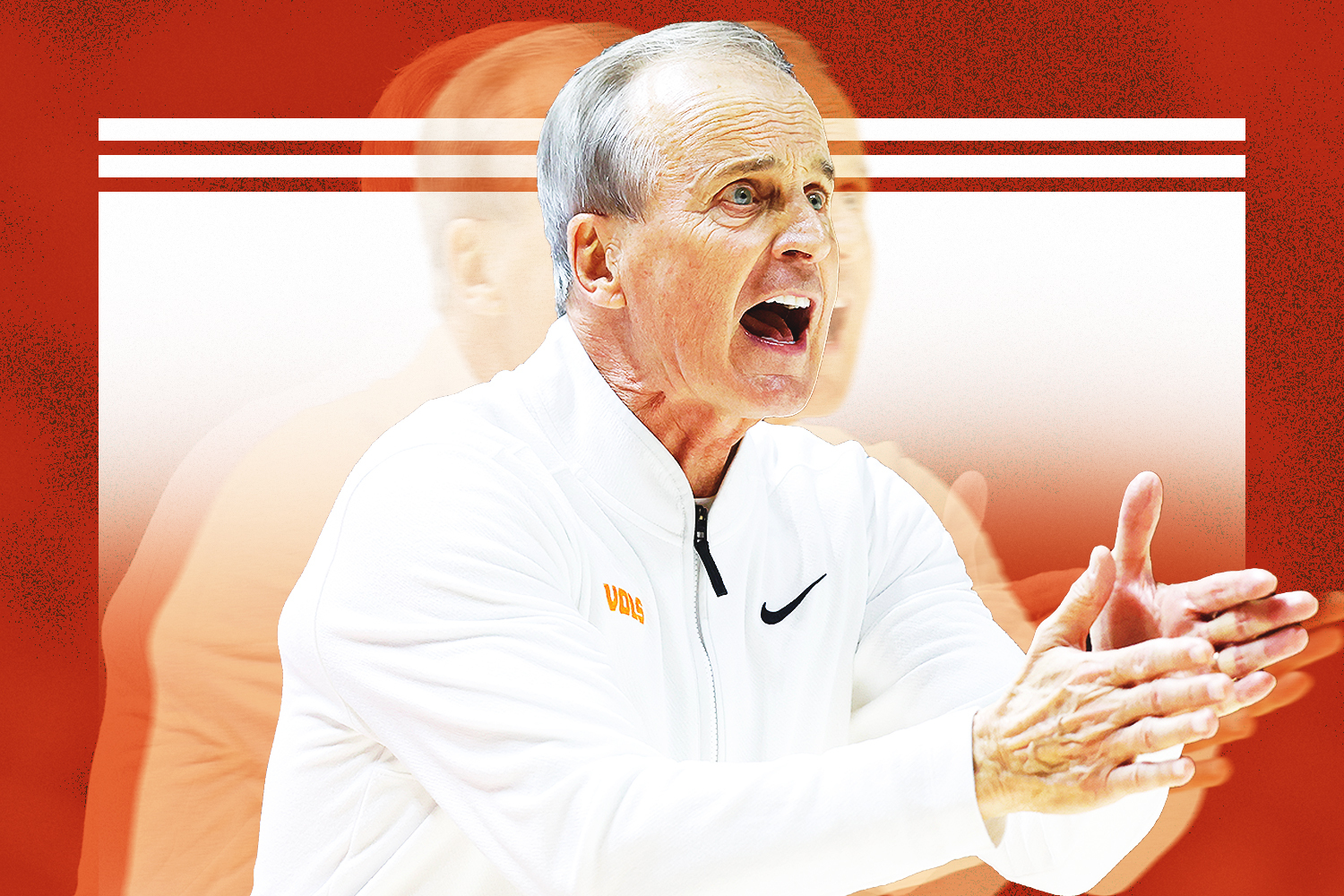
“You can be successful anywhere if you’ve got a great AD that understands that the climate today is different than what it was years ago,” says Rick Barnes, who has coached for years at so-called football schools like Clemson, Texas and now Tennessee. “The obvious problem today is there’s some fan bases that still think they have an entitlement and they think it’s going to be the same way. The game has changed totally because of NIL.”
Michigan plays a key role in college basketball history — the modern game doesn’t exist without the Fab Five — and is the only member of this quartet to win a national title. The other three programs have had periods of basketball success, and both Michigan and Alabama have made a Final Four in the past decade. Still, the common thread among them is that they are, at heart, football schools. Michigan is best known, athletically, for the Big House and its iconic helmets, and despite the current disarray in the program is only two seasons removed from a national title. The cultures at Iowa State and Tennessee revolve around football Saturdays. Alabama football is Alabama, full stop. Meanwhile, the opposite is happening elsewhere.
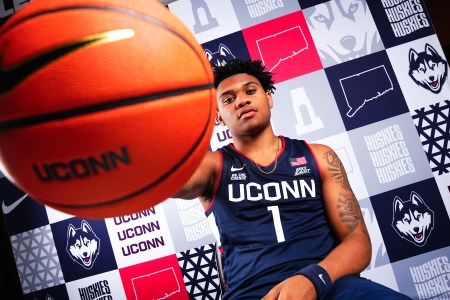
It wasn’t long ago that the true powers in college basketball were, unquestionably, basketball schools. UConn. Kansas. Duke. North Carolina. Villanova. Football was an afterthought, if not an outright embarrassment. Duke once won a lawsuit by arguing it had the worst football program in the country. Mack Brown left North Carolina for Texas, trading second-tier status for the center of the Austin universe, only to try and fail again to establish football in Chapel Hill.
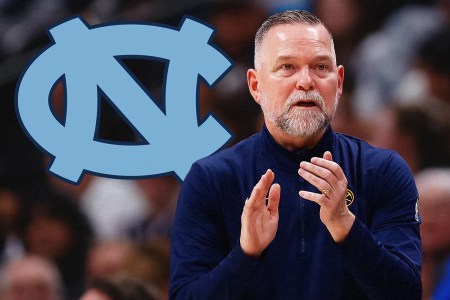
But now Carolina is pouring millions into a bag with Bill Belichick’s name on it while firing Hubert Davis for failing to meet the basketball program’s lofty standards. Duke won the ACC title in football and men’s and women’s basketball this year, proving success is not mutually exclusive. And then there’s Indiana: Basketball school, beyond a doubt. Reigning national champion in football.
Flipping that equation, an Alabama basketball title wouldn’t have the same shock value as, say, Penn State winning it all at the Final Four, but it’s not that far off.
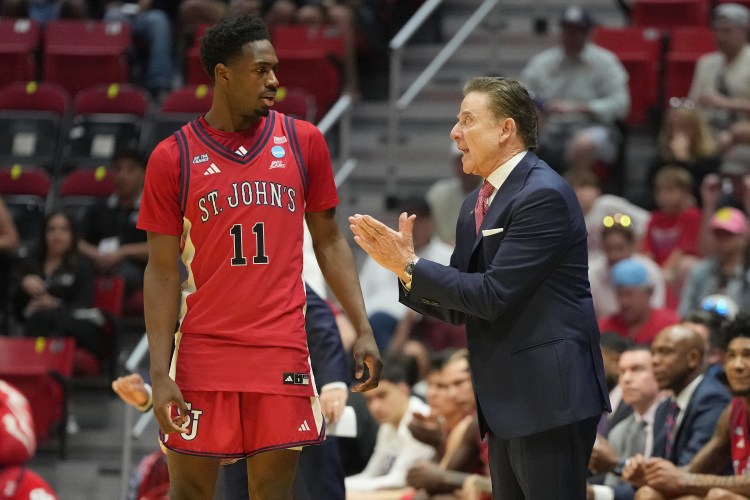
“I saw (St. John’s coach) Rick Pitino say today, ‘Are there even blue bloods anymore?’” Alabama athletic director Greg Byrne tells Hoops HQ. “I still think there are schools that have rich tradition in basketball, but college athletics as a whole has changed more in the last five years than the last hundred. Schools that continue to adjust for that are going to have the best opportunity to have success.”
The dividing lines, the barriers that used to divide sports and schools, have been washed away in a flood of NIL contracts, transfers and revenue-sharing payments. The old ways of doing things, the relationships with high-school coaches and fixers and runners, the programs that were the best at funnelling payments to uncles and cousins, have been rendered obsolete. And college basketball, given the size of the rosters and the impact a single player can have, offers an instant ROI that football does not.
Big Ten and SEC operating budgets for their basketball programs, better funded than many basketball-focused ACC and Big East programs because of big-time football TV contracts, further tilts the landscape. Even a blue blood like UNC got an unexpected wake-up call from the number of staffers Alabama brought with it for a nonconference game in December 2024, an army of analysts and assistants that set up on folding tables in the hallway outside the visiting locker room because there wasn’t room for all of them on the bench.
“I think everything they’re doing to support men’s basketball is going to give us a chance,” Oats says. “We’ve been the No. 1 seed in the NCAA Tournament. If you can be the No. 1 seed you’re favored to win it. Now, Brandon Miller had an injury, we didn’t shoot well, we got upset. But then the year after we went to a Final Four. We went to an Elite Eight. We’re the only program that’s been to a Final Four and an Elite Eight the last two years. The year before that we were the No. 1 overall seed. We’re right there every year knocking on the door.”
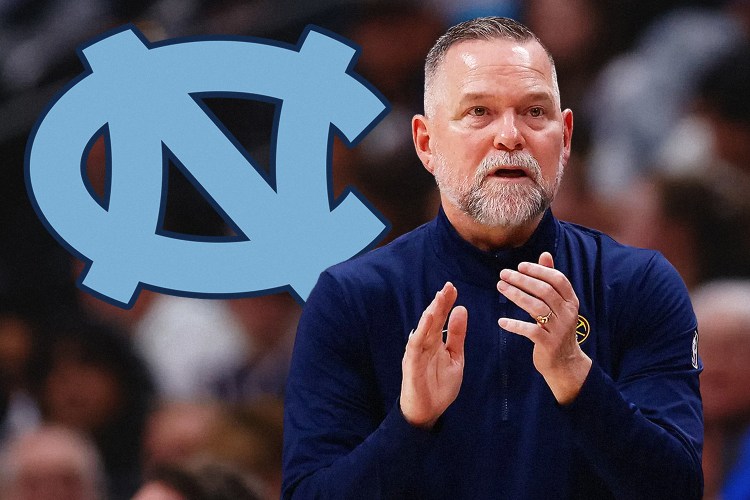
While Alabama is in the Sweet Sixteen again, North Carolina is looking outside its family for a new basketball coach for the first time in seven decades at a time when that university has gone all-in on football. Three of the logical candidates for that job are here in Chicago (four if you count Bulls coach Billy Donovan).
They all could potentially face the same question Oats faced seven years ago: Would they be better off at a school that has historically, if only nominally now in the Belichick era, been basketball-centric? Is UNC’s basketball blood really any bluer these days than that of Alabama or Michigan?
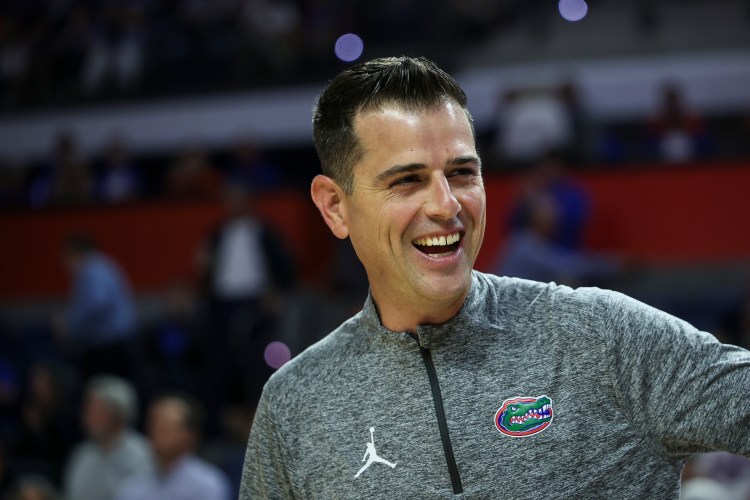
Because if you can win at a so-called football school the way Dusty May and Oats and Barnes and T.J. Otzelberger are right now, it’s fair to wonder whether a big basketball brand is even necessary anymore. The football schools are taking their revenge, and one of them is guaranteed to be in Indianapolis, where the basketball championship will be decided, as always, in a football stadium.
Meet your guide