The NBA Scouting Combine is a proving ground for fringe prospects, whether it be in the late first or all the way through pick No. 60. In 2026, considered one of the strongest classes in a decade, many scouts and executives will have their eyes on a group ready to prove themselves in on-court action next week in Chicago.
Twelve different prospects caught my eye when it comes to having the ability to really boost their stock during the pre-draft process. From seasoned upperclassmen to some enticing prospects dripping with physical traits, let’s go ahead and examine.
Milos Uzan, 6-foot-4 senior guard, Houston
Uzan enters the 2026 NBA Scouting Combine with a solid but unspectacular profile that leaves room for significant movement in draft projections. Standing 6-foot-4 with a wiry 195-pound frame, the Las Vegas native transferred from Oklahoma and became a steady floor general for Kelvin Sampson’s Cougars in 2025-26. He averaged 11.1 points, 4.0 assists, and 2.7 rebounds per game while shooting 34.3 percent on threes. His assist-to-turnover ratio remains elite, and he contributes on the defensive end with quick hands and positional size.
Uzan’s game is defined by high basketball IQ, crafty pick-and-roll orchestration and the ability to make a simple play. He excels at reading defenses, delivering precise passes and competing physically against bigger guards. However, Uzan’s scoring efficiency dipped noticeably this season, raising questions about his ability to create his own shot at the next level or knock down open threes consistently against NBA speed and length. Scouts have long praised his leadership and intangibles, but the lack of explosive athleticism and streaky perimeter shooting have kept him projected in the late second round or undrafted territory.
The Combine represents a prime opportunity for Uzan to address those concerns directly. Strong showings in shooting drills could validate his three-point stroke, while athletic testing and five-on-five scrimmages will allow him to demonstrate quick decision-making and defensive versatility against top competition. Interviews will highlight his maturity as a four-year contributor who has played in high-stakes environments. A standout performance could push him into the second round or even late first-round consideration as a reliable backup floor general with size and defensive upside. Conversely, continued inefficiency would reinforce doubts about his ceiling. For a player who has already withdrawn from the 2025 draft to refine his game, the 2026 combine is the final audition to prove he belongs on an NBA roster.
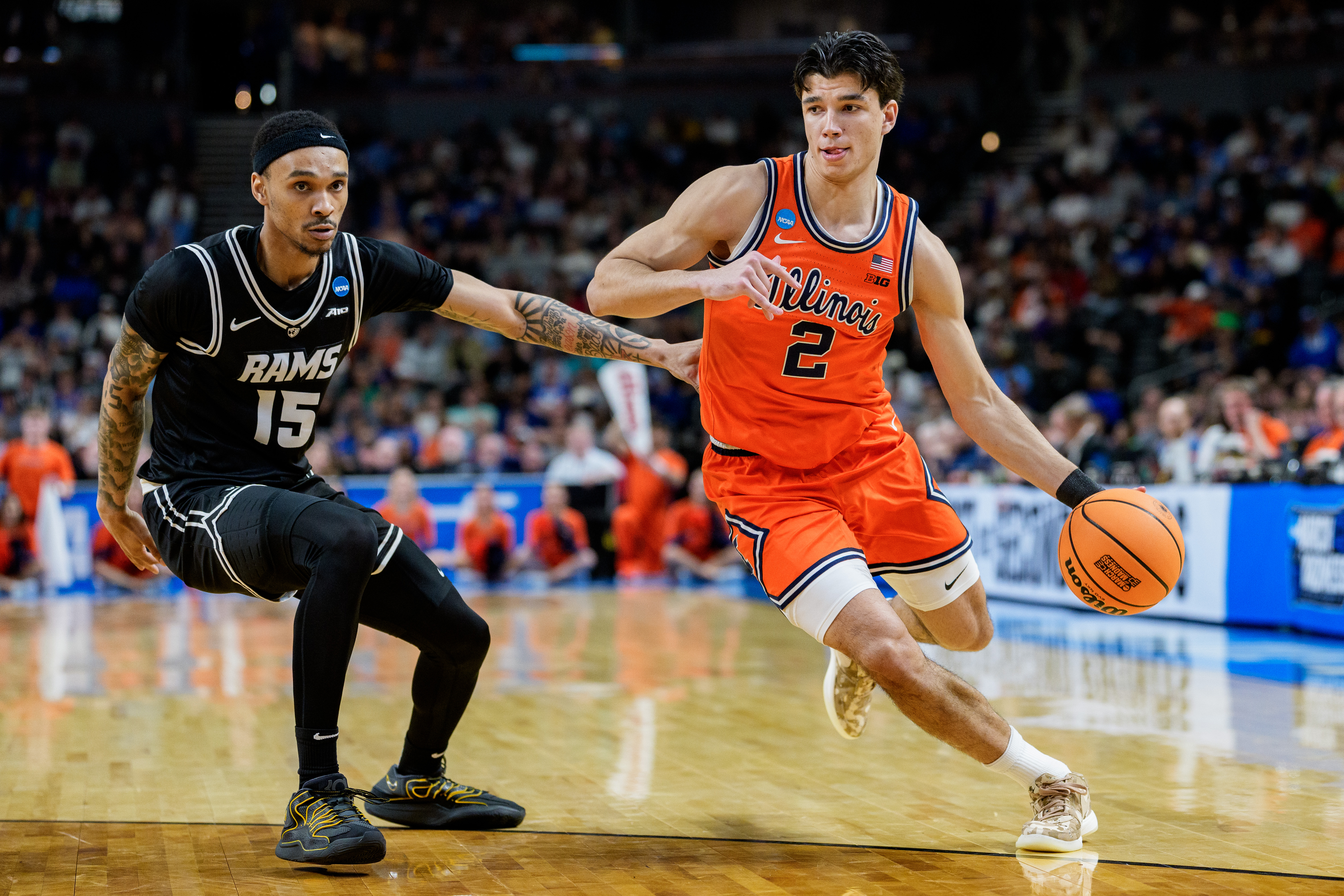
Andrej Stojakovic, 6-foot-7 junior forward, Illinois
Stojakovic, the son of NBA veteran Peja Stojakovic, arrives at the combine with pedigree and scoring flashes but lingering questions about consistency and physical tools.
After a productive stint at Cal, he transferred to Illinois and posted solid but not eye-popping numbers as a junior, showing the smooth shooting stroke and off-ball movement that made him a high school standout. His length and feel for the game give him prototype wing size, yet his role fluctuated, and defensive engagement sometimes waned.
Stojakovic’s greatest assets are his shooting touch and scoring instincts. He can stretch the floor, attack closeouts and create scoring opportunities in the halfcourt. However, scouts have noted tunnel vision at times, average athleticism for a wing and occasional lapses on the defensive end against quicker guards. His draft stock hovers in the mid-second-round range, where teams want to see him prove he can defend at a high level and maintain efficiency against elite competition.
At the combine, Stojakovic has the most to prove in athletic testing and five-on-five play. Measurements will confirm his wingspan and standing reach, while vertical and agility drills could quiet concerns about burst and lateral quickness. Shooting drills are critical here, because he must display repeatable mechanics and high-volume accuracy. Most importantly, the scrimmages offer a chance to showcase improved defensive effort, off-ball cutting, and playmaking against other top prospects. A strong combine could force Stojakovic’s hand as to whether he wants to remain another year in Champaign.
Braden Smith, 6-foot senior guard, Purdue
Smith, a consensus All-American, heads into the combine as one of the most accomplished college playmakers in the class, yet his undersized 6-foot frame and questions about NBA athleticism make him a prime candidate to prove his worth.
Smith continued his elite facilitation in 2025-26, leading the Boilermakers with vision, pace control and unselfish play while adding improved scoring punch. He has a knack for finding teammates in rhythm and making the extra pass, traits that translate well to the NBA.
Smith’s basketball IQ, leadership and feel for the game are elite. He excels in pick-and-roll situations, reads defenses instinctively and competes with toughness despite his size. The primary concerns revolve around his physical attributes: lateral quickness, vertical explosiveness and ability to finish through contact or create separation against longer, faster guards. His shooting has been streaky at times, and some scouts worry he may struggle to create his own shot in traffic.
The combine is crucial for Smith to dispel size-related doubts. Athletic testing will be heavily scrutinized to prove he can keep pace in the NBA. Shooting drills offer a chance to validate his perimeter game under pressure, while five-on-five scrimmages will highlight his playmaking and decision-making against top competition. Interviews can emphasize his winning pedigree and intangibles.
If Smith can fare well in Chicago, he will push his way into the mid-second-round conversation.
Emanuel Sharp, 6-foot-3 senior guard, Houston
Sharp is a prototypical 3-and-D wing whose reliability and competitiveness have made him a staple in Kelvin Sampson’s system. Sharp averaged strong scoring and rebounding numbers in 2025-26 while shooting around 37 percent from three on solid volume. He is a gritty on-ball defender who takes charges and contests shots with length and effort.
Sharp’s game is built on consistency, off-ball movement and the ability to knock down open threes created by teammates. He thrives in structured systems and brings toughness that coaches love. However, his creation off the dribble is limited, and questions persist about his first-step explosiveness and ability to create separation against NBA wings. His draft projection sits in the late-second-round range, where teams seek role players who can defend and shoot without needing the ball.
At the combine, Sharp must shine in shooting drills to confirm his perimeter credentials under fatigue and pressure. Athletic testing will be watched closely for burst and agility that could elevate his defensive versatility. The five-on-five scrimmages represent his biggest stage to demonstrate improved ball-handling, decision-making and ability to compete against higher-level athletes. Strong interviews highlighting his work ethic and championship pedigree could also help. A standout combine performance could vault him into the mid-second-round conversation.
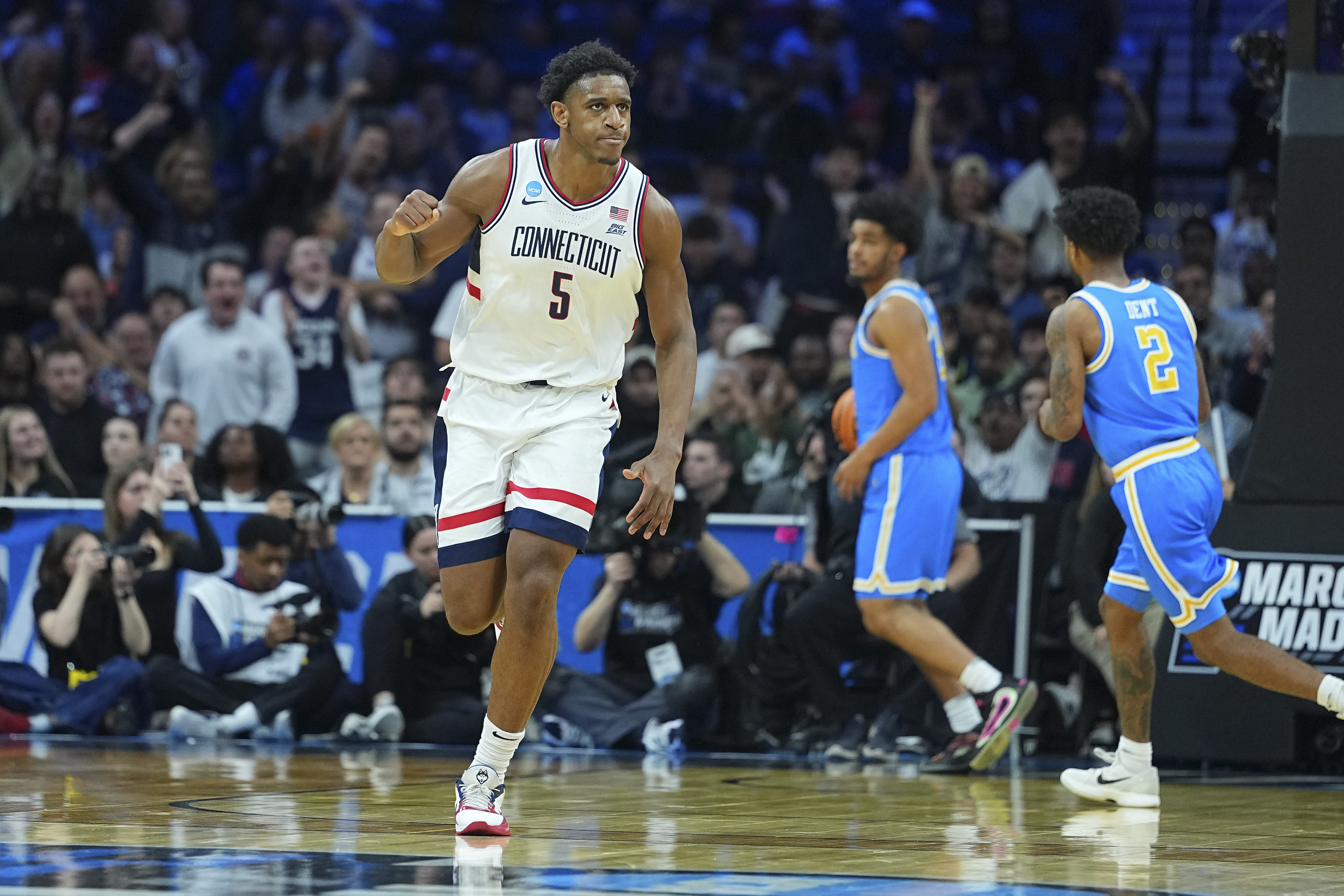
Tarris Reed Jr., 6-foot-10 senior center, UConn
Reed brings physicality and interior presence to the combine after helping the Huskies reach the NCAA championship game. Standing 6-foot-11 and around 265 pounds, Reed is a strong rebounder and finisher who uses his frame effectively in the paint. His 2025-26 season showcased improved mobility and timing as a rim protector, though his perimeter skills remain raw.
Reed’s strengths lie in his size, strength and ability to dominate the glass and protect the rim in traditional big-man fashion. He is a high-motor player who battles and sets physical screens. Concerns center on his lateral mobility, foot speed in space and limited offensive repertoire beyond the paint. NBA teams want to see if Reed can stretch the floor or handle switches defensively. His projection hovers in the mid-to-late second round.
Reed will end up with one of the bigger pre-draft ranges, and expect him to be very busy on the team group workout circuit. If Reed can prove himself in multiple areas, he will rise into the top-40 discussion.
Otega Oweh, 6-foot-5 senior guard, Kentucky
Oweh brings elite athleticism and defensive versatility to the combine. Oweh has been a high-motor scorer and rim attacker who defends multiple positions with length and quickness. His 2025-26 season featured strong two-way flashes, though shooting consistency remains a work in progress.
Oweh’s calling cards are explosiveness, defensive instincts and ability to attack the basket in transition or off the dribble. He has the physical tools to become a 3-and-D wing if his jumper stabilizes. The main question involves his three-point mechanics and shot selection, as well as his ability to create half-court offense consistently against length. He projects as a second-round pick with upside.
The combine is critical for Oweh to validate his athletic profile and shooting. Athletic testing should reinforce his elite vertical and quickness, but the real test lies in shooting drills where he must demonstrate repeatable form and accuracy under pressure. Scrimmages will showcase his defensive impact and decision-making in live action. Interviews can highlight his development and motor.
Oweh possesses the traits scouts love in versatile wings, but shooting consistency is the name of the game nowadays in the modern NBA.
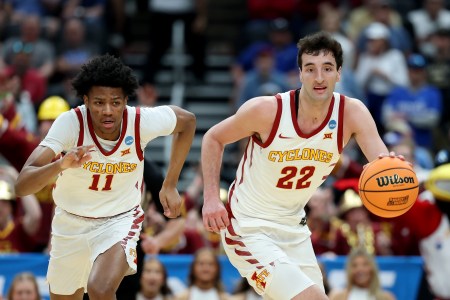
Milan Momcilovic, 6-foot-8 junior forward, Iowa State
Momcilovic is one of the premier shooters in the 2026 class and arrives at the combine with serious scoring pedigree. Momcilovic has posted elite three-point percentages on high volume, making him a dangerous floor-spacer who can stretch defenses. He declared for the draft and has the size and touch to project as a modern stretch four or small-ball five.
His primary strength is undeniable perimeter shooting combined with good size and off-ball movement. He scores efficiently and forces defenses to account for him from deep. However, questions remain about his defense, physicality when attacked, and ability to create off the dribble or rebound at the next level. His draft stock sits in the late-first to early-second-round range.
At the combine, Momcilovic must prove he is more than a shooter. Athletic testing will be key to showing lateral quickness and strength, while scrimmages offer the chance to display defensive effort and versatility.
If Momcilovic is unable to net a promise in the first round, it might be wise in the NIL era to pursue a stronger paycheck from an NCAA blue blood. Florida and Kentucky have reportedly stayed in close contact with the best shooter in college basketball.
Best on the Board: Top 10 Transfers Still in the Portal
Flory Bidunga and Juke Harris are gone. Remaining are a mix of Draft ‘maybes’, uniques skillsets and guys waiting for the right school. We rank the top 10.
Alex Karaban, 6-foot-8 senior forward, UConn
Alex Karaban, UConn’s senior forward, brings winning pedigree and high-level skill to the combine. The 6-foot-8 stretch forward has been a key contributor for the Huskies, excelling as a shooter, connector and smart decision-maker. He possesses excellent basketball IQ, soft touch and the ability to space the floor while making the right play.
Karaban’s strengths include perimeter shooting, passing vision and positional versatility. He understands angles, sets screens and competes with intelligence rather than pure athleticism. The primary concerns are his explosiveness, lateral quickness and ability to defend in space or finish through contact against NBA length.
The combine is where Karaban can address athletic questions head-on when it comes to his current second-round projection.
Measurements and testing will be scrutinized to prove he can keep up defensively. Shooting drills should be a strength, but scrimmages are paramount — he must show creation, defensive versatility and competitiveness in five-on-five settings.
Already with his number retired in the Storrs rafters, Karaban has all the Glue Guy intangibles to fit anywhere in the Association.
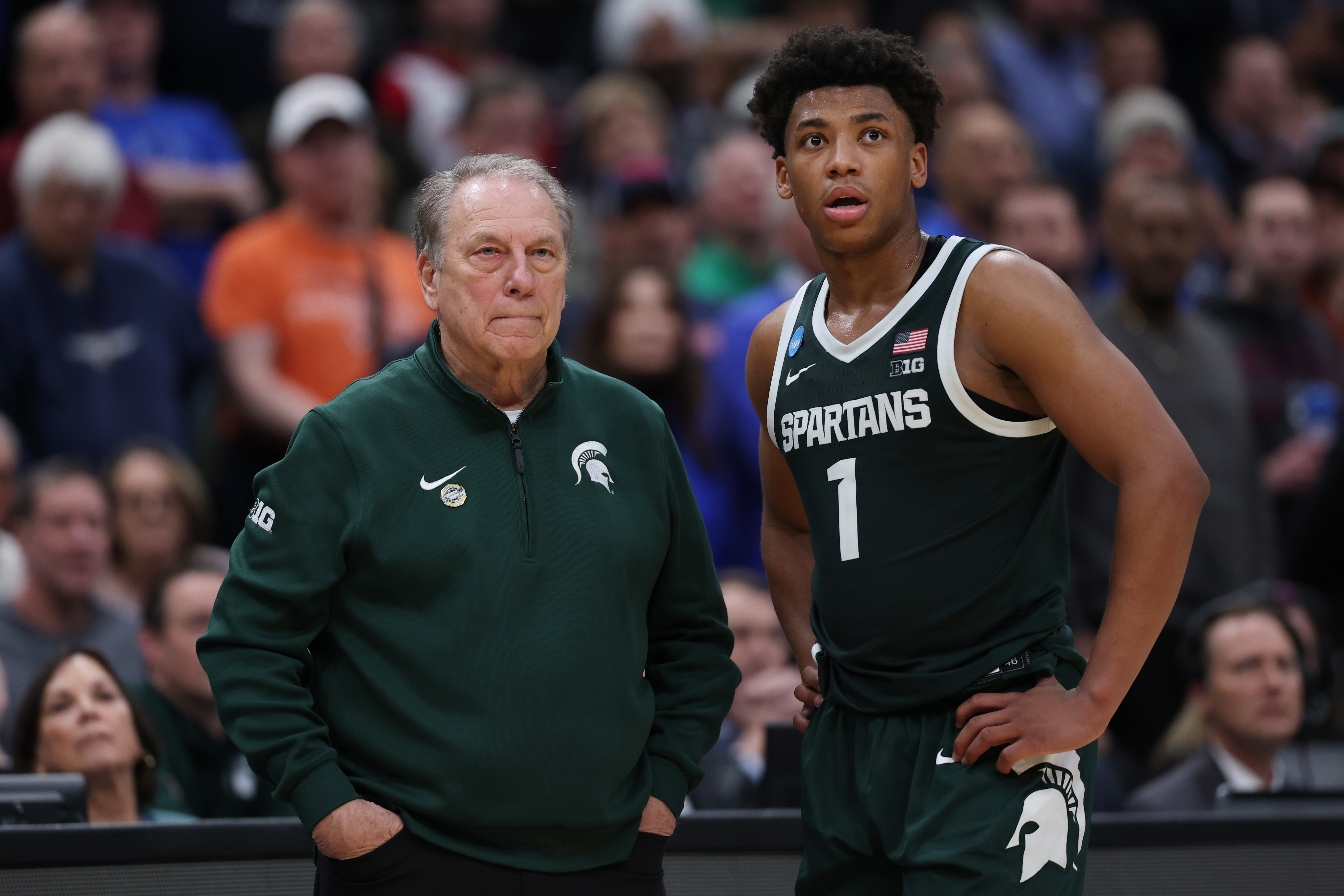
Jeremy Fears Jr., 6-foot-2 junior guard, Michigan State
Fears enters the combine as one of the nation’s elite passers after leading his team in assists while showing defensive tenacity. Fears brings elite passing vision, quick hands and the ability to run an offense with poise. His assist numbers have been impressive, and he competes on both ends.
Fears excels at playmaking, reading defenses and disruptive on-ball defense. He has the instincts to be a high-level backup point guard. The major question mark is his shooting — particularly from three, which has been inconsistent and limits his ability to space the floor or create gravity.
At the combine, Fears must prioritize shooting drills to silence efficiency concerns. Athletic testing will highlight his quickness, while scrimmages offer the chance to showcase playmaking and defensive impact in live action. Interviews can emphasize his leadership and defensive mindset. A standout performance in shooting and five-on-five could push him into the first round or high second; continued struggles might relegate him to two-way or overseas opportunities. For a pure point guard with elite vision, the combine is the platform to prove he can shoot well enough to stay on the floor in the NBA.
Ryan Conwell, 6-foot-4 senior guard, Louisville
Conwell is a proven scorer who arrives at the combine needing to prove efficiency and defensive reliability. At 6-foot-4, Conwell has put up strong scoring numbers with deep range and the ability to create off the dribble. He has been a volume shooter and offensive threat throughout his career.
Conwell’s game centers on perimeter scoring, shot creation and toughness. He can get hot and carry an offense in stretches. However, scouts question his shot selection, defensive consistency and athletic metrics against NBA wings. His projection sits in the second-round territory where role-player fit matters.
The combine is essential for Conwell to demonstrate improved decision-making and physical tools. Scrimmages are the biggest stage to prove he can defend and compete without forcing shots. Interviews can highlight his scoring pedigree. A dominant combine could elevate him significantly; a mediocre one might leave him fighting for a roster spot.
Conwell is a first-round player on my own personal board, and I think he shows out well for himself next week in Chicago.
Trevon Brazile, 6-foot-9 senior forward, Arkansas
Brazile possesses one of the highest upside profiles among combine participants. The 6-foot-10 athlete with an eye-popping 7-foot-4 wingspan has elite length, vertical explosiveness and the ability to protect the rim while finishing above it. His 2025-26 season featured flashes of scoring, rebounding and defensive impact, though consistency and skill development have been ongoing projects.
Brazile’s physical tools are tantalizing for a modern big. He can switch, block shots and run the floor. Concerns include ball-handling in traffic, perimeter shooting consistency and sustained production against top competition. He projects as a high-upside second-round selection who very likely earns a two-way contract.
The combine is Brazile’s chance to solidify his athletic reputation and showcase skill growth. Measurements will confirm his exceptional length, while vertical and agility drills should reinforce his explosiveness.
For Brazile, this is a make-or-break week upcoming as an upperclassman who has flashed more upside than production.
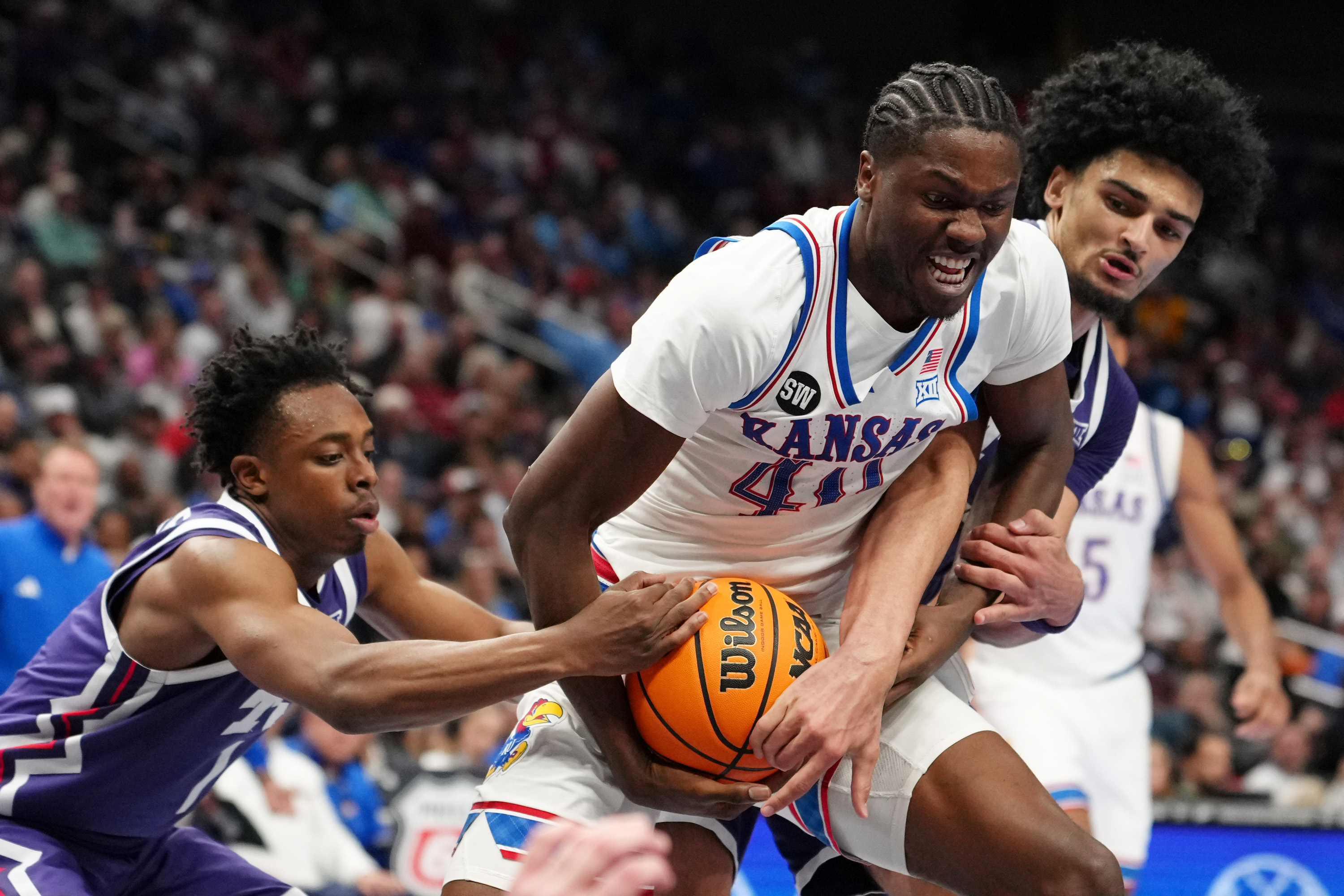
Flory Bidunga, 6-foot-9 sophomore forward, Kansas
Bidunga is a raw but explosive athlete who could see his stock swing dramatically at the combine. Bidunga has been a high-motor rim protector and rebounder with elite vertical leap and timing. His offensive game remains limited to efficient interior finishes, but his defensive instincts and energy are undeniable.
Bidunga’s greatest assets are his explosiveness, shot-blocking and relentless motor. He has the physical tools to develop into a modern defensive anchor. The primary questions involve his offensive polish, footwork and ability to handle switches or stretch the floor. As a young prospect, he has lottery upside but currently projects in the late-first to second-round range.
If Bidunga has a big week in Chicago, should he consider going to the pros early instead of going to Louisville?
Meet your guide