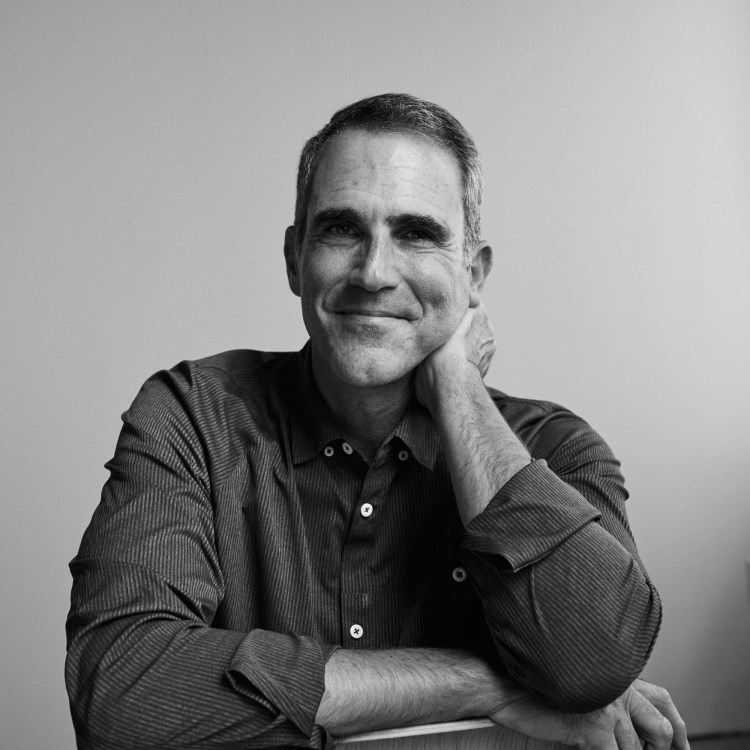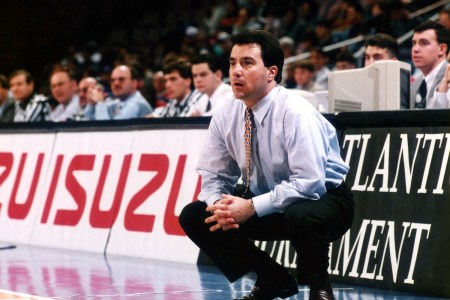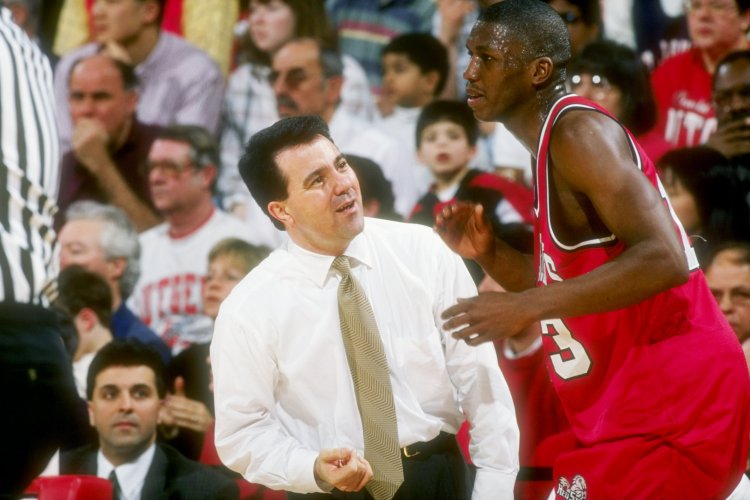

Fran Fraschilla joined Seth and Andy on The Hoops HQ Show. Stream the full episode on YouTube or live on the Fubo Sports Network.
Seth Davis: Hello everybody, and welcome to another episode of the Hoops HQ Show. Seth Davis along with Andy Katz, back with you. Today, we welcome Fran Fraschilla — a fantastic former head coach from a previous life at Manhattan College, St. John’s and New Mexico, and for the last couple of decades, outstanding work with ESPN. We’re just three guys who love ball, love talking hoops and have a lot of history, a lot of water under the bridge.
Fran, I know you love this: you’re now a published author. Yes, indeed. He has written a book about not just his life and his career, but his philosophy on life and how that’s evolved over the years. The book is called Don’t Mess With Happy, and it chronicles Fran’s life growing up in New York City, his path in basketball coaching and broadcasting and all the decisions about staying in broadcasting or going back to coaching. I am one of the many, many people who have had the pleasure of reading this book cover to cover. Fran, you did a great job.
I don’t envy the whole book tour thing. I know you’ve got to go out there and talk about it, but there’s a lot of great karma in that, as we discussed when we were together in Kansas City.
The first question everybody asks — and I’m going to ask the same thing, because they always ask me — why write this book?
Fraschilla: You know, Seth, when you’ve been in something a long time — whether it’s politics, business, sports, basketball in my case — you create so many stories in your head: things that have happened to you, lessons, good things, bad things. In my case, I’m one of the unique people in the basketball world who had 23 years as a college coach. That’s what I grew up wanting to be since the time I was 14. And then fate and circumstance — I had to retire from coaching because of health reasons: The Lobo fans got sick of me.
And so when I thought I would try TV for a couple of years and then go back to coaching, we moved to Dallas, my wife Meg’s hometown. I thought I would hang out there with the in-laws. Gradually, each year I was on TV — and Andy knows this well, because we were colleagues for such a long time — I decided not to mess with happy. It came to a head when I had a chance to go to Marquette with Tom Crean. I was 90 minutes from getting on a plane. I sent my books up there, my files. I wasn’t going to see the family for two months.
And I talked to my boss, Dan Steir, who Andy knows well. He didn’t try to convince me to stay in broadcasting. It was a casual, “Thank you very much, hey, you were pretty good at this” conversation. But when I hung up the phone — living in Highland Park in Dallas, where, for a kid from Brooklyn, I needed a visa to get in there. My kids were growing up there. It was my wife’s hometown. We were watching Matthew Stafford as a high school sophomore, Clayton Kershaw. I said, “Don’t mess with happy.”
The genesis of that — I tried to go back in time and find out who actually said it first, because it’s usually associated with Jimmy V. But actually, Al McGuire was the first guy I could discover who said it. And we all remember the legacy of Al McGuire. That’s something he would have said.
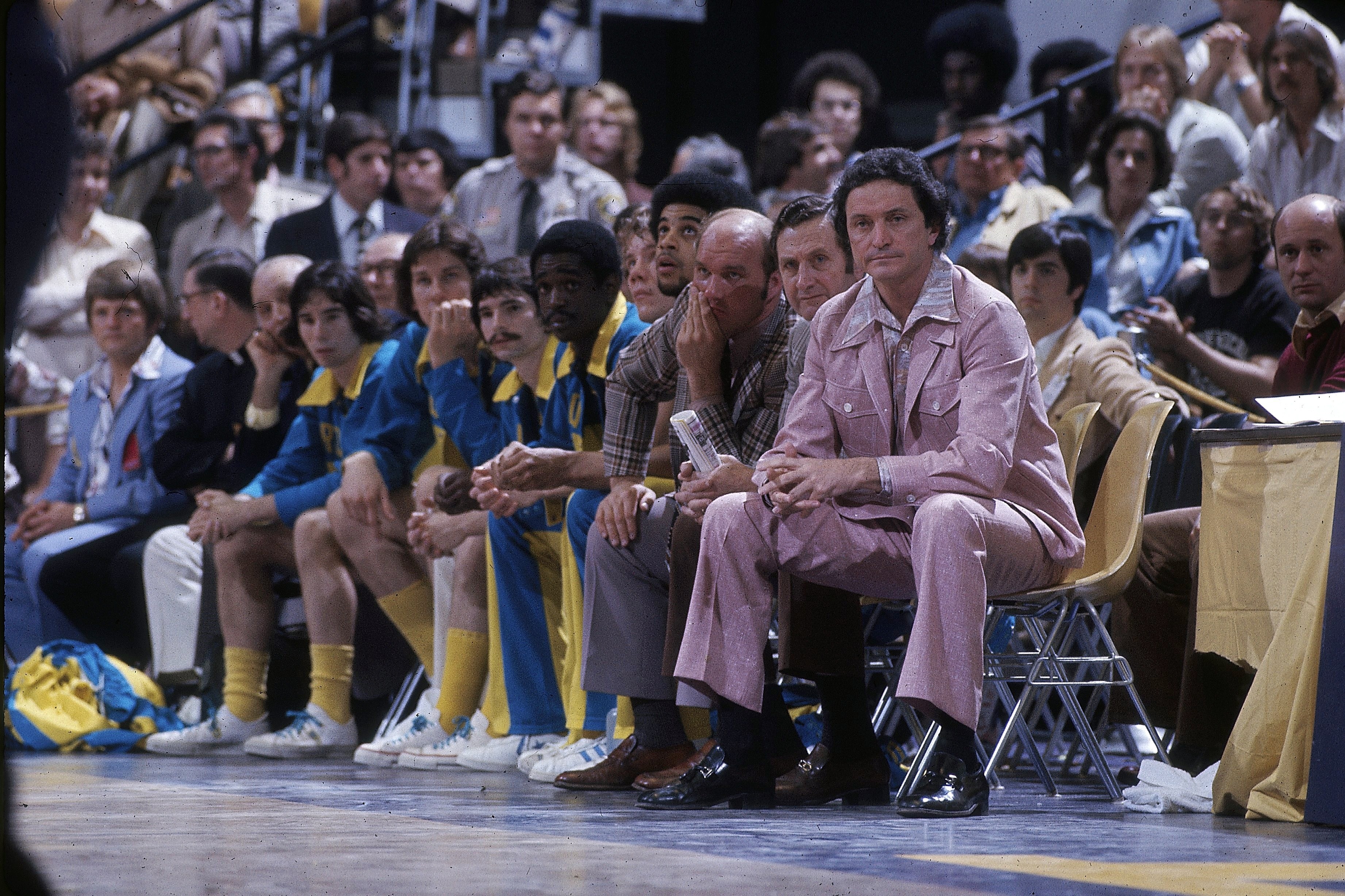
Seth: You were a very good coach, and you’re a great broadcaster. I’ve said this to you before, and I’ll just say it publicly right now: It’s an unbelievable compliment to you as a dad that your two boys wanted to go into your profession. We all know Meg’s the MVP — no one’s getting this twisted. There’s a special place in heaven for coaches’ wives. But they’ve been around you and your family and your wife for a very long time. It’s a great reflection on you as a dad. You’re not going to say it, so I’m going to say it.
I want to pivot to what’s happening in college hoops right now, but let’s put the book to bed first — there are some unbelievable stories in there. You were blessed, like a lot of people who go on to do great things, with some amazing mentors. I don’t want to spend too much time on this, but the three names you touched on in the book are Danny Nee — you were his assistant at Ohio — Gary Williams — you were his assistant at Ohio State — and Rick Barnes — you were his assistant at Providence, before he mellowed. People might look at Rick Barnes right now as this kindly old man. He was not back in the day. Those are three lunatics that you worked for. Obviously brilliant coaches, but those guys had very, very volatile personalities.
What was the impact of those three coaches on you?
Fraschilla: Well, I was a little volatile. I was Type-A when I became a head coach. Dave Gavitt had to have some talking-tos with Rick Barnes and our staff. There’s no question about that.
Danny Nee was an ex-Marine who grew up in Brooklyn, New York. You know the stories — he played with Kareem in high school. Al McGuire’s first recruiting class. Flunks out, goes to Vietnam, gets wounded. Long story short, he’s a Digger Phelps assistant. Here’s the key: Danny Nee fired me five times, but he hired me six. He was such an incredible mentor, because the way the people at Parris Island trained him to be a Marine, he treated me the same way. He’s probably the biggest influence on my career, honestly.
Working for Gary Williams was a great coincidence, because Rick Barnes was the assistant, and I already knew Rick because of my Maryland connection with Billy Hahn and Joe Harrington. I loved working for Gary, but it was only two years. Then Herb Sendek goes to Kentucky, Gary’s going to Maryland, and I have a choice. I go to Providence with Rick, to the Big East. I’m back home in the Northeast. We’re going up against Lou Carnesecca, John Thompson, Jim Calhoun, Boeheim, you name it. We were just fighting for our lives, and that was an amazing experience. All three of those guys had a great influence on me.
But another guy who really helped me as a young coach — I met him when I was 19 years old, when we were counselors at Dean Smith’s basketball camp — was John Calipari. We’ve been friends for 48 years. Once I became a head coach, three years after he went to UMass, I was able to use him as a sounding board: “What should I do here? What did you do? What worked, what didn’t work?” There are so many of those kinds of people in my life, but the four I just mentioned have had a huge impact.
Andy: How hard is it to go from a school in the New York area that comes from a one-bid league to one of the high profile schools? You’ve got that pressure, you are local. That brings everyone out — all the AAU guys, everyone in the city.
Rather than coming from the outside, how hard was it to be one of the insiders when you make that St. John’s jump?
Fraschilla: Well, first of all, my friendship with Seth started because of St. John’s. If you remember, Seth, you were doing a story about some of the shenanigans that were going on before I got there, and you thought I was the coach. We started to talk and really developed a great relationship.
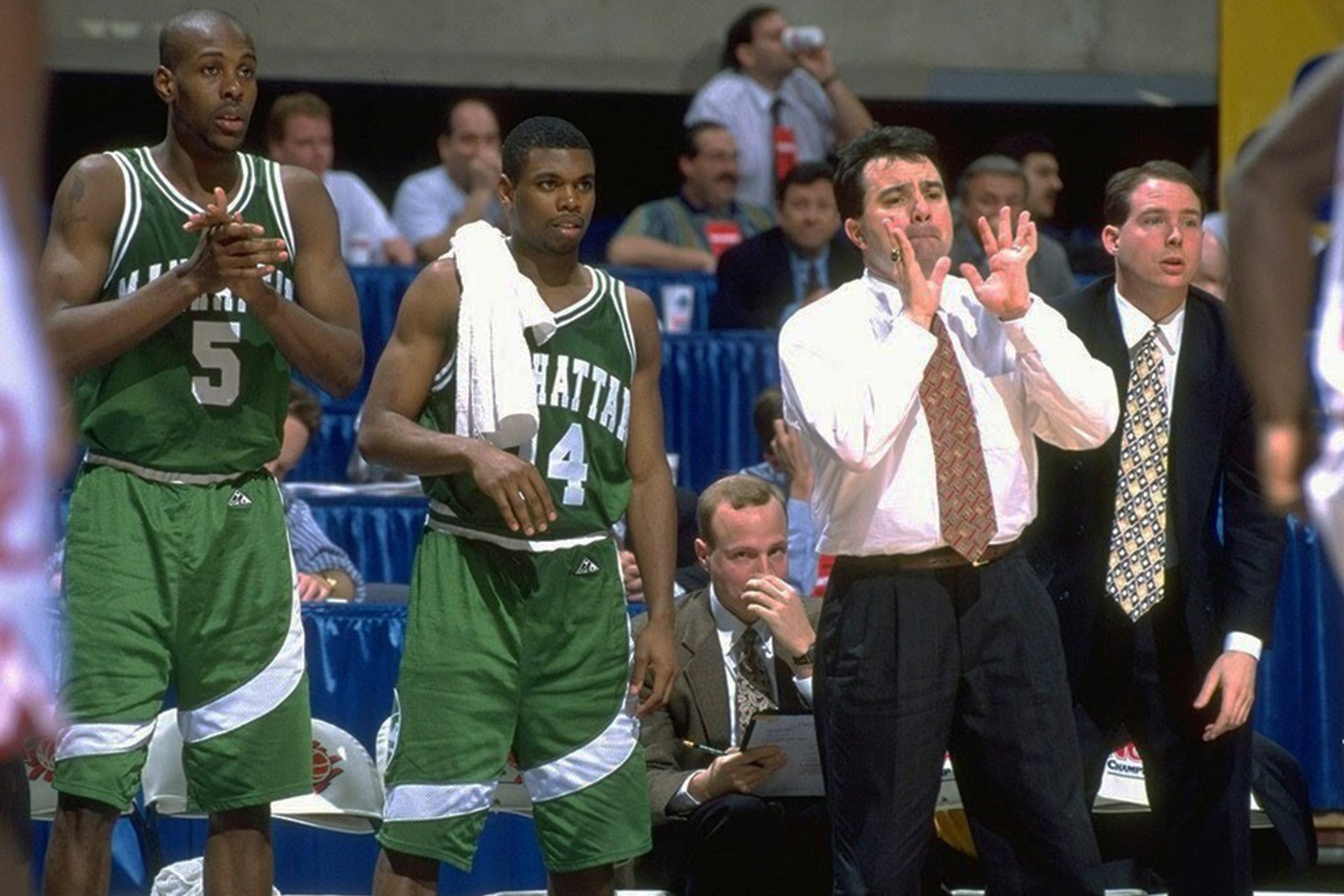
But it was easy. First of all, I didn’t ever want to coach in New York City. I spent eight years in the Midwest. I fell in love with the changing of the seasons and Ohio State football and Notre Dame and all that stuff. But I went to Manhattan and then had the opportunity to go to St. John’s — again, I was like the sixth choice, after Majerus, Calipari, et cetera. The New York media finally said, “Hire this guy. He’s the golden boy of Manhattan,” as you remember, Andy.
The great thing about going to St. John’s is I didn’t have a lot of pressure in that regard. I knew everybody already — all you guys, the high school coaches — because at Manhattan, instead of recruiting Riverside’s best player, you’re recruiting the fifth-best player. So by the time I got to St. John’s, it was like I got promoted within a big company.
Then, I write about this in the book: I get fired at St. John’s because I interviewed at Arizona State, and Dickie V, Sonny, Calipari — they’re all telling me to take the job. I thought I was doing what normal coaches do who have some success: play around a little bit, get the raise, get the extension. But I didn’t play for Coach K, I didn’t have a big-time agent. And so they thought they were being cute — Catholic school, priests ran everything.
I was really happy. Karma — Seth and I talk about karma all the time — (St. John’s) really never got it back until last year. My team the next year, with Mike Jarvis, went to the Elite Eight. I was recruiting some of the best players in the country as eighth graders and freshmen in the New York area. I don’t know if you’ve ever heard of Ben Gordon or Levance Fields, guys like that, or Chris Taft, who went to Pittsburgh. But they missed out.
It was kind of karma again, because the serendipity was I had to make a lifestyle change. I did go to New Mexico for three years, as you know, Andy. But when I got to TV and thought about going back to coaching — I had the opportunities. I was good. And so it’s worked out perfectly, which is why I’ve had two great careers.
Andy: Okay, a hypothetical:
If you were back with a program, how would you build the roster in this current climate?
Fraschilla: Nobody knows how to do it.
Andy: How would you do it? You’ve got a blank canvas, a Power Four job. How are you building a roster?
Fraschilla: Honestly, I just spent two days with Danny Sprinkle at (Washington) speaking at their clinic, and you only have to read the Matt Norlander article to see where they are. Danny Sprinkle is a hell of a coach, but he’s climbing Mount Everest right now because of the disparity in budget. So quite honestly, Andy, the first thing is if I got a job or was taking a job, I would ask the athletic director or the board of trustees, “Who are your big money people?” I know it sounds crazy, but you’d have to know that there’s some support for NIL at the moment, until we get federal legislation in January and Seth owes me steak.
Seth: Easiest bet I ever won — Fran’s betting on Congress.
Andy: You did not count on 78 votes in the Senate. But honestly, until there’s some sort of change in what we have at the moment, which is total chaos, the way to answer your question is to take a job where there is some financial support from boosters outside of the university. My wife went to SMU during the Pony Express era. She lived it. She worked in the football office, and she coined the phrase that’s now ubiquitous: “NIL — Now It’s Legal.” She lived that era, and it’s still going on, but now it is legal. Mike Repole at St. John’s — I mean, Pitino, if I had Mike Repole 25 years ago…
So the first thing is, what’s the financial support? The next thing I would say: The mistake I see being made by many schools, including great coaches, is bad evaluation of a player’s talent and even his background. They don’t do the work the NBA does on character and background. “OK, we’re going to give this kid $3 million to be our center in the SEC” — for example, Flory Bidunga. He’s a wonderful young man. I have no question about his background. But is he worth $5 million? I don’t know. That’s the thing that has to be judged. If I was back, I might even hire a couple of NBA guys, which some teams are doing, as people on my staff whose evaluations I know I can trust. They also know how to spend money the way they do in the NBA with a salary cap.
Seth: A couple of things there to jump on. First of all, I call it the money trap: I think having the most money, having a bottomless bucket of money, works against you in a lot of ways, because you’re not forced into those decisions.
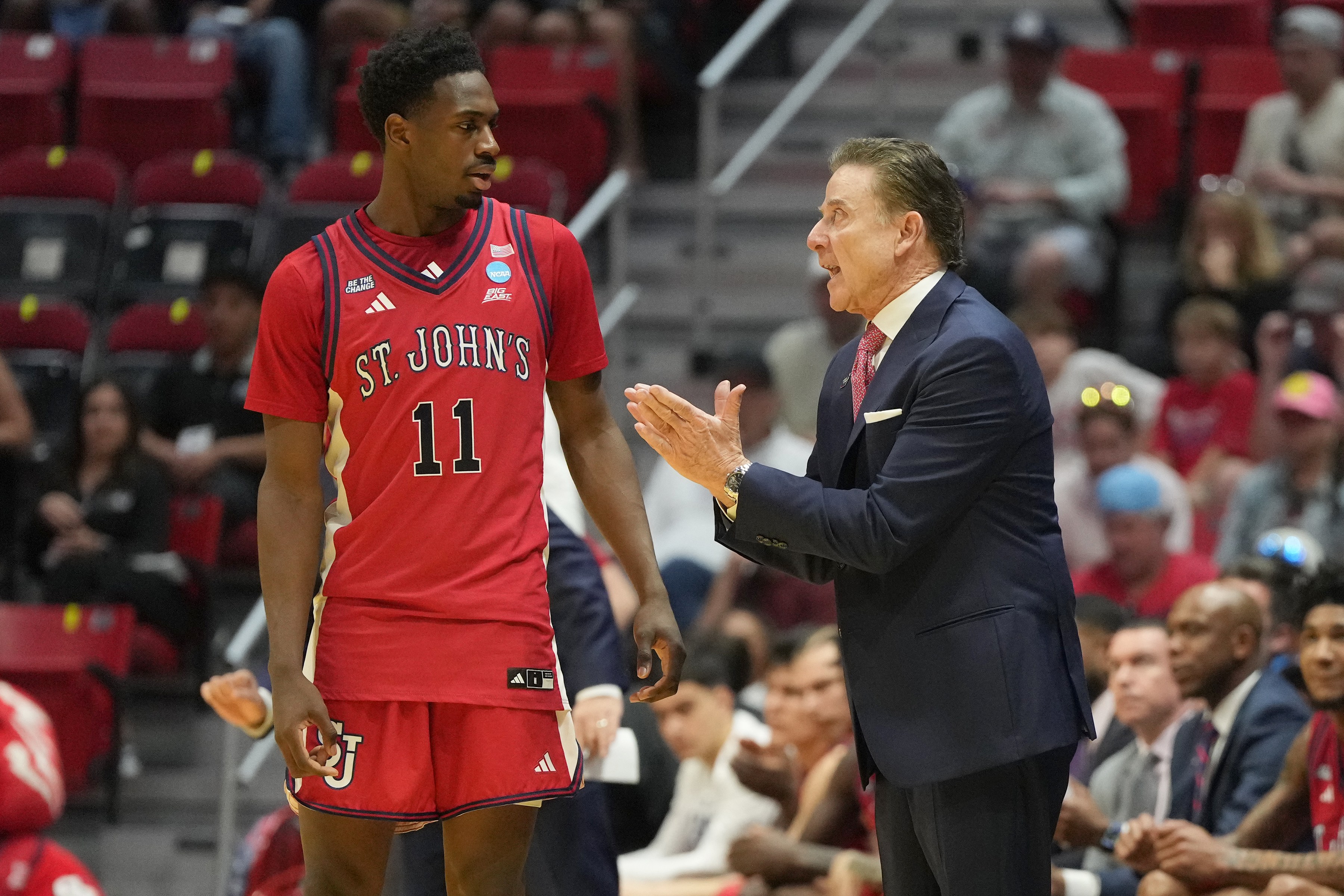
You talk about St. John’s — remember how they spent all this money last year on Ian Jackson? “Well, he’s going to be our point guard.” Well, guess what? He’s not a point guard. There’s a reason why he sat on the bench the last month of the season at North Carolina. And now they don’t have any other point guard. Why? Because you gave Jackson $3 million. What other point guard is going to want to come? If you didn’t have that money, maybe instead of giving one guy $3 million, you give three guys $1 million and they’re dogs.
By the way, $1 million is a lot of money, I don’t know if anyone knows that. But my point is you’re forced to make those decisions and protect your culture.
Fraschilla: Let me add to that, because you’ll find this fascinating. I watched TCU practice three weeks ago. They have a good team. They’re a tournament team — middle of the pack, tough as nails. They got five players for the price of paying David Punch, who left for Texas. I love David Punch. He had nine points in a game where they got blown out by St. John’s. He’s not a pro. He’s a good college player. And I love Sean Miller, and they probably have a bottomless money pit. But Jamie Dixon doesn’t have the same money. He got five good, solid players — nobody great, but five good, average Big 12 players — for the price of paying a guy who’s not a first-round pick.
As an aside, I was with Jay Wright the other night at the Hall of Fame induction in Kansas City, right after I saw you, Seth. I’m just telling you, Jay Wright’s living his best life. He’s been a longtime friend. We stayed up late — he and Tubby Smith and I. I was drinking Diet Coke Zeros. I don’t know what Jay was drinking, but he was in a good spot.
Seth: Not Coke Zero. People thought he was going to take the Knicks job.
Fraschilla: No, man, they have no clue. Because he said it: Don’t mess with happy. But here’s how it relates to Bill (Self): I think Bill is really close to the point where his number one occupation in the next year or two is going to be grandfather. His daughter’s children are in Dallas. I know he’s a competitor and he’s looking good. He’s getting healthy, although he just had a knee replacement, as you know, Seth.
I think he wants one more really good team to go out on. I’m not sure if it’s this team. And I’ve got to tell you, if anything happens in the court system with the three guys with eligibility questions — Trey Kaufman-Renn, Melvin Council Jr., Tre White — there’s a major issue there.
Bill would agree with this because he’s always so honest: They have not navigated the transfer portal the way they should have over the last four years, and they’ve ended up with teams that are not anywhere close to what he’s used to. Because he’s a friend, I’m hoping this is a great season. First of all, at ESPN we want Kansas to always be good, okay? But secondly, I hope it’s a great season, and then I hope he just says, “Hey, thank you, I’m going to go hang out, move to Dallas, be with the grandkids.” But yes, you’re right, a lot of that roster’s average. There is some hope. I saw some bright spots in the Duke game and the Louisville game. They’re a work in progress. And of course the court system is going to have a lot to do with how good their season can truly end up in March.
Seth: I know you’re a big NBA Draft guy. The general consensus and narrative, especially after what we’ve come through last year and the year before, is that this is a weaker class. I don’t know if it’s historically weak, but it’s considered weaker.
First of all, do you agree with that? And second, throw out some names of players our viewers should be watching this season who you think are going to hear their names called early next year.
Fraschilla: I think the weakness is that we’ve just had two or three generational talents in the last couple of drafts. To my mind, I think they all reclassified, maybe. Cooper (Flagg) did, Cam (Boozer) might have — AJ (Dybantsa), I’m not sure if AJ did. But those guys got so much hype in the grassroots high school world that we don’t see anybody like that this year — although Stokes is in that mix. Tyran played really well against Duke. I was impressed with him. He’s certainly in the mix for No. 1 pick. But I just think this is a year with a lot of mystery guys.
I’ve got to tell you, Patrick Ngongba is going in the top 10. People didn’t say much about him in these early mock drafts because of the injuries and everything, but that kid’s 6-foot-11, 7- foot, skilled, passes and can shoot the three.
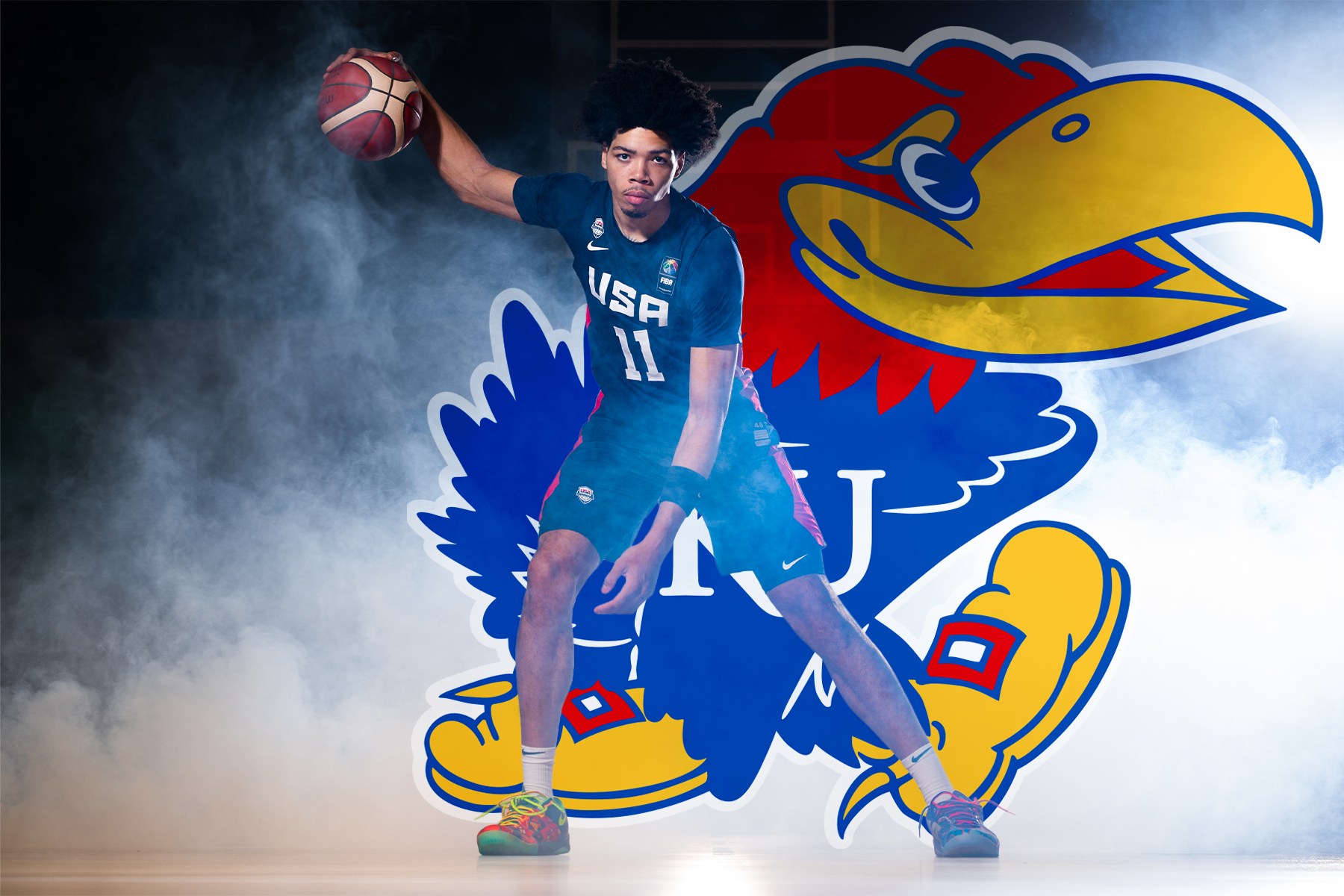
I’ll tell you the guy that jumped out at me: I watched the first four minutes of the Kansas-Louisville game in person the other night, and Obinna Ekezie Jr. — I said, “Oh my goodness. If he plays this well the rest of the night, this kid’s a top-five pick.” I don’t know if he will be, but I think I would take him top five. And guess what? He might play 20 minutes a game. But guess who didn’t play 21 minutes a game as a freshman? Jaren Jackson Jr. If you go back and think about that Michigan State team with Gavin Schilling, Miles Bridges, Xavier Tillman — we knew Jaren Jackson Jr. was really good, but we didn’t know how good. This kid reminds me of Jaren Jackson Jr. He’s got a little bit of Joel Embiid in him as well at the same stage. And by the way, he’s legitimately 7-foot-2, 240 pounds. It’s crazy to tell you this, Seth, but he actually could be the No. 1 pick.
Hoops HQ Shot Clock Challenge
Andy: All right, so what we do here at the end is the “shot clock” lightning round. We’re going 60 seconds.
The onus is on me to keep it to 60. Here we go: You’ve coached at a number of different schools, and they’ve all had different colors. What’s your favorite swag?
Fraschilla: Oh, honestly, Villanova swag. When my son was at Villanova, they got more gear than anybody. I’ve got so much Villanova gear in my closet, it’s unbelievable. I’d have to say Villanova swag.
Seth: What did you do with the rest of it?
Fraschilla: Well, my boys want me to put it in the Players’ Locker Room. You can actually sell gear, but no, I give it away. I keep sweatshirts for the summer. This is Italy right here — Italy basketball. But I have a ton of it in my basement. By the way, when you’re a head coach, you get a lot of swag. When you’re an assistant coach, you get very little swag.
Seth: Yeah, but when you’re in the media, you get a lot of swag. And we will wear anything or eat anything, as long as it’s free.
Andy: All right, I’ve got to keep going. You’re cutting into the 60. You’ve done the international draft for so long. Top five international draft picks since you’ve been doing it?
Fraschilla: Since I’ve done it? Oh my goodness, man. It’s not Montejūnas. It’s not Jan Veselý You know what? Here’s my favorite one: Bogdan Bogdanović. He’s had a long career in the NBA. I coached him when he was 16 at the Euro camp. Danilo Gallinari — he and I are really close. He would have been great if he didn’t get hurt in the NBA, and he still played like 15 years. Those two guys come to mind. Serge Ibaka, I coached as well. And Goran Dragić — I coached him. Those guys are my favorites from the NBA Draft.
Andy: I was on the broadcast with you when you said, “He’s two years away from being two years away.” Who were you talking about?
Fraschilla: Well, it’s Bruno Caboclo. I knew he was getting drafted. I knew he shouldn’t have gotten drafted where he got drafted. In the old days, when I was a young assistant coach, I’d go up and see a kid in Toledo, and my mentor Danny Nee would say, “How good is the big white kid?” I’d say, “Danny, he’s two years away from being two years away.” That meant he couldn’t play. That night, I ran out of nice things to say: “Brazilian Kevin Durant, top 50 high school recruit, he would have been a McDonald’s All-American…” I blurted it out. As soon as it came out, I wished I could grab it and take it back, because when I die or he dies, it’s going to be in the obituary.
Andy: All right, last two things for you, Fran. You’ve worked with a lot of different play-by-play people. This isn’t to disparage anyone who isn’t picked. Who’s your favorite play-by-play person you’ve sat next to?
Fraschilla: I’ve been with so many great ones, but let me just give you this: “You are looking live at downtown Kansas City, where tonight, the Big 12 Championship will take place. Hello, everybody, I’m Brent Musburger, alongside Fran Fraschilla.” Nobody’s better than the great Brent Musburger. All you’ve got to do, is look at the back of the book, because one of the blurbs is from the great Brent Musburger. Everybody else is an All-Star. Brent is a Hall of Famer.
Andy: Last thing for you, Fran. You can’t say Kansas. You can’t say Iowa State. Favorite place to broadcast?
Fraschilla: Well, surprisingly to many, I would say going to Lubbock, Texas, when they’re good, that is a crazy fan base. And if you come, I will take you to Evie Mae’s Barbecue, which to me is as good as there is. I will be doing a book signing there. And remember, Seth: dontmesswithhappy.com. How did I do?
Seth: Fran, it’s always a joy talking to you. The season has not officially started yet. We are going to have you back. I’m not inviting you; I’m ordering you to come back and chop it up with us. The three of us have known each other for a long time. Everybody who’s watching, go to Amazon.com, go to dontmesswithhappy.com. Most people who are interviewing you have not read the book. I’ve read the book cover to cover. If you like basketball, it is a great read, very well written. I know how hard it is to write a book, and I’m proud of you for getting it done. So thank you, Fran Fraschilla, for joining us. And thank you, Andy Katz, even though you’re terrible on the shot clock.
Meet your guides