
Seth and Andy interviewed Villanova coach Kevin Willard on a new installment of The Hoops HQ Show. Stream the full episode on YouTube, Spotify, Apple Podcasts or the Fubo Sports Network.
Seth Davis: Hello, everybody, and welcome back to another episode of The Hoops HQ Show. We are very pleased to be joined on today’s episode by the main man on the Main Line, Kevin Willard, entering his second season as the head coach of the Villanova Wildcats. Kevin, thanks so much for joining us.
This time a year ago, you were still scrambling to figure out what your roster was going to look like. You were in this new job, first time with Villanova.
Going into year two, what’s the biggest difference in how you’re approaching this season as opposed to last year?
Kevin Willard: Thanks for having me, guys. I think every year you’re at a job, you get a little bit more comfortable with what type of player is going to be successful, the culture. And going into this year, I think the staff and I did a really good job of rebuilding our roster with an understanding of where the Big East had moved to since I’d last been in it, and also what the culture of this place really is. It’s such an unbelievable culture that Jay built. Making sure that we stay within that and protect that is very important to us.
Andy Katz: So, Kevin, obviously we saw with the Nova Knicks three-, four-year guys that had great success at Villanova go on to great success in the NBA. That had been the blueprint. I know you also had that blueprint at various stops in your career. You’ve got a holdover in Tyler Perkins.
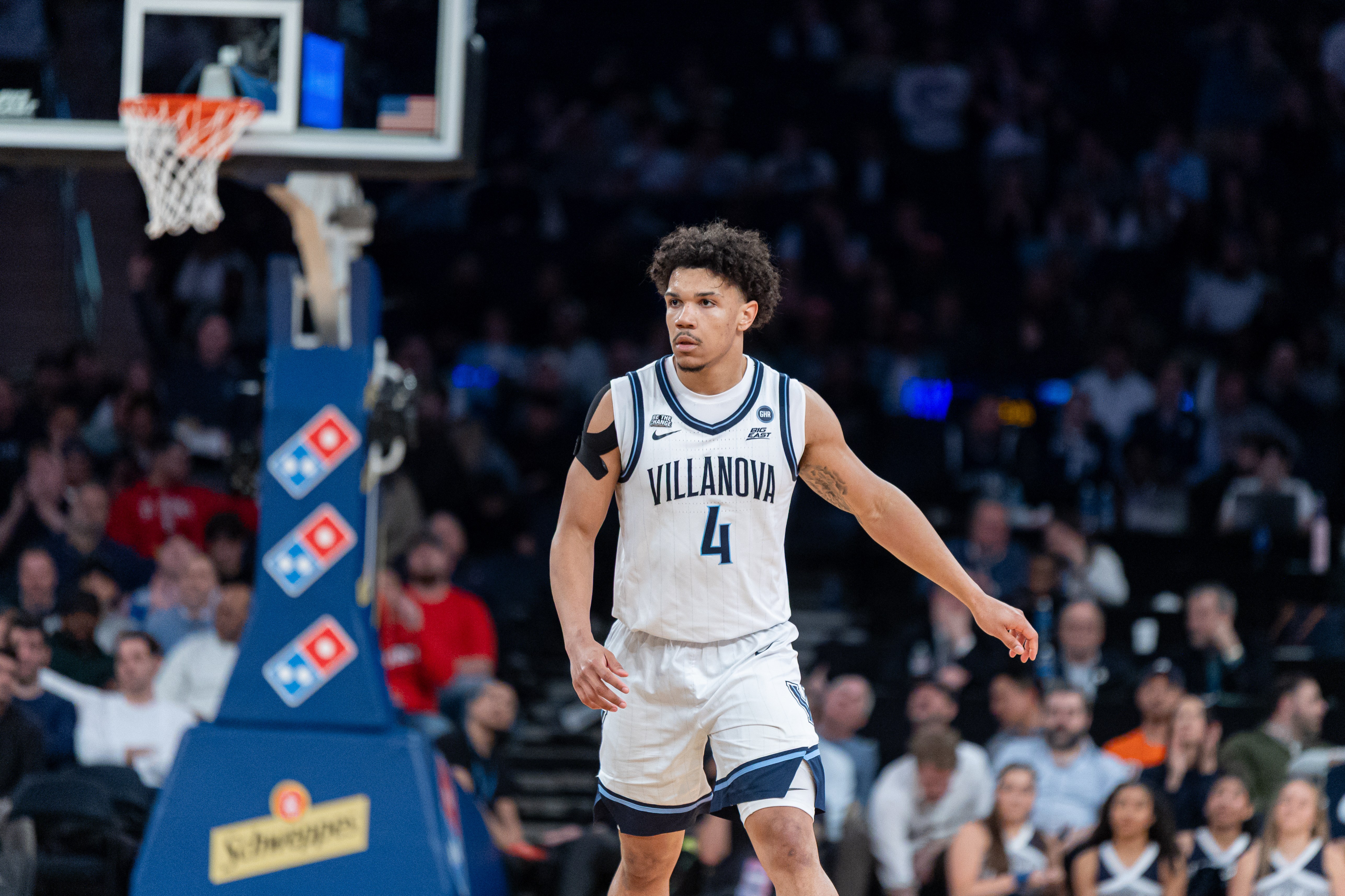
As you look at this on a macro level, how are you approaching recruiting to Villanova?
Getting the best players you can, but also making sure you get experienced, older guys and guys that have been in the program for more than a year.
Willard: I think the biggest thing, Andy, is the longer you’re at a place, the more retention you’ll get. Last year’s team, we were really young. They were fun to coach, they worked hard, they had a great attitude. But when you put a roster together within three weeks, it doesn’t mean you’re going to want to retain everyone you just put together. I think as I’m here longer and the staff’s here longer, retention gets easier. It gets a lot better. You start bringing in high school kids that you know are going to be able to play, and that you’re going to be able to retain, because you can’t bring a high school kid in unless you’re going to play him.
I said something at Big East Media Day — that we’re not recruiting a 2027 class — and I said that because I have 11 returning players that can come back because of the fifth-year rule. If you’re going to bring a freshman in, you owe it to that freshman to play him. If all of a sudden we bring back eight guys who are going to be seniors, it just wouldn’t be fair to any freshmen coming in. So I think the longer we’re here, the more retention we’ll have. After 12 months on the job, you’re not going to have one-hundred percent retention.
Andy: A follow-up:
With the new five-in-five, once it all settles out legally, what do you think the future will be of redshirting?
Willard: Well, there are no redshirts. That’s gone. As college coaches, I think you have to have a very, very honest discussion with the kids you’re recruiting. I have 11 guys that I can bring back. There’s no place where I can actually bring a freshman in and it would be fair to him if I don’t play him, because they can’t redshirt. If you don’t play a freshman, you’re going to hurt his NIL rights. They’re going to transfer anyway if they don’t play, and now he’s going to have worse NIL opportunities than if he went someplace and played.
So I look at it as a big responsibility. When you bring a freshman in, you have to play that kid, because if you don’t play him, you’re pretty much screwing him. Not only are you wasting a year that he has, but you’re diminishing the value that he can have on the market next year.
Each roster is going to be different. We’re recruiting the 2028 class heavy because when the five-in-five goes in and all my guys that get a fifth year go out, now we’re going to have opportunities for freshmen. And it’s a great opportunity for them. But everyone in college basketball has a huge responsibility: If you take a freshman, you better play him, because if not, you’re really hurting that young man.
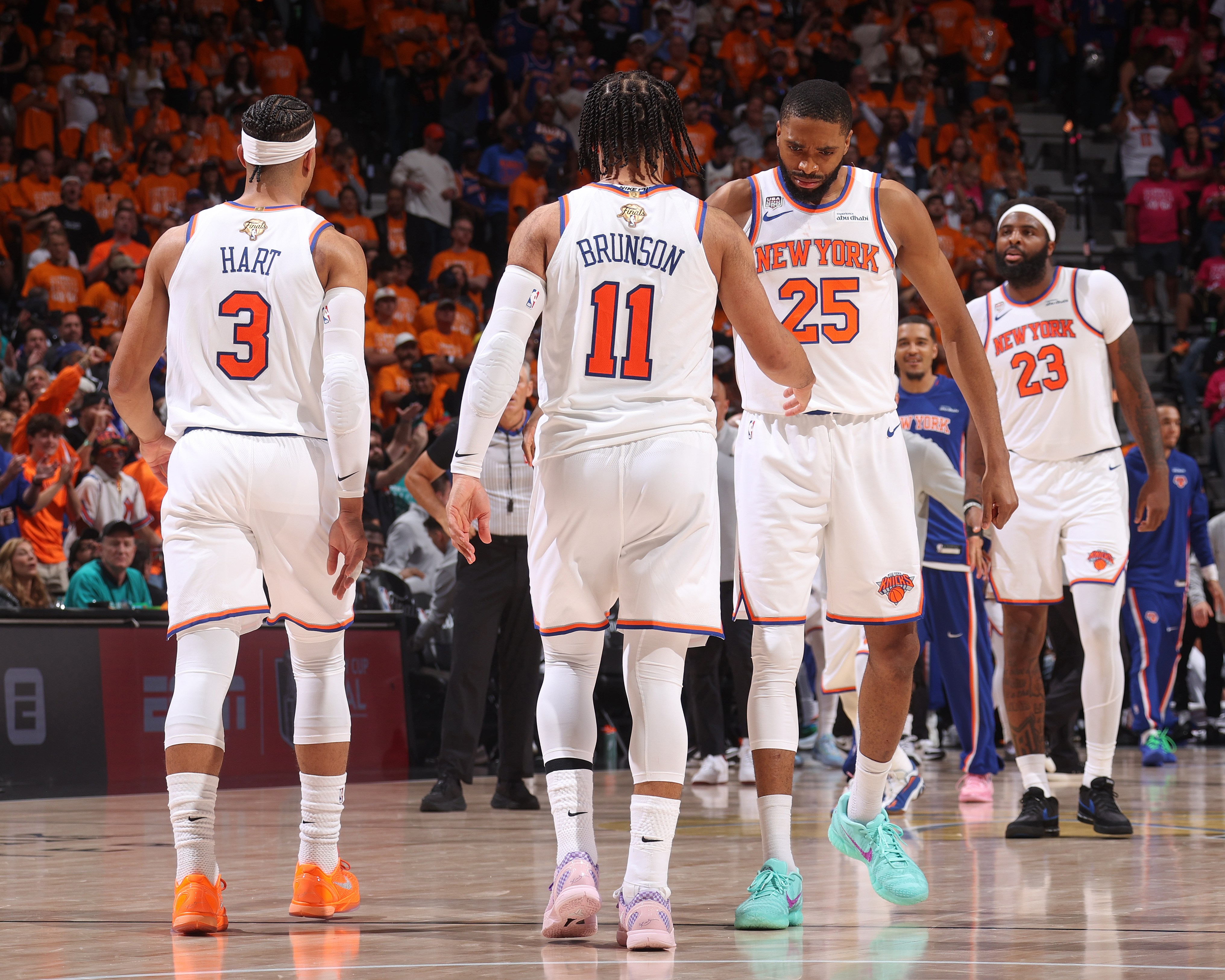
Seth: I would always add to that, Kevin — unless that player is OK with not playing as a freshman, right? In the old days, you might say, “Hey, you may have to develop.” I always go back to Jay Wright’s story about Mikal Bridges. He wasn’t going to recruit Mikal Bridges, but Bridges wanted to come to Villanova so badly, he was willing to say, “Okay, I’ll redshirt the first year and I’ll develop. Let’s put together a four- or five-year plan.” I know it’s unusual, if not almost unheard of, but I still think there are players who might be looking for that.
I want to draw you out on one more thing, because I think people are getting lost in this. Yes, it is harder for high school seniors because of the transfer portal and college sports getting older. Look, you may have to start off at a lower level and play your way up. But we are in a one-year anomaly, right? This is going to be the one time in, maybe the history of college sports, where the oldest class of players is not moving on. So those slots are not opening. I didn’t interpret your remark as saying you’re never going to recruit high school players. You’re saying for this one-year cycle, it doesn’t make sense at Villanova to recruit high school players.
Andy: Nuances.
Seth: Am I translating you properly?
Willard: Yeah, Seth. Like I said, you never know. Marquette might have eight juniors on the roster this year, and going into next year, he’s got all seniors. Maybe Shaka (Smart) doesn’t have to recruit — maybe he can’t recruit a freshman. I think everyone’s roster is going to be different every year, and I don’t think it’s just going to be this year. Someone might go out and bring in nine transfer portal kids who are all juniors, and the next year there’s not a spot for a freshman.
I think there are always going to be spots for freshmen. But you have a responsibility. First of all, if I give money to a freshman, that’s like telling my roster right now that I don’t want them back. My first responsibility is to the kids on my team. Why should I go out and give a spot to a freshman when I have 11 kids on my roster that can come back? If I bring a freshman in this year, I’m pretty much saying I don’t want the kids on my team back. That’s insanity. I would never do that.
So I think it’s going to fluctuate every year. We want to bring three or four freshmen in the 2028 class, so we’re recruiting that class heavy. It’s going to be very dependent on who you’re able to bring back. We just had a discussion with a recruit the other day: “Hey, what’s so bad about going to George Mason? Go play for Tony Skinn. He’s an unbelievable young coach. He’ll develop you, he’ll play you, you’ll get better. You’ll play your first year. And then if you want to go into the portal and go someplace else, you can.”
Kids can’t waste that year anymore, Seth. With Mikal or Donte DiVincenzo not playing — if you redshirt now, you’re taking away your top-end NIL value later in your career. You’re so much more valuable playing as a freshman, getting that experience, playing as a sophomore. And then the way the system’s set up, as a junior, a senior and — I don’t even know what we’re going to call the fifth year anymore. What do we call that? You guys can make up a name.
No, please don’t. But you’re going to have so much more value in your fifth year. So as much as I’d love to redshirt a freshman and see him as a redshirt freshman, I just don’t think it has enough value anymore in the new system.
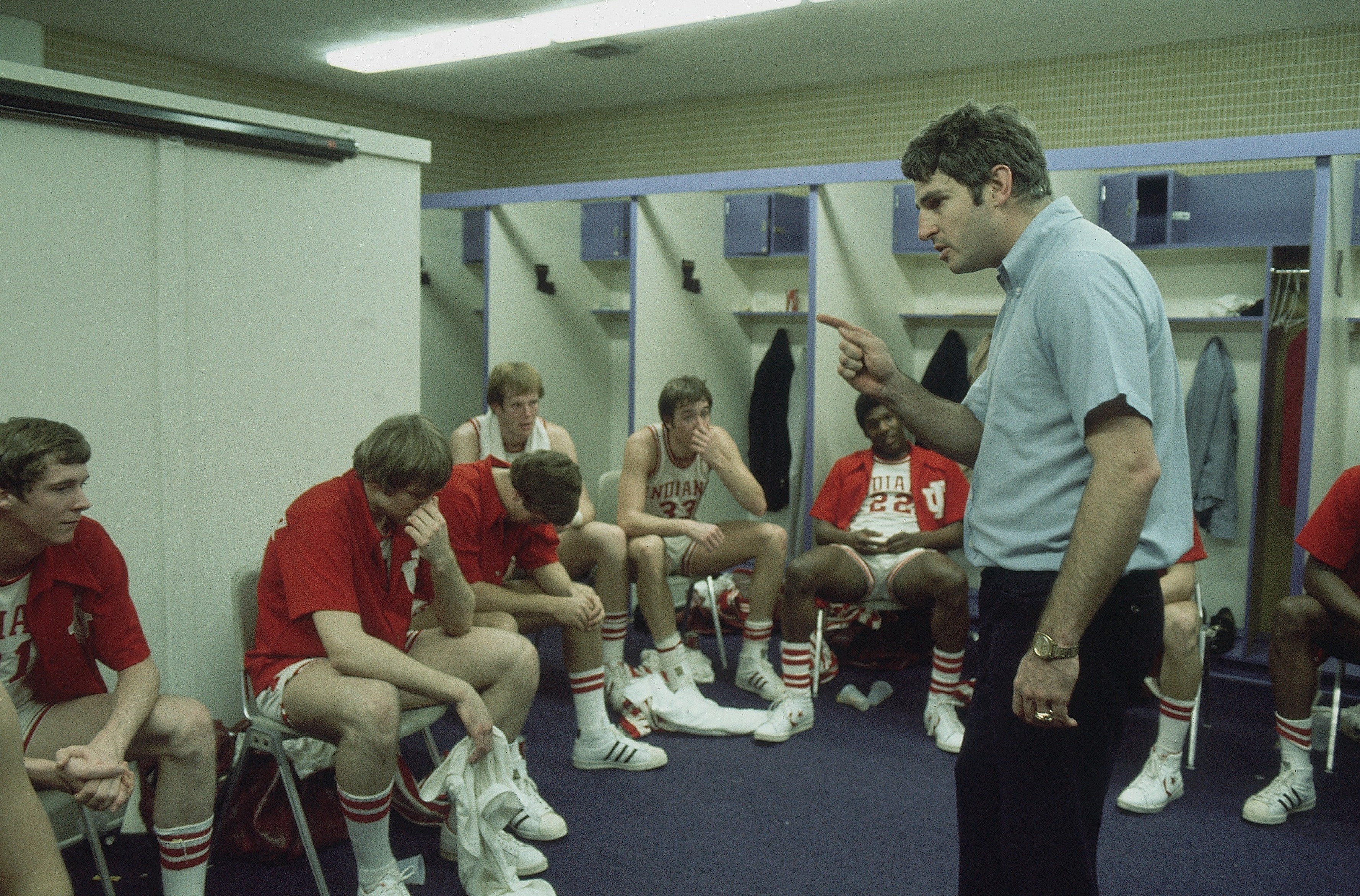
Andy: Hey Kevin, I know Tom Izzo and Rick Pitino are in their 70s, so they’re in that generation. But I’m always curious about your dad’s generation of coaches: Ralph Willard, (Bob) Knight, (Jud) Heathcote and those guys.
How do you think your dad would have handled this era?
Willard: You know, I don’t know. I feel like Coach Izzo is the one guy that’s really defending college basketball. We should probably make him the commissioner of the new college basketball, because I feel like he really understands the traditions, the values of college basketball, what it’s all about. Every time I hear him talk about the state of college basketball, I think he really defends what we should be doing as coaches.
How my dad would handle it — if they were my age, I think they would have just adjusted to it. But if they were in their late 70s… Look at Dana Altman. We just lost a great coach. Dana’s one of the best college coaches there’s been, and he didn’t have the energy, because this takes a lot of energy out of you now. You go through a whole season. April hits and the portal opens, and you’ve got April and May to figure out your roster and build a 13-man roster in two months, and you have to get it right. There’s a lot of pressure. We’re spending a lot of money that universities don’t have. So the added stress of saying, “Okay, wait a second, I’m asking my university for $10 million — am I getting every dollar right?” is a lot of stress. And then you have June and July to figure out your team and you start school in August.
I don’t think Coach Knight would have put up with it. I would actually like to see what Coach Knight would have thought of the rules. I think he might have had a Pat Kelsey moment on the court. I think he might have done something like that.
Andy: I’d love to see a player go in to Bob Knight and say, “You know what, I need a raise.”
Willard: Yeah, I think we could probably use a couple of those guys right about now to defend college basketball. I think Rick Pitino’s unbelievable. How he’s doing it at 74, at the level he’s doing it, with the energy he has, is unbelievable. Mick Cronin and I talk all the time. You won’t be seeing me at 74. I’ll be fishing somewhere.
Andy: And golfing.
Willard: And golfing. It’s just changed. Obviously the money’s great, but I really miss seeing someone like Sandro (Mamukelashvili) come in, play little minutes as a freshman, play some more minutes, and then turn into a guy signing a huge deal with the Lakers. I miss seeing that development and being with them on that journey the whole time. Now it’s much more like, how good can I get you in an eight-month period?
I still think my main responsibility is to get every one of my players better. I’m glad a couple of my guys transferred and got much more money. I did my job. Would I have loved to have some of those guys stay on my roster and be with me right now? Yes. But they got paid. So I did my job, and I’m happy for them.
Seth: That’s a great point, because I was going to ask you about that. We’re talking about Acaden Lewis and Bryce Lindsay. Bryce goes to Indiana, Acaden goes to Miami — a freshman and a sophomore last year. You could see that being the backcourt of the future for Villanova. You keep them two more years, and you’re talking about the ability to win big. So when I saw them go elsewhere, frankly, it made me concerned about Villanova, if I’m being honest.
It’s interesting, because when this whole House settlement came, I remember having these conversations with (Big East Commissioner) Val Ackerman. The thinking was, well, the Big East is going to be in a great position, and Villanova, maybe the best-resourced program in the Big East, is going to be in a great position because you guys don’t have football money to spend. The first dollar out the door is for basketball. Of course, no one is really paying attention to anything with regard to the House settlement, which is why we are where we are. But if I’m a Villanova fan and I say we’ve got this great young backcourt for the future and we can’t keep them, I’m going to be discouraged.
Are Villanova fans right to be a little bit concerned about that?
Willard: No. Again, this is where it’s so much different when you’re talking about money now. When you talk about retention and making sure you retain the right guys, you have to look at each spot on your roster, and we put values on it. There are dollar signs. We use data analytics. We track every shot they take all year long, every practice, every game. We know our guys. And then you have to make a decision based on that — not for the future, for that next year.
You’re looking at it like, “Well, in three years it would have been great.” You can’t look at it that way anymore. You don’t know what’s going to happen in three years. What happens if they get hurt? What happens if they don’t turn out to be great players? I think both of them are going to be great players. I love them both. But you have to make decisions.
We got rolled over by UConn, St. John’s, Michigan — we struggled mightily against them. And it was because they had gone to a model, which I think everyone’s going to, of a 7-foot-4, a 6-foot-11, a 6-foot-10, a 6-foot-5 and one guard. So now you’re sitting there saying, “Okay, am I going to spend an enormous amount of money on my backcourt that’s 6-foot and 6-foot-1, when the rest of college basketball, the data and the analytics say no?” You need to spend the money on the other side of your roster.
That’s the decision we had to make: If we put this much money on these spots, are we going to have enough money for when UConn rolls out Na’Jai Hines and a 6-foot-11 and a 6-foot-10? You have to look at all the data. You can’t just sit there and say, “Well, this kid’s going to be a great player.” If we retain these two and I can’t get bigger on the other end of our roster, we’re not going to win games.
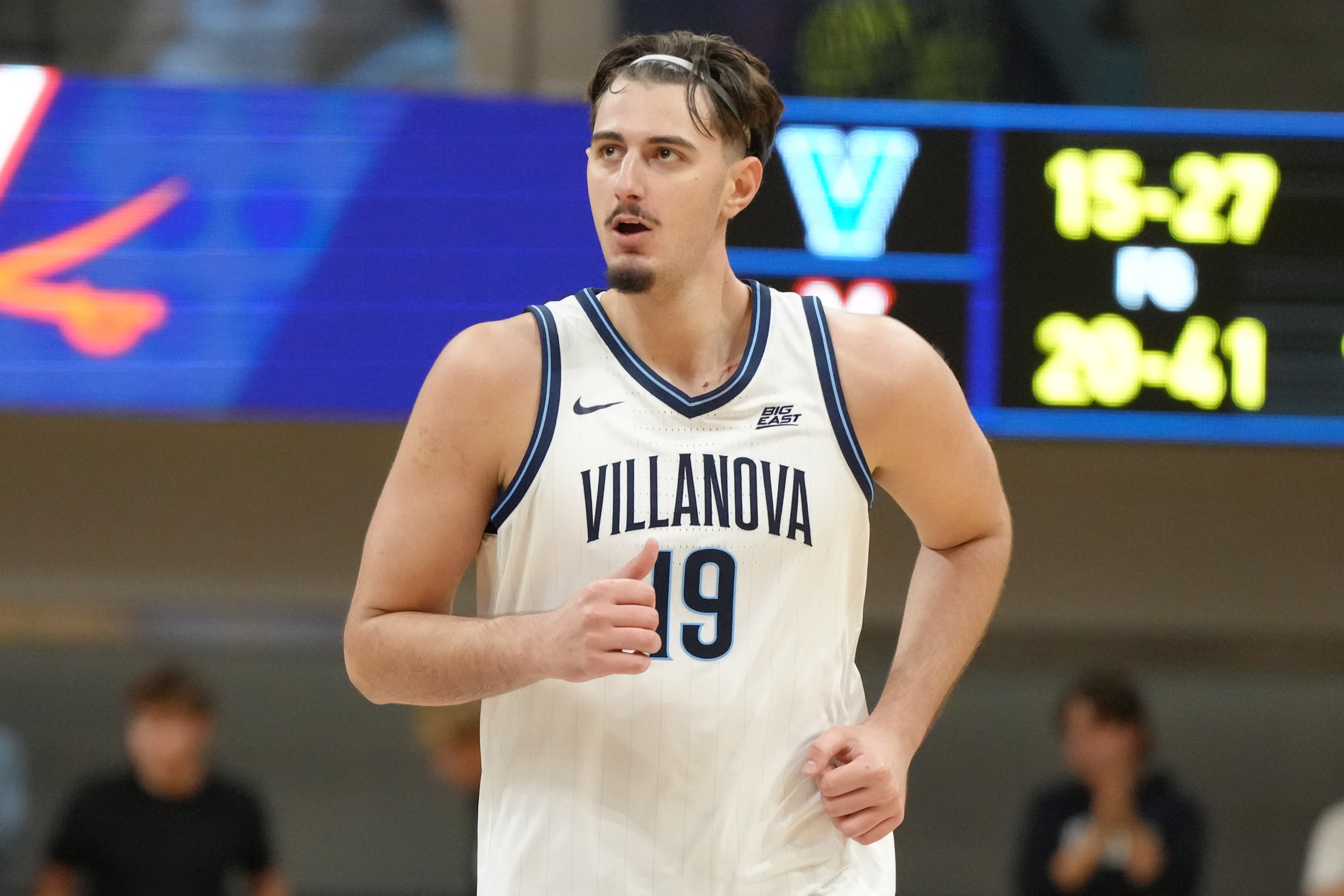
Andy: So let’s deal with that, and I think Villanova fans will have a short memory and get right on board. I know Kwame Evans Jr. did not play in your first exhibition against Rutgers, but obviously he’s got great size and length. Luigi Suigo, a big-time Italian talent. You’re bringing him home to Rome for the opener, but he plays 31 minutes in that first one, gets eight boards. You’ve got Nico (Onyekwere) coming off the bench. He’s another big body. So you’ve shifted a little.
Tell us how you feel about this frontcourt once everyone is on the floor.
Willard: That’s what we addressed first. We got KJ (Kwame), who’s played three years in the Big Ten, came from a winning program, was well coached, obviously, by Dana. I had seen him play, I had known him, I had recruited him when I first got to Maryland, so I knew KJ really well. Versatile — can play center, can play power forward, can play small forward. And then Devin Royal was at Ohio State. 6-foot-6, 220 pounds, can play the three, four and five, averaged almost a double-double in the Big Ten. Those two guys right away were really important.
We had kept Tyler Perkins, so we knew we were moving Tyler to the two. Now you could have Devin at the three or four, you have KJ at the three. So right away we matched up really well with bigger teams. And then we went out and got Jake Fiegen, who was a 41 percent three-point shooter, a big guard, a very good rebounder. So again, we went with much bigger size. And then we got Luigi, who’s 7-foot-3, 280. Even though he just turned 19, he played at a high level — I would call it club basketball — for his last three years.
That was our main focus, because look at Florida this year and their size. Even St. John’s is still big this year. We had to do what college basketball was going to do to be successful. If not — I just don’t know if small ball is going to work anymore in college basketball.
Seth: So interesting. I call it the Wemby-fication of the sport. I’m predicting that five, 10 years from now, there’s going to be nobody in the NBA shorter than 6-foot-9, because now every 6-foot-9, 7-foot or 7-foot-5 guy wants to play like Wemby and not like Hakeem Olajuwon.
Speaking of the season opener in Rome — Villanova, Notre Dame. We know that Pope Leo is having a bit of a medical issue. Hopefully he can be there, but he’s got some Villanova credentials. I don’t know if you’ve met him, or if you’ve hit him up for any NIL money, or whatever’s going on there.
What can you tell us about this event? Take us inside this process, because it’s coming up in a couple of weeks.
Willard: It’s going to be an amazing event for our fans. First and foremost, our prayers are with Pope Leo and him getting healthy. Nothing else really matters besides that. But this started with Jordan Bazant at Fox. He wanted to do something to kick off college basketball, and he was like, “Hey, you guys have the Pope in Rome. Let’s get Notre Dame or Boston College, get another Catholic school. Why don’t we go over there? We can drink wine, eat pasta, and we’ll play a basketball game.” And I was like, “I don’t know. That’s a long flight to play one game.” And he kept on — “It would be great, we’ll put it on Sunday, we’ll kick it off.” And then it made sense to me. I was like, “All right, this is great.”
So it started off just as a game: us and Notre Dame going over there and playing. And then, to the credit of Father Peter, my president here at Villanova, obviously knowing Pope Leo, and Notre Dame, they’ve turned this into an unbelievable experience — not only for the teams, but for everyone going over there — to have Mass in St. Peter’s Basilica. They’ve turned it into a really great event for both institutions.
I will remember this immediately. But my hope for the players is that when they’re 35 or 40 years old, they’re telling their kids, “Hey, I got to play a game in Rome, go to Mass at St. Peter’s Basilica, take a private tour of the Vatican.” That’s my goal: that this is something they will remember for their lifetime.
Andy: Absolutely love it. I’m a big believer in the (foreign tour) rule that got changed this summer, where you can go now every year, because I think these experiences are better for the players, to get life experience they may never get, in places they may never go. The more opportunities we can get for memorable moments in your life, the better.
Willard: Yeah, I still think we’re college basketball. That’s still part of our job, and I love the fact that both universities hopped on this and were so for it. I think it’s also great for our fans, because let’s face it, the fans and alumni have gotten screwed as much as anyone in all this transfer portal stuff and guys leaving. To give our fans a chance to go and be with our kids for three or four days in Rome and get to know them — how can we give back to our fans that have supported us, donated to us, been there, and at the same time have probably gotten screwed more than anybody? They’re like me — they’re looking at the roster, going, “Who’s this kid?” So I think it’s going to be great for our fans, too.
Seth: Kevin, last question. Give us a sense of where the Big East as a conference fits into this new paradigm in college sports. It feels like there’s more and more separation — financial separation — between the top four power conferences and everybody else. Now, in men’s basketball, we all consider the Big East a power conference. I’m still highly skeptical that the Protect College Sports Act, at least in its current incarnation, is ever going to become law, but that would kind of codify their advantage. And like I said, when all of this came down, there was some thinking that the Big East was very well positioned because you guys don’t have the spend of football. But you also don’t have the money of football.
Where does the Big East fit into what’s going to be happening in college sports over the next five, 10 years?
Willard: It’s a great question, and I’ll answer it three ways. First of all, the Big East: Villanova won in ’16 and ’18, UConn won in ’23 and ’24 and went back to the Final Four. So the Big East is as relevant in college basketball as any conference. We’ve won more than the Big Ten, the SEC. We are college basketball. Look at the demographics and the viewership of college basketball: The Northeast views college basketball more than any other place. So we’re extremely relevant, if not the most relevant, in college basketball.
Money-wise, we have as much money as anybody. I was at a Big Ten school. I’ve seen it. If you think the Power Four have money, you’re nuts. Maybe some schools do, but look at the finances of the bottom half of all the Power Four schools. They have no money. They don’t outspend us. We have plenty of money. The way I look at Villanova in the Big East is we’re going to spend what we need to be competitive and win a championship, but I’m not going to go spend $27 million. That’s insanity. The people that are doing that, they better win a championship.
We have a responsibility to our universities to make sure we’re doing what we’re financially supposed to be doing. Villanova has as much money as anyone, and we’ll spend as much money as we need to spend. But I’m also not going to ask Father Peter to raise tuition because I need to go out and get a power forward. I have a financial responsibility.
And third, I’m hoping in three to five years that college basketball’s over here, college football’s over here, and we can protect and save all the Olympic sports. Right now, the units we’re getting from the NCAA Tournament are a joke. The amount of money we’re getting is an absolute joke. It should be double or triple what we’re getting. And if we double or triple the units, then what we’re paying our players is fine.
I think college football is already going that way. I hope we can start a new college basketball league with our own rules, and if we do that, we can save the Olympic sports. Because Seth, if you think schools are spending $60 million on NIL and there’s not going to be a dramatic wave of cuts, I think everyone’s got their head in the sand. We need to make major changes in both sports — in what we spend on NIL, what we spend on everything — so that we make sure the Olympic sports, which are so important to universities, don’t get hurt.
The Hoops HQ Shot Clock Challenge
Seth: That’s definitely been a major thrust of the legislation in Congress. So listen, Kevin, thanks for being with us on the show. We are going to end with our new feature, and that’s called the Shot Clock Challenge. In college basketball, of course, it’s a 30-second shot clock. We’re very generous here at Hoops HQ. We’re giving you 60 seconds, okay?
Willard: Great.
Seth: I know you’re not usually a man of few words, but I’m going to ask you to answer these questions very quickly for the speed round. Think you can handle it?
Willard: I’ll try my best.
Seth: You’ve got your hands ready, right? On time and on target, as Fran Fraschilla likes to say. Okay, here we go. Favorite NBA player when you were a kid?
Willard: Larry Bird.
Seth: What’s your wife’s biggest complaint about you?
Willard: My hairline.
Seth: Best concert you’ve ever been to.
Willard: Pearl Jam at Jones Beach.
Seth: Who would play you in a movie?
Willard: Bruce Willis.
Seth: Person, living or dead, you’d most like to meet.
Willard: Abraham Lincoln.
Seth: Favorite basketball moment as a coach or player?
Willard: The 2016 Big East Championship.
Seth: Toughest player you’ve coached against.
Willard: Zach Edey.
Seth: Who’s winning the NBA title this year?
Willard: Knicks.
Seth: Favorite active NBA player.
Willard: Oof. Jalen Brunson.
Seth: Very good one. And DiVincenzo — don’t forget about him.
Willard: Josh Hart and Mikal Bridges. All three of them. All the guys.
Seth: What’s one NCAA you’d like to change?
Willard: I’d like to go to quarters instead of halves.
Seth: Finish this sentence: NIL is…
Willard: BS.
Seth: Coach you’d love to have played for?
Willard: Tom Izzo.
Seth: How many cups of coffee do you drink in a day?
Willard: Twelve.
Seth: Twelve?!
Willard: I got my beautiful mug with me at all times.
Seth: That explains a lot, goodness gracious. Maybe this is the same answer but: Once vice you’d like to give up?
Willard: Yeah, probably coffee. Actually, it would probably do me good.
Seth: Last question: LeBron or Michael?
Willard: Michael.
Meet your guides