Not much has changed atop NBA Draft boards with Darryn Peterson, Cam Boozer and AJ Dybantsa living up to the hype early. Changes have been made elsewhere on boards, with some prospects having surprise debuts or breakouts, and others disappointing scouts who expected a bigger leap in 2025-26.
We pinpointed five prospects who’ve clearly moved up boards since the start of the season, plus five others who are losing scouts’ support.
Rising
Kingston Flemings, Houston, 6-foot-4 freshman PG
Flemings’ rise feels like old news at this point, but its peak could keep going up. There’s something very convincing about the way he moves, gets to his spots and makes decisions. Flemings can clearly run offense — he’s receiving more ball screens than senior Milos Uzan. The freshman has burst off his first step, sharp footwork, a very comfortable midrange pull-up and touch around the basket. He’s spent an equal amount of time spotting up as he has working as a pick-and-roll ball-handler, a sign of backcourt versatility that the NBA often covets. The off-ball results have been promising so far, thanks to accurate catch-and-shoot results.
Louisville’s Mikel Brown Jr. operates with more flair and perimeter firepower, but Flemings has a chance to challenge him for PG1, with scouts likely to be drawn to his efficiency, interchangeability and maturity.
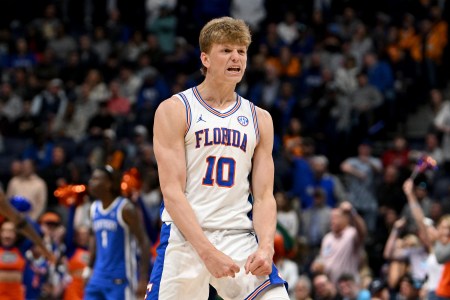
Thomas Haugh, Florida, 6-foot-9 junior SF/PF
Late outbursts last year hinted at a breakout junior campaign for Haugh. He’s delivered so far with validating performances against Duke (24 points, 9 of 15 field goals) and Arizona (27 points, 7 of 13). His minutes are up, and so is his shotmaking production and flashes of wing-like agility and athletic finishing. Most eye tests will buy his three-point stroke, and though not an exciting creator or ballhandler, he’s consistently finding ways to score by using his jets in transition, and his explosion, strength and competitiveness finishing plays off cuts. His projected fit and high floor figure to be selling points to NBA teams once the perceived high-upside prospects are off the board in June.

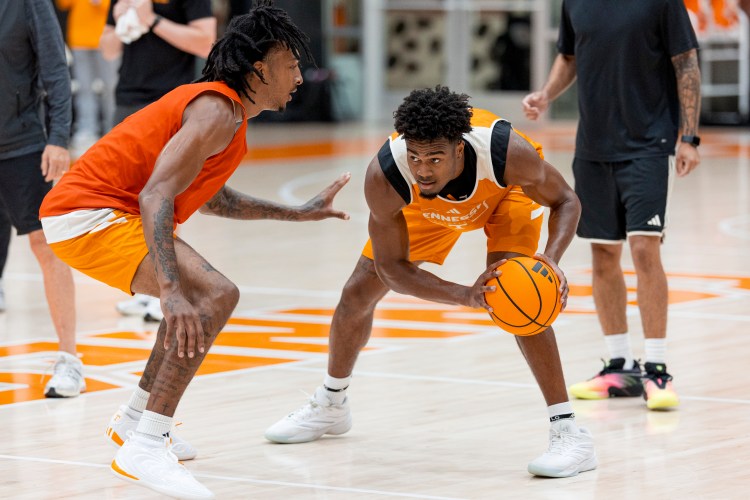
Cameron Carr, Baylor, 6-foot-5 sophomore SG/SF
Carr has been a clear riser with a coveted mix of athleticism and shotmaking that’s generating 23.0 points per game. After playing sparingly through two seasons with Tennessee, he suddenly has a green light at Baylor in ball-screen situations or releasing deep jumpers off spot-ups and screens. Scouts are going to see the elite explosiveness continuing to translate to transition scoring, easy finishing and defensive playmaking. And between the film going back to high school, the eye test on his release/elevation and the three-point production, Carr will have teams sold on his shooting skills carrying over.
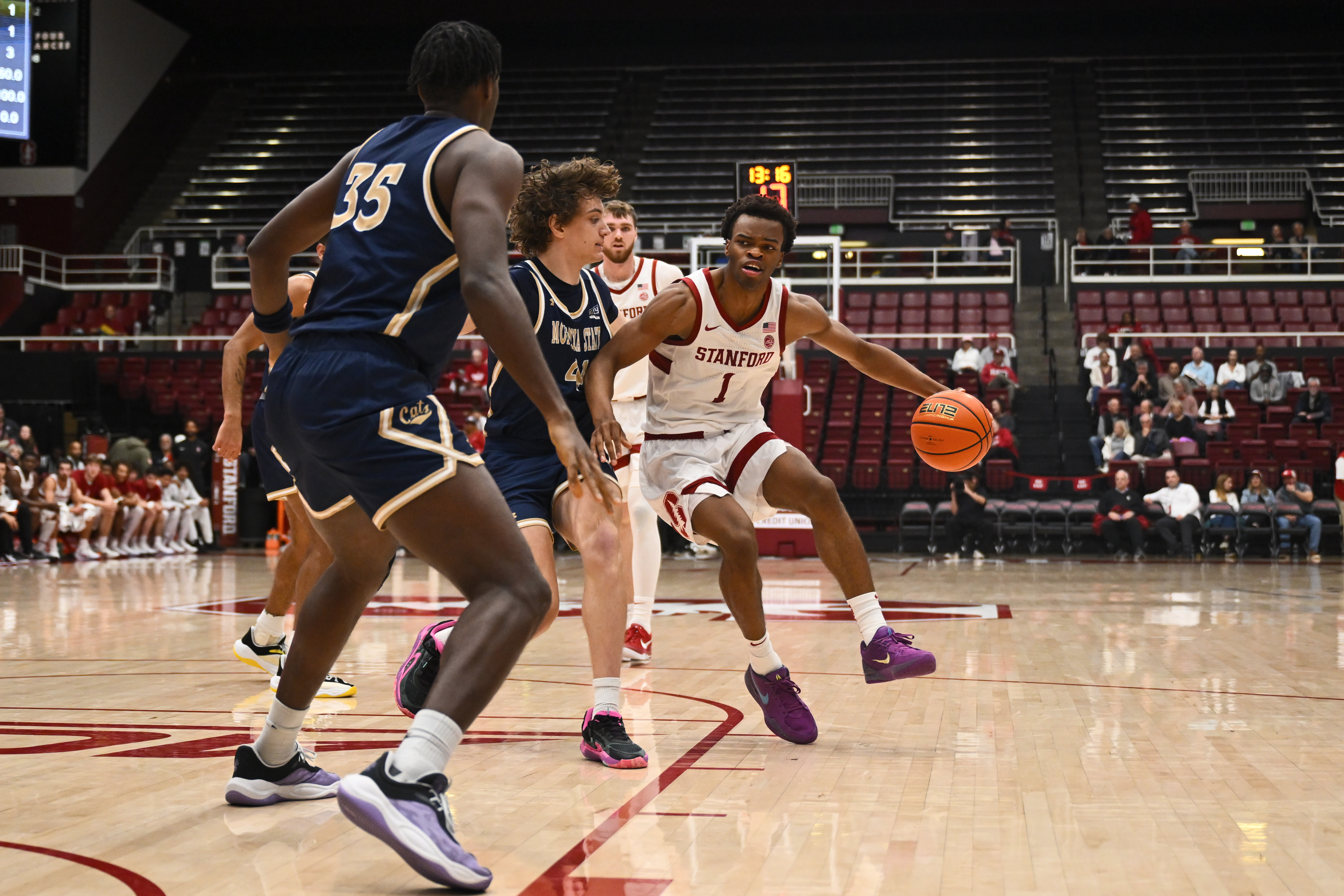
Ebuka Okorie, Stanford, 6-foot-2 freshman PG
Scouts are traveling to Stanford to see a freshman they didn’t know much about entering the season. His 21.4 points per game has their attention, though there is still some reluctance to buy into a 6-foot-2 ballhandler focused mostly on scoring. So far his finishing has been mixed with skilled layups and signs of easy-to-challenge, below-the-rim, low-percentage attempts.
He has looked dangerous shooting off the catch and dribble. And he’s ultra quick and shifty, splitting defenders and getting to spots. The appeal to Okorie is more for his ability to create opportunities and provide tough shotmaking. Whether scouts really start to take him seriously will come down to his ability to execute efficiently and show some playmaking promise.
Dailyn Swain, Texas, 6-foot-8 junior SF
Swain’s positional size and athleticism have earned attention since his freshman year at Xavier. It hadn’t translated to enough offense until now. More scoring has helped shine a light on his ballhandling and ability to use it in transition or for attacking ball screens. He’s also averaging more than 3.0 assists, and though it’s farfetched to suggest he’s a playmaker, Swain has shown he can move the ball and make basic passing leads that result in rhythm looks for teammates.
Falling
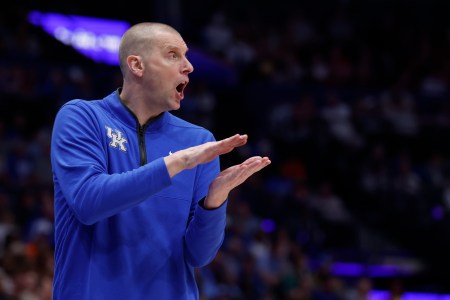
Kam Williams, Kentucky, 6-foot-8 sophomore SF
Williams was a popular breakout pick following his efficient freshman season at Tulane and the obvious draw of a 6-foot-8 shooter, but he hasn’t been involved much early on. He also hasn’t shot well from three, raising questions asking if last year was fluky or if this year’s limited role has made it tough for Williams to build rhythm. He’s somewhat limited elsewhere, so a lot of stock will be put into Williams being an above-average shooter. Kentucky needs more shotmaking, so he should eventually see his shots increase.
Cayden Boozer, Duke, 6-foot-4 freshman PG
Boozer has played to his strengths as a passer. He hasn’t been given enough on-ball opportunities to create or generate rhythm with regular ball-screen opportunities. The big question coming in was whether he can offer enough self-creation and shotmaking firepower to score at an NBA level. Boozer’s assist-to-turnover ratio and decision-making have been unsurprisingly sharp, but he’s converting fewer than two field goals per game, which makes it difficult for scouts to show confidence in his scoring skills.
Donovan Dent, UCLA, 6-foot-2 senior PG
Dent put up major production in the Mountain West, so to see him start so poorly at UCLA in the Big Ten has been discouraging. A calf injury cost him games, and it’s too early to suggest that last year’s numbers were inflated against weaker competition. But seniors have very little margin for error when it comes to selling NBA teams, and for a small guard who lacks athleticism and doesn’t take many threes, this year’s 1 of 11 start from deep has been discouraging.
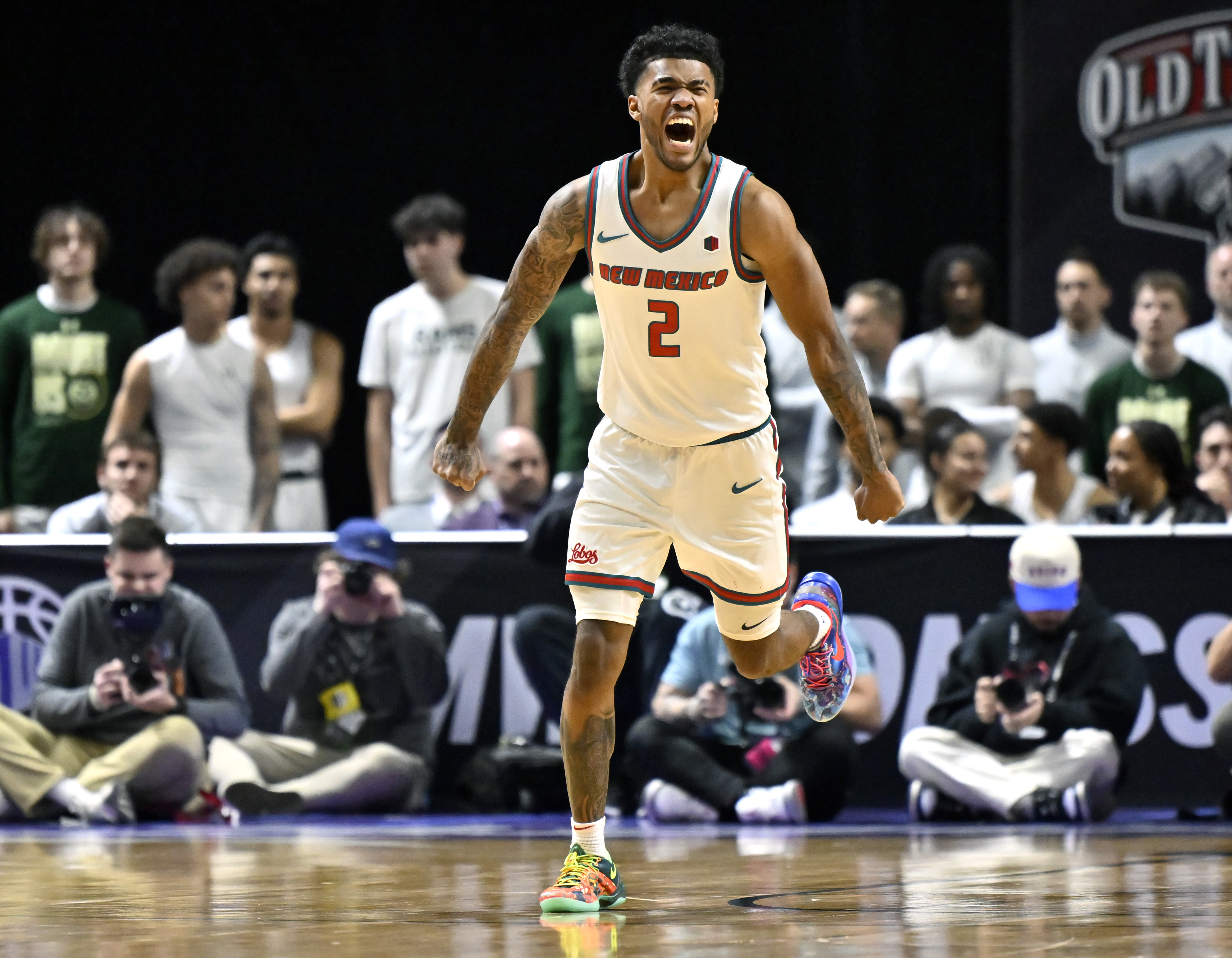
Karter Knox, Arkansas, 6-foot-6 sophomore SF
After attending last year’s NBA combine, Knox returned to college for a bigger role — but he came back to an Arkansas roster with three ballhandlers in Darius Acuff Jr., Meleek Thomas and DJ Wagner. Knox hasn’t been able to find any rhythm, relying mostly on needing to make catch-and-shoot threes or force drives in the halfcourt. While he has shot well from three early, so far he’s at 37.0 percent inside the arc, struggling to create quality looks or convert the challenged ones in traffic.
Meet your guide