By mid-May, most players have been pulled from the women’s transfer portal. With personnel moves few and far between and rosters mostly set, we now have the clearest picture of which teams won and lost in the offseason.
Hoops HQ has teamed up with our friends at the Portal Report to rank the winners and losers of the transfer portal, and to highlight the powerhouse newcomers of 2026-27.
Winners
1. Arizona State
After leading the Sun Devils to their first NCAA Tournament berth since 2019, coach Molly Miller has Arizona State ready to contend again in year two. The far and away winners of this year’s offseason added four Top-100 transfers, including All-Big Ten defender Rashunda Jones and MAC Player of the Year Madi Morson. They join one of the strongest retained cores in the nation, which features star forward McKinna Brackens and breakout junior Heloisa Carrera. ASU’s only significant transfer out is backup guard Jyah LoVett.
The Sun Devils will maintain last year’s defensive identity while adding perimeter threats to space the floor. Transfer guard Ayanna-Sarai Darrington, who led the MAC in field-goal accuracy last year (56.7 percent) will slot in nicely alongside Brackens and Carrera to complete one of the best preseason frontcourts in the Big 12.
2. Oklahoma State
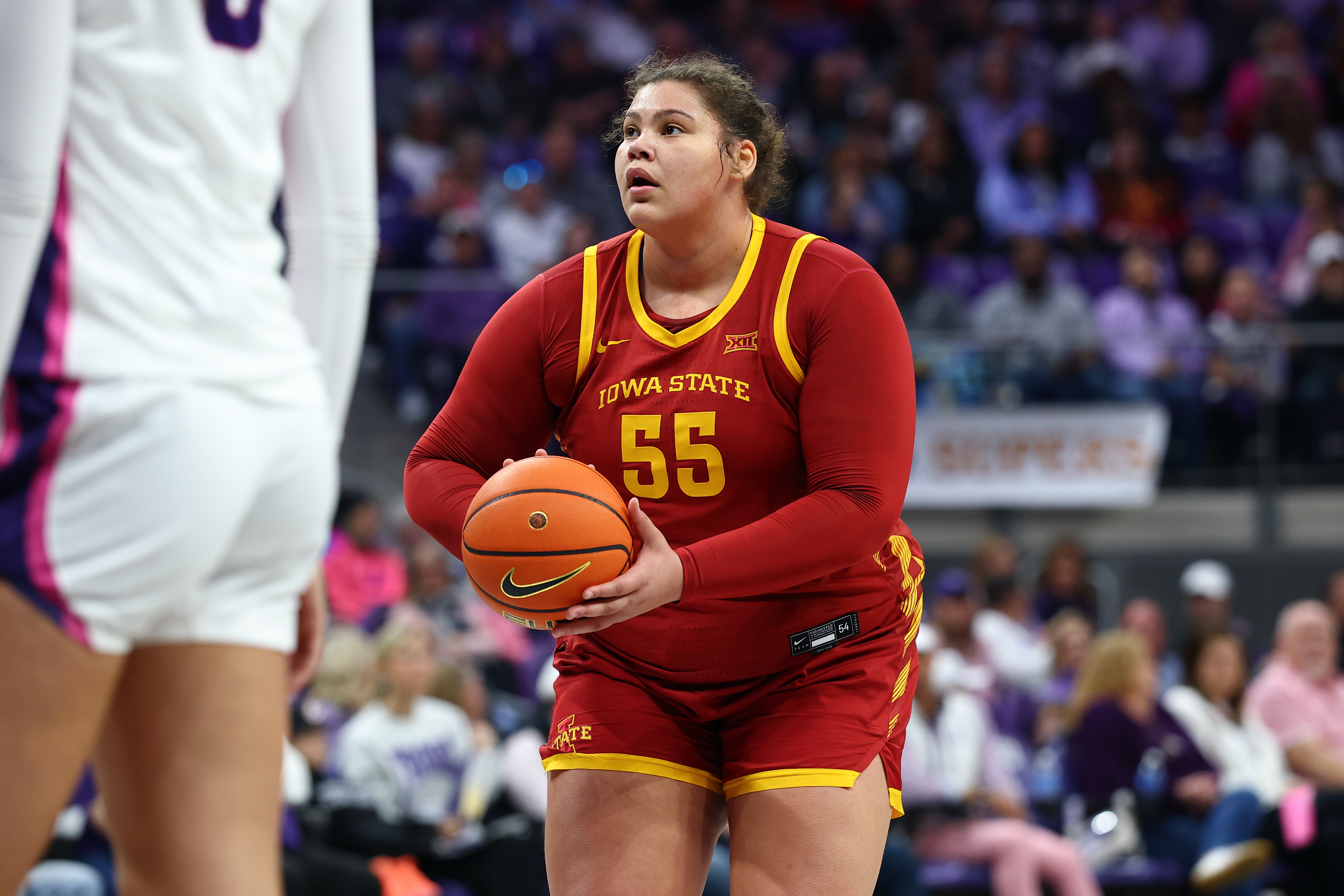
In contrast to ASU, Oklahoma State lost big in the offseason: Eight players, including four starters from last year’s NCAA Tournament team. Coach Jacie Hoyt’s rebuild began in returning starting guard Stailee Heard, but crescendoed as she pulled two of the top-10 players in the transfer portal: No. 6 Audi Crooks and No. 1 Liv McGill.
Crooks is a monster in the paint who ranked second in scoring last season (25.8 point per game) on 64.9-percent shooting. While she dominates the offensive glass, the Iowa State transfer is a defensive liability. Enter McGill, another volume scorer who averaged 22.5 points, 6.1 rebounds and 6.3 assists per game as a sophomore. In contrast to Crooks, McGill is a bona fide two-way player and will be able to win back possessions with stops and steals. The Florida transfer can space the floor and has a tendency to drop shallow, midrange offensive rebounds which Crooks can convert.
Hoyt’s star transfers are joined by key pickups including Lindenwood star Ellie Brueggemann, Rutgers forward Nene N’Diaye and Talexa Weeter, the most productive player in Division II last year.
3. Tennessee
When All-SEC guard Talaysia Cooper entered the transfer portal, Tennessee fell to the “losers” side of this list. To climb back up, Lady Vols coach Kim Caldwell needed a series of key commits to replace the eight potential returners lost in the aftermath of an unimpressive season. Last year’s team shot poorly from the arc, so Caldwell started with Liberty guard Avery Mills, a 42.7-percent three-point shooter. Next was All-Big Ten guard Kaylene Smikle, who dropped off the radar last year after a knee injury in December. Smikle is a two-way sharpshooter, who led Maryland in points (17.9) and steals (1.5) as a junior in 2024-25.
The pieces began to fall. Virginia freshman Harissoum Coulibaly; Northern Arizona flamethrower Naomi White; Georgia wing Zhen Craft. Finally, Caldwell added Fatmata Janneh, who logged a 17-point, 12-rebound double-double over Tennessee in February.
In losing last year’s core, Caldwell has built a rebranded Tennessee, loaded with the sharpshooting and perimeter defense last year’s team lacked. The reloaded Lady Vols already project higher than last year’s NCAA Tournament trainwreck.
4. Ole Miss
The same commit that knocked Tennessee onto the “losers” side of this list headlines the best Ole Miss haul in years: All-SEC guard Talaysia Cooper. Cooper led the Lady Vols in scoring, assists and steals as a junior and distributed to Rebels-bound Jaida Civil.
After a portal season in which she lost 10 players, coach Yolett McPhee-McCuinn had to reconstruct her frontcourt and opted to build around Doneelah Washington. Though untested at the high-major level, Washington was the face of Illinois State last season. The All-MVC sophomore led the Redbirds in points, rebounds, steals and blocks and played all-conference defense on her way to a Most Improved Player award. Her floor spacing and knack for defensive rebounding will be crucial for an offense-oriented Rebels roster.
Coach Yo also added Jada Richard and Maya Anderson, volume guards who will attempt to replace Sira Thienou, last year’s starting shooting guard. On the whole, Ole Miss looks keener, harsher and more accurate at range. The Rebels should rank toward the top of the preseason SEC polls.
5. North Carolina
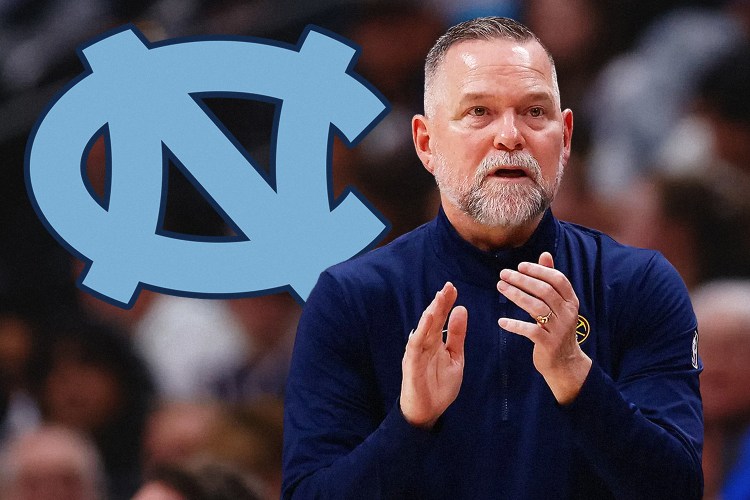
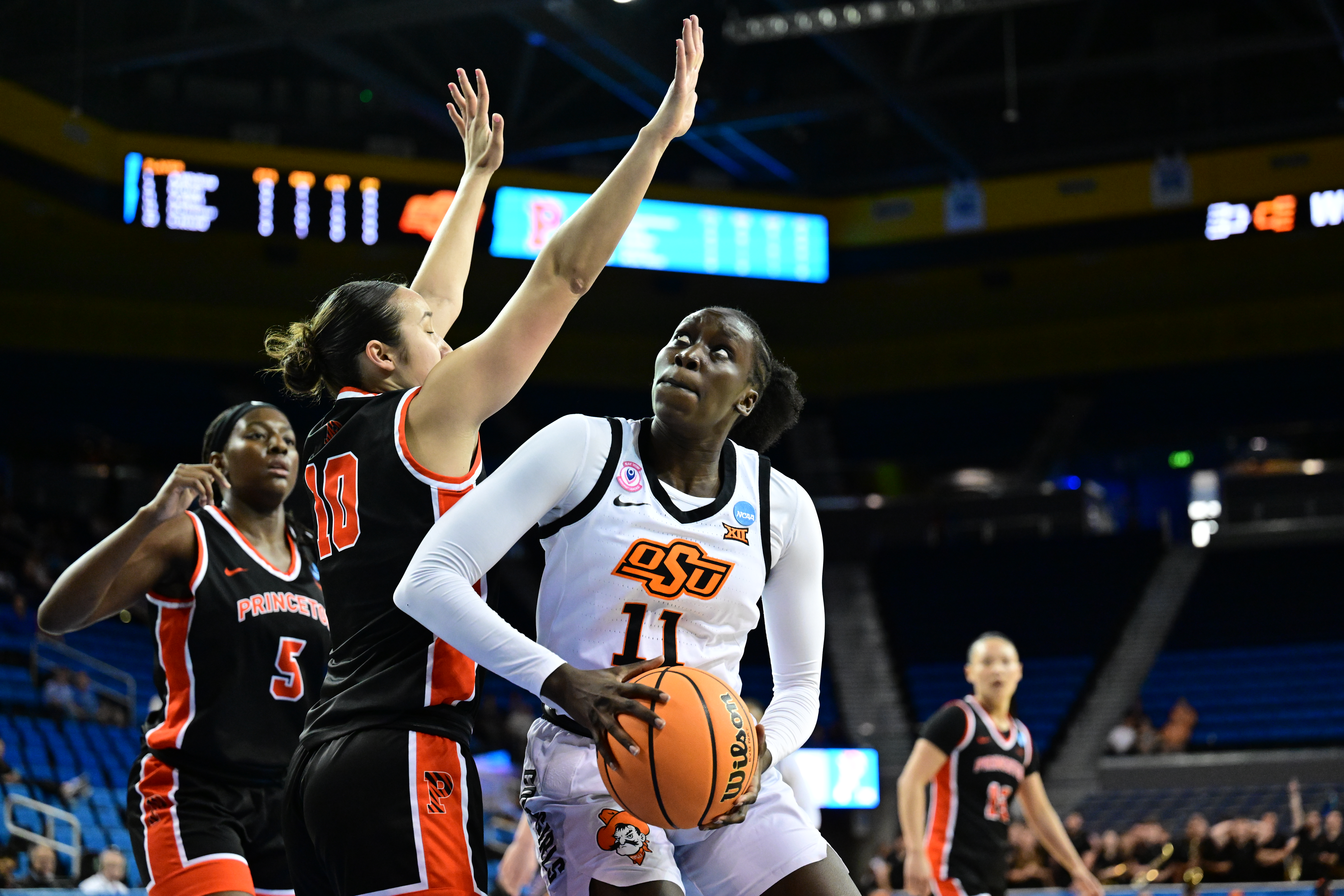
North Carolina got its guy this offseason: Achol Akot, who led Oklahoma State in blocks and rebounds as a junior. After a run to the Sweet Sixteen, coach Courtney Banhart plugged holes in the transfer portal, including transition defense from Sophie Burrows, bench scoring from Chloe Clardy and box-outs from Akot. Returns from Nyla Brooks and Cierra Toomey — UNC’s starting power forward — will ensure a return to the Tar Heel’s trademark defensive identity, and could help shepherd the team to a third consecutive Sweet Sixteen.
North Carolina is losing starters in sophomore guards Elina Aarnisalo and Lanie Grant, but otherwise remains intact.
Losers
1. Florida
Florida’s offseason followed a familiar trajectory: new coach, mass exodus, total rebuild. When Tammi Reiss made the move from Rhode Island in March, she knew she’d lose the heart of last year’s team. Included in that group were All-SEC guard Liv McGill, scoring wing Laila Reynolds, post threat Gift Ezekiel and eight others. By late April, Reiss had just one scholarship returner and pledged to build a contender in the portal.
The Florida team Reiss built is less complete, faster paced and more explosive. Headlined by Penn State transfer Kiyomi McMiller, who scored 21.6 points per game as a sophomore, their goal will be to score in transition and rain hellfire from the perimeter. Guards Jordan Jones and Vanessa Harris — who followed her coach from URI — will be integral in getting that done. It’s not quite last year’s team, but then, last year’s team didn’t qualify for the NCAA Tournament.
2. Penn State
When she took over in April, Penn State coach Tanisha Wright inherited the sorriest situation in basketball. Franchise faces Kiyomi McMiller and Gracie Merkle had split for the transfer portal in March, triggering a string of transfers which gutted Penn State’s roster. Since then, Wright has added a director of recruiting and picked up four key transfers. One of them, Ava Black, is a two-way freshman guard from Vanderbilt, selected to set the tone for the team’s future.
The other three transfers are plug-and-play veterans. Devyn Quigley is an athletic perimeter scorer with ACC experience. She’ll star in Penn State’s backcourt, alongside Enjulina Gonzalez, a veteran defensive guard from Georgia. Wright’s final high-major add is Cristen Carter, who will slot in for McMiller. Carter is a physical, rebounding big who will spearhead a lacking Lady Lions’ frontcourt. This team is capable of winning some games, but this promises to be a transitional year for Penn State.
3. Pitt
After she was hired in late March, new Pittsburgh coach Robin Harmony signed two assistant coaches. Then, she moved her College of Charleston guards — Jami Hill and twins Taylor and Taryn Barbot — to Pitt. By the time she attacked the transfer portal, it was clear that Harmony was building a project.
At Charleston, Harmony emphasized pace, transition offense and elite guard play. The former Tennessee point guard is one of the premier guard developers in women’s basketball, and spent most of her time in the transfer portal recruiting high upside, mid-major guards. Her haul included two NCJAA players, a Fordham freshman and Macie Arzner — Pitt’s sole returner. Harmony took a minimalist approach to her frontcourt and added Alancia Ramsey of Alabama — the most experienced player on her roster.
The Panthers will not be competitive this year, but they are loaded with potential — all 10 players Harmony added will have eligibility remaining in 2027-28.
4. Iowa State
Any roster with Audi Crooks is The Audi Show. The junior center is the most efficient player in college basketball, but also the most debilitating — her limited mobility means her team must play around her. When Crooks transferred in mid-April, Iowa State lost its identity. Nine Cyclones, including three starters, followed her into the portal.
In what looks to be a down year for the program, coach Bill Fennelly grabbed an eclectic mix of mid-major stars, veteran players and international talent. The biggest pickup was scoring guard Ashleigh Connor, who led La Salle in points and assists last season. Kent State guard Mya Babbitt and Florida center Gift Ezekiel — Crooks’ replacement — are great individual adds. Still, Iowa State appears directionless after losing its three-year franchise player.
5. Purdue
The rising quality of Big Ten play has outpaced Purdue. After back-to-back ignominious finishes, the Boilermakers lost most of their roster to the transfer portal this year, including star guard Tara Daye. Coach Katie Geralds was aggressive in the portal and assembled a perimeter-focused transfer class that runs smaller and quicker than last year’s.
Geralds’ key piece is UC Riverside guard Hannah Wickstrom, who led the Highlanders in points (23.5), rebounds (7.3) and steals (2.7) on her way to First-Team All Big West honors. She’ll be supported by Houston transfer Kyndall Hunter, a crafty shot maker with an ability to space the floor. Geralds’ approach to recruiting prioritized guard play, so Wickstrom and Hunter will lead a number of rotations featuring Averi Aaron (Louisiana Tech), Aysia Proctor (North Texas), Jelena Bulajic (USF) and more. Purdue will shake last year’s defensive identity to excel in transition and on the arc. They will be outclassed this season, but Geralds is setting the foundation for a team that will soon reclaim its place in the Big Ten.